
p>Are you looking for aneco-friendlyalternative to disposable cleaning products? This guide introduces you to theCrochet Reusable Swiffer Duster Pad, a practical solution for your cleaning needs. A reusable duster pad is a washable, handmade cover designed to fit your existing Swiffer Duster handle. Consequently, it helps you reduce waste while keeping your home sparkling clean.
Learning how to crochet thesepadsis simpler than you might think. This detailedpatternprovides step-by-step instructions. You will create your own effective dust-grabbing tools. Imagine effortlessly tacklingdustand allergens with a sustainable product. Furthermore, thesecrochetcreations are durable and highly effective. They are perfect for dailycleaningtasks.
Ready to make a positive impact on the environment and your budget? This guide will walk you through everything. You will learn from selecting the right materials to finishing your very ownreusableSwifferdustercover. Say goodbye to disposable options and embrace a more sustainable lifestyle. Let’s start crocheting for a cleaner home and a healthier planet!
Why Choose a Crochet Reusable Swiffer Duster Pad?
Choosing aCrochet Reusable Swiffer Duster Padoffers many benefits for your home and the planet. These pads significantly reduce waste. Consequently, they help you avoid constantly buying disposable alternatives. You can create them yourself with a simplediyapproach. Furthermore, making your own pads saves money in the long run. Thepatternis oftenfree, requiring only someyarnand a crochethook. Many crafters prefercottonyarnfor its absorbency and durability. You can also incorporatescrubbystitchesfor extra particulate-grabbing power. These pads work wonderfully on various surfaces, including yourfloor. They are a versatile alternative to a traditionalmop.
Meet the Crochet Duster Pad Trio: Wet, Dry, and Scrubber Options
can create three distinct types of crochet reusable Swiffer pad alternatives to suit all your household needs. Each variant offers unique benefits for different tasks. This trio ensures you have the right tool for every mess.
The Wet Option
The wet option is perfect for mopping up spills and tackling grime. It works similarly to a traditional wet mop. This type of reusable Swiffer cover is highly absorbent. Consequently, it locks in moisture and dirt effectively.
The Dry Option
Alternatively, the dry option excels at picking up loose particles and pet hair. It acts like a magnet for debris. This variant features a textured surface to grab fine particles from your floors and surfaces.
The Scrubber Option
The scrubber option provides extra power for stubborn spots. It incorporates specific yarn textures or stitches to enhance its abrasive qualities. This makes it ideal for tough, dried-on messes. You can explore variouscrochet patternsfor inspiration.
Materials You’ll Need for Your Crochet Swiffer Duster Pad
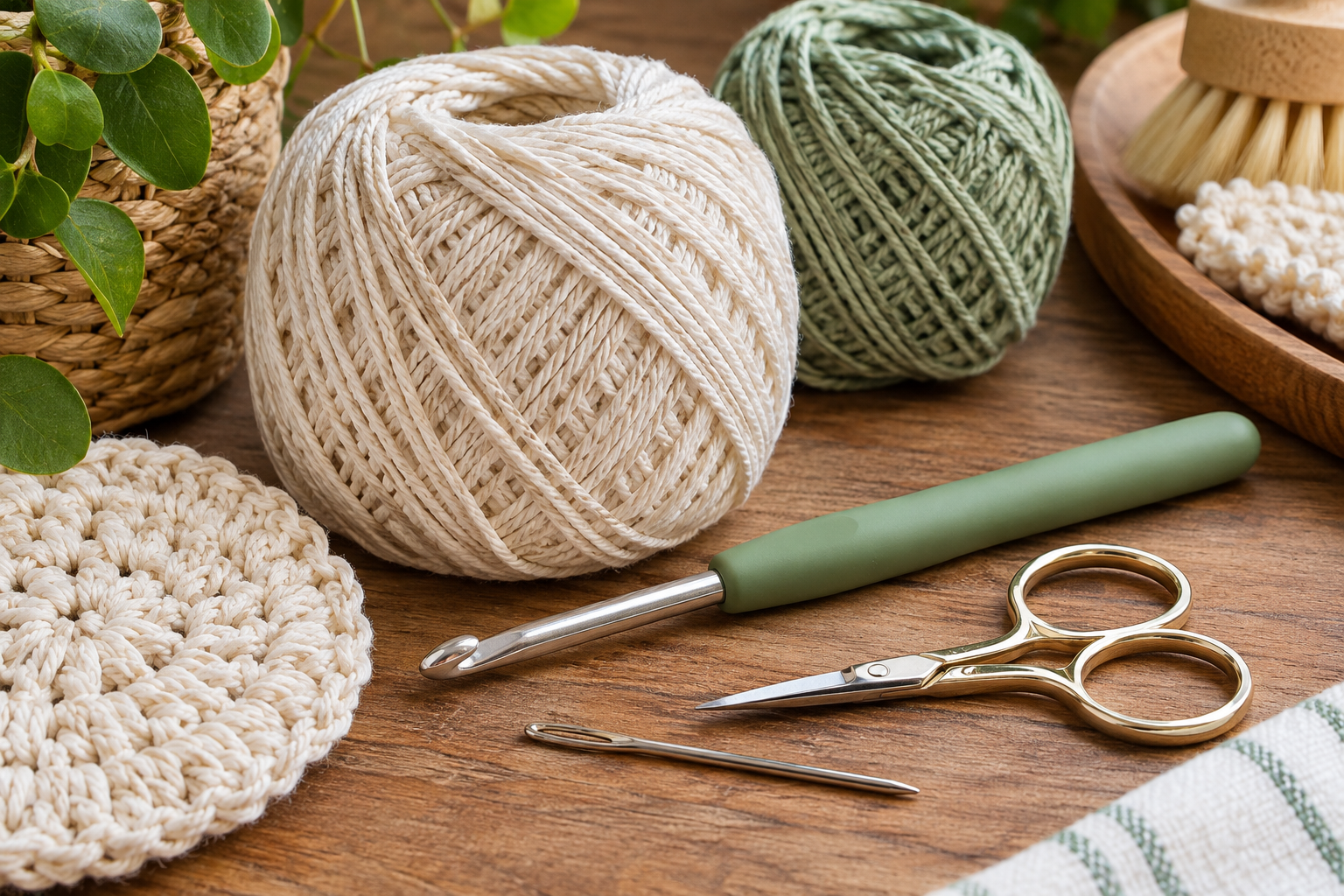
To create your owncrochet reusable Swiffer pad, you will need a few essential items. Selecting the right components ensures your finished item is both effective and long-lasting. Proper preparation makes the crafting process smoother. You will need an appropriate fiber for your project. Cotton fiber is often recommended due to its excellent absorbency and durability. A G/4.00 mm or H/5.00 mm crafting tool is typically suitable. Furthermore, a pair of scissors and a tapestry needle are indispensable for finishing your work. These tools help weave in loose ends neatly.
Step-by-Step: How to Crochet a Reusable Swiffer Duster Pad
Crafting acrochet reusable Swiffer padinvolves a series of simple steps, making it an accessible project for most crafters. This guide will walk you through creating your own washable floor tool. You will soon have a functional and sustainable alternative for tidying your home.
Step 1: Create a Slip Knot and Chain.Begin by making a slip knot. Then, chain 16 stitches. This forms the starting width of your item.
Step 2: Establish the First Row.Work a single crochet (SC) into the second chain from your crafting tool. Continue with one SC in each remaining chain across the row. You will have 15 stitches.
Step 3: Turn and Continue Working.Chain one and turn your work. This prepares you for the next row.
Step 4: Repeat for Length.Work one SC into each stitch across the row. Chain one and turn. Repeat this process for a total of 25 rows. This creates the main body of your floor care item.
Step 5: Add Attachment Flaps.On the 26th row, chain one and turn. Work SC in the first 4 stitches. Chain 12, then skip 7 stitches. Work SC in the last 4 stitches. This creates the first flap.
Step 6: Finish the Flaps.Chain one and turn. Work SC in the first 4 stitches. SC in each of the 12 chain stitches. Work SC in the last 4 stitches. Repeat this flap process for the opposite side of your piece.
Step 7: Weave in Ends.Cut your fiber, leaving a tail. Use a tapestry needle to weave in all loose ends neatly. This gives your project a clean, finished appearance.
Tips for Using Your Crochet Reusable Swiffer Duster Pad
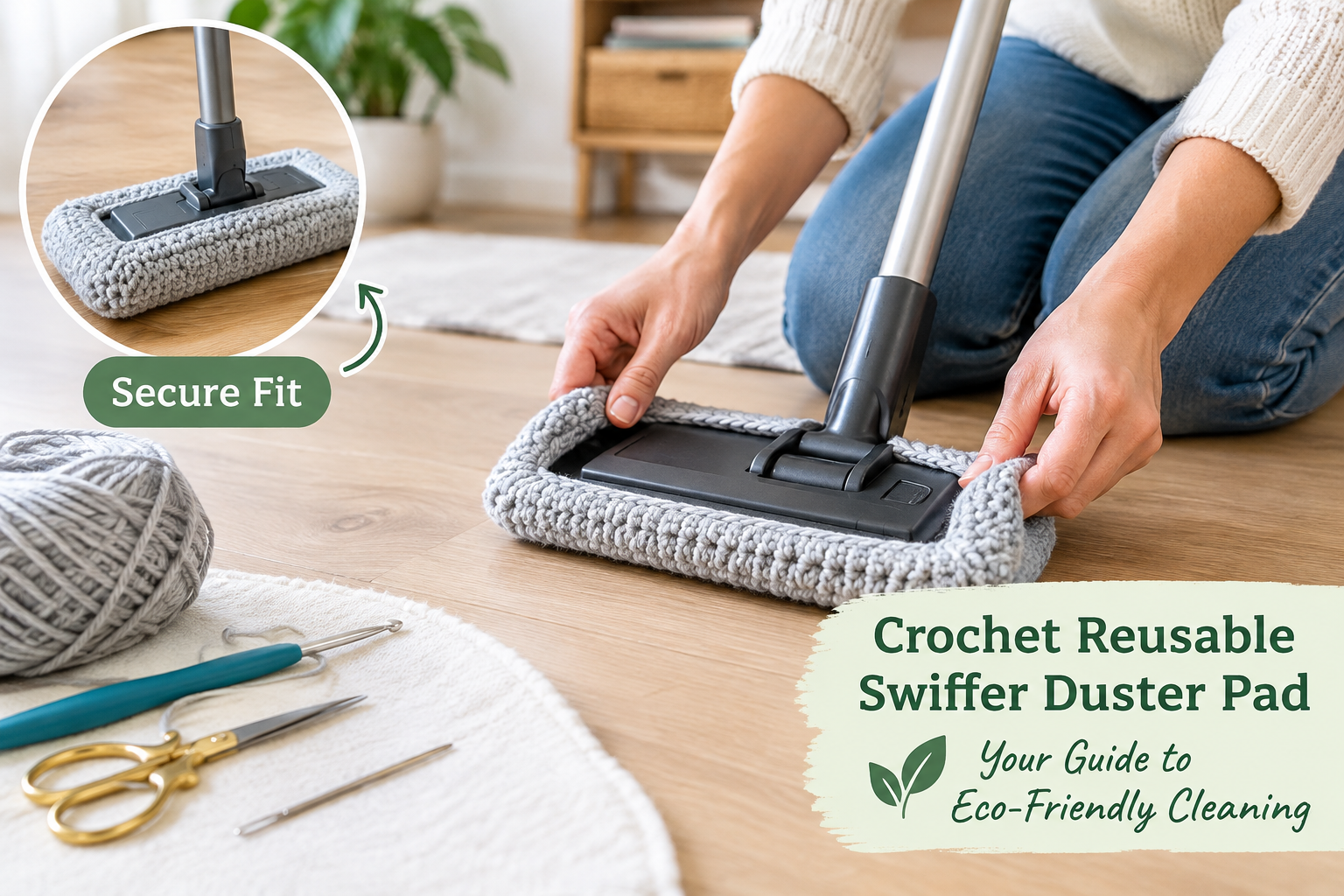
Using your handmade sweep cover effectively ensures a spotless home. How can you maximize its performance? Proper care and technique extend the life of your item and improve its efficacy. First, attach the fabric securely to your sweeping tool. You can find visual guides on how to do this correctly, such as this helpfulvideo tutorial. This prevents it from slipping during use. For dry applications, simply glide the fabric over surfaces to pick up particles. For wet tasks, lightly dampen the item with water or a preferred solution. After each use, remove the fabric from the handle. Shake off any loose debris. For deeper tidying, machine wash the item with similar colors. Avoid fabric softeners, as they can reduce absorbency. Air dry or tumble dry on low heat. This routine keeps yourcrochet reusable sweeper padready for its next task.
Caring for Your Crochet Duster Pads: Washing and Maintenance
Maintaining your handmade floor covers properly ensures their longevity and effectiveness. How should you care for these useful items? Following a simple routine will keep them in excellent condition for many uses. After each session, remove the fabric from your sweeping device. Shake it vigorously outdoors to dislodge collected particles. For a thorough refresh, machine launder your floor tools with similar hues. Use a gentle cycle and cold water. Avoid bleach or harsh chemicals. These substances can degrade the fibers. To dry, either lay them flat or tumble dry on a low setting. High heat can cause shrinkage. Do not use fabric softeners; they can reduce the material’s ability to pick up grime. With attentive upkeep, your handcrafted floor coverings will continue to serve your home well.
Beyond the Duster: Expanding Your Crochet Cleaning Collection
You can easily expand your collection of handmade home essentials. What other practical items can you create for your household? Many functional accessories can be crafted using similar techniques. Consider making atextured dusting mitt. This fits over your hand for intricate tidying tasks. Alternatively, craft anelastic-edge bowl coverto replace plastic wrap. Furthermore, adouble-thick pot holderoffers excellent heat protection in the kitchen. These projects utilize basic crafting skills. They help reduce waste and add a personal touch to your home. Explore various designs and fibers to suit your specific needs.
FAQ About Crochet Reusable Swiffer Duster Pads
How do you make a Swiffer accessory?
You begin by forming a slip knot and creating a foundation chain. Next, you work rows of single and double forms of textile art to build the body of the item. You will then add loops or texture for enhanced particle capture. Finally, you secure any loose ends for a finished product.
What fiber is best for Swiffer mop covers?
For Swiffer mop covers, absorbent fibers like natural plant-based material are ideal. It is durable and highly effective at trapping particles. Furthermore, its natural properties make it excellent for everyday tidying tasks. Avoid synthetic fibers, as they may not absorb as well.
Are handmade Swiffer covers effective?
Yes, handmade Swiffer covers are very effective. They are designed to pick up particles and debris efficiently, often outperforming disposable alternatives. The textured surfaces created during the crafting process help capture more grime. You can achieve excellent results on various surfaces.
How do you launder handmade Swiffer covers?
To launder handmade Swiffer covers, simply place them in a mesh bag and machine wash with similar colors. Use cold water and a gentle cycle. Avoid fabric softeners, as they can reduce absorbency. Air dry or tumble dry on low heat to maintain their shape and effectiveness.
Can I use a handmade Swiffer cover on all surface types?
Yes, you can use a handmade Swiffer cover on most surface types. This includes hardwood, tile, laminate, and vinyl. Always ensure the item is dry for dry sweeping and damp for wet mopping, depending on your surface’s needs. Test a small, inconspicuous area first if you are unsure.


