
Do you often suffer fromcold handsduring chilly weather? Imagine keeping them toasty and comfortable with a stylish accessory. This guide will show you how to create your owncrochetthermal hand warmers. These delightful items are designed to provide extra warmth, making them perfect for outdoor activities or simply lounging at home.
Crochet thermal hand warmers are essentially fingerless gloves or mitts crafted using specific stitches that create a dense, insulated fabric. This thermal quality helps trap heat, keeping your hands wonderfullywarm. They are incredibly practical, allowing your fingers to remain free for tasks like typing or holding a cup of coffee.
Making thesecozyaccessories is aneasyand rewarding project. You will primarily need some qualityyarnand a crochethook. Our detailed instructions will guide you through eachstitch, ensuring a smooth crafting experience. Get ready to banish those chilly sensations and embrace warmth with your handmade creations.
Why Crochet Thermal Hand Warmers Are Your Winter Essential
Are you wondering why these items are a must-have for the colder months?Crochet Thermal Hand Warmersoffer unmatched comfort and functionality, making them perfect for winter. They provide excellent insulation, keeping your hands snug during chilly days. These practical items allow for full dexterity, unlike traditional mittens. Furthermore, they are incredibly versatile. You can wear them while working, driving, or enjoying outdoor activities. Crafting them is a rewarding DIY project, suitable for both beginner and advanced crafters. Many free pattern options are available to inspire your next creation. These delightful hand coverings also make thoughtful gifts. Imagine presenting a loved one with a pair of custom-made hand protectors. Our tutorial offers various patterns, ensuring you find the perfect style. Embrace the winter season with these stylish and practical companions.
Choosing the Best Yarn for Superior Warmth and Comfort
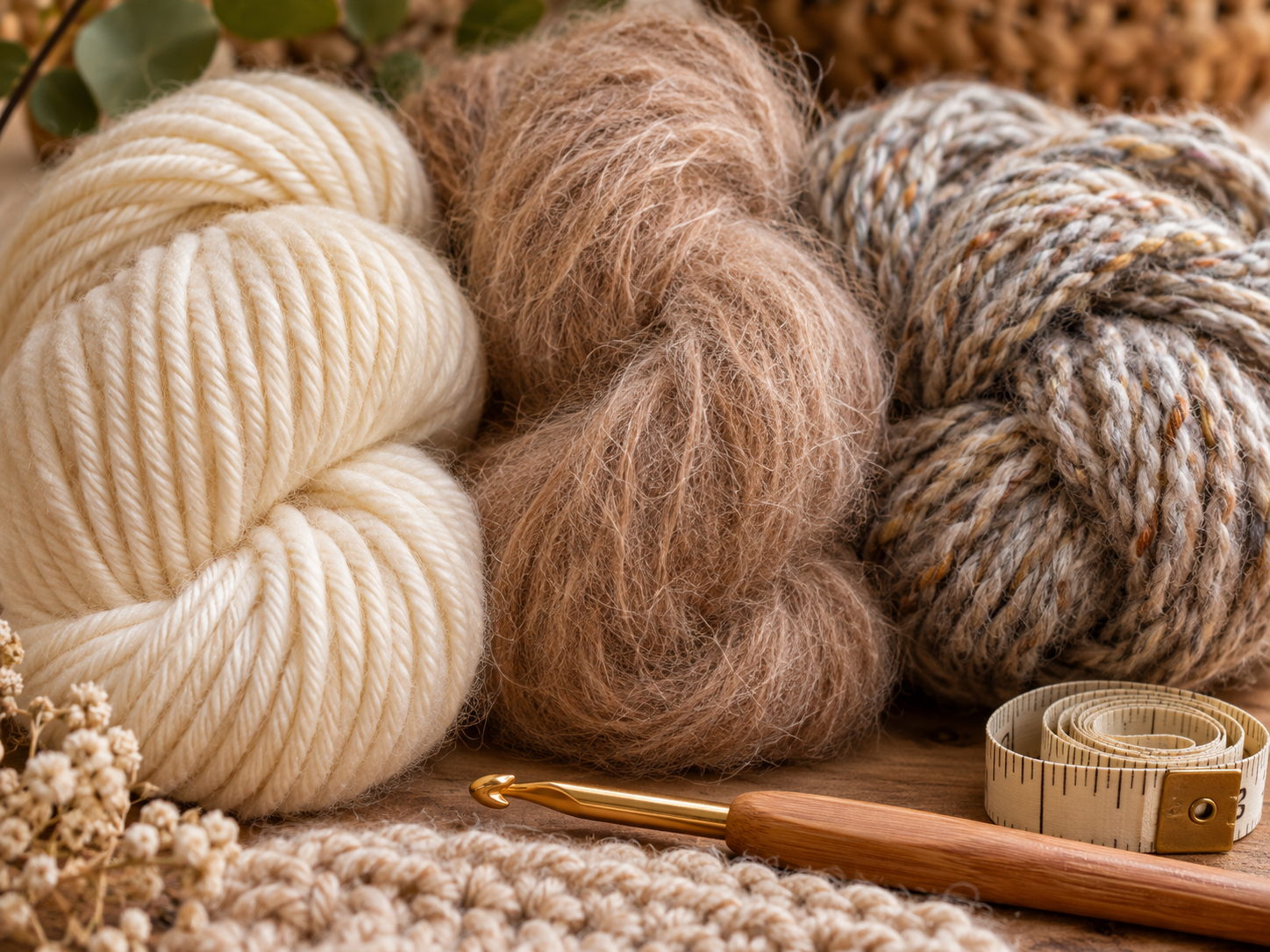
Selecting the right fiber is crucial for creating truly effective and comfortablehand coverings. Natural fibers generally offer superior insulation. They trap body heat efficiently, providing excellent protection against the elements. Merino wool is an excellent choice. It is incredibly soft, breathable, and known for its exceptional heat-retaining properties. Cashmere also provides luxurious softness and significant warmth, though it can be more delicate. Alpaca fiber is another fantastic option, offering great insulation without much weight. Consider using a blend of natural fibers for a balance of durability and comfort. For example, a wool-acrylic blend can offer the benefits of wool with added strength.
| Yarn Type | Key Benefits | Considerations |
|---|---|---|
| Merino Wool | Soft, breathable, excellent heat retention | Can be more expensive |
| Alpaca | Lightweight, very insulating, soft | May pill with heavy use |
| Cashmere | Luxurious, incredibly soft, very insulating | Requires delicate care, higher cost |
| Wool Blends | Durable, good insulation, often more affordable | Check fiber content for desired properties |
Alternatively, plant-based fibers like cotton can work for milder weather. However, they do not offer the same level of insulation as animal fibers. Look for yarns labeled “worsted weight” or “DK” for most projects. These weights create a dense fabric suitable for these protective items.
Understanding Thermal Properties in Crochet
Understanding how fabric construction impacts warmth is key to creating effective protective items. The density and structure of your stitches play a significant role in insulation. Tightly woven stitches trap more air, which acts as a barrier against external temperatures. This trapped air is what helps keep your digits comfortable. Consider using stitches that create a dense fabric. Stitches like single crochet or half double crochet are excellent choices. Furthermore, techniques such as thewaffle stitchor post stitches add extra bulk and texture. These methods enhance the fabric’s ability to retain body heat. A thicker fabric provides better protection from the elements.
Recommended Yarn Fibers for Maximum Insulation
What are the best yarn fibers for maximum insulation? Selecting the right fiber significantly boosts the insulating power of your protective coverings. Natural animal fibers are generally superior for trapping warmth. They create a dense barrier against the elements. Merino wool stands out for its softness and exceptional heat retention. It keeps your digits comfortable without bulk. Alpaca is another excellent option, providing lightweight yet powerful insulation. Furthermore, cashmere offers luxurious comfort and significant protection, though it requires delicate handling. For added durability, consider a blend like wool and acrylic. This combination offers the benefits of natural fibers with enhanced strength.
Popular Crochet Stitches for Extra Warmth
What are some popular methods for creating extra insulating fabric? Certain techniques inherently produce a denser fabric, ideal for keeping your digits comfortable. These methods create a thick barrier against the elements. They help trap body heat effectively. Consider these effective methods for enhanced insulation:
Single Method (SC):This fundamental method creates a tight, dense fabric. It leaves minimal gaps for air to escape.
Half Double Method (HDC):Slightly taller than the single method, the HDC still offers excellent density. It works up quickly while maintaining good insulating properties.
Post Methods:These techniques involve working around the “post” of previous rows. This creates a raised, textured surface. This added dimension enhances thickness and traps more air. You can see an example of this in awaffle method pocket shawl.
Camel Method (HDC in the 3rd loop):By working into the third loop of a half double method, you create a ribbed effect. This adds extra bulk and a pleasing texture, boosting the fabric’s ability to retain heat.
Waffle Method:This technique uses a combination of front and back post double methods. It creates a deeply textured, thick fabric. The waffle-like structure is excellent for insulation.
Using a smaller hook size than recommended for your yarn can also increase fabric density. This results in a tighter weave. Furthermore, combining these methods can create unique textures and even greater protection. For inspiration on various projects, explore resources like thisInstagram reelshowcasing different textures.
Beginner-Friendly Thermal Hand Warmer Patterns
Are you looking for simple projects to create your own protective coverings for your digits? Many straightforward designs exist that are perfect for those new to crafting. These projects often use fundamental techniques. They provide excellent practice for developing your skills. Consider starting with basic shapes like rectangles or tubes. These forms require minimal shaping. They allow you to focus on consistent tension and method execution. For instance, a simple ribbed design using half double methods can produce a comfortable and insulating fabric. You could also try making asweater keychainto practice smaller versions of similar constructions. Alternatively, explore designs that use only single methods throughout. This creates a very dense and protective fabric. Such simplicity ensures a quick and satisfying outcome. These projects are ideal for personal use or for crafting thoughtful presents for loved ones.
Advanced Techniques for Custom Designs
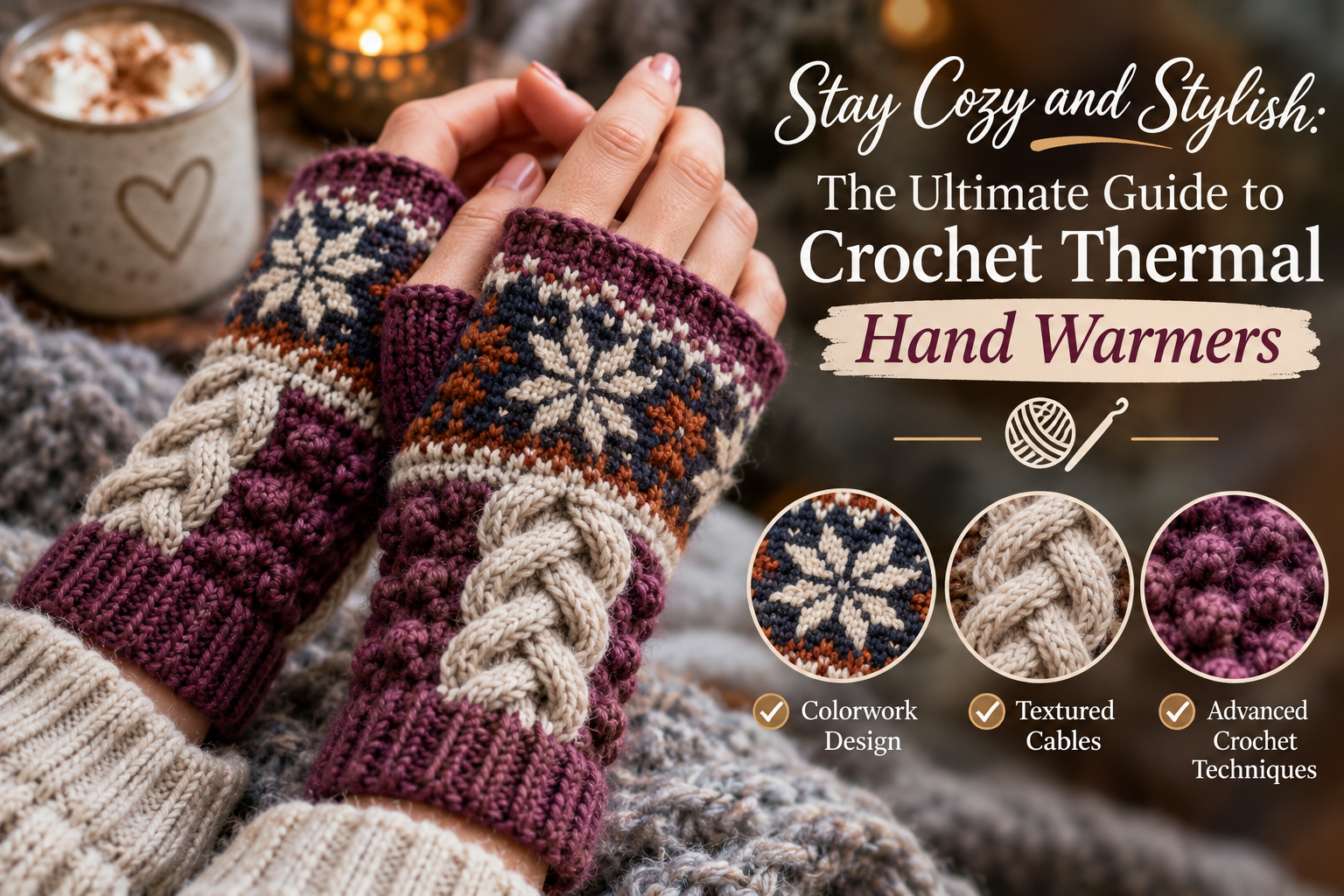
Do you want to elevate your protective coverings for your digits with unique touches? Advanced techniques allow for truly personalized creations. You can incorporate intricate textures and complex shapes into your designs. This moves beyond basic construction to artistic expression. Consider methods like colorwork for striking visual effects. Fair Isle or intarsia techniques can introduce elaborate motifs. Furthermore, experiment with different shaping methods. Short rows can create ergonomic contours that fit perfectly. You might also explore adding embellishments such as beads or embroidery for a decorative flair. For example, abuckle waist beltuses shaping that could inspire similar techniques for wrist shaping. Alternatively, integrate unique closures like buttons or toggles. This adds both function and style. Explore various fiber blends to achieve specific properties, such as merino wool for softness or alpaca for extra insulation. You can find inspiration for intricate designs on platforms like thisInstagram reel.
Sizing and Fit: Ensuring Your Hand Warmers Are Just Right
Ensuring your protective coverings for your digits fit perfectly is crucial for comfort and effectiveness. A well-fitted garment provides optimal insulation without restricting movement. Consequently, accurate measurements are essential before you begin your creation. Start by measuring the circumference of your palm, just above the thumb. Next, measure the length from your wrist to where you want the top edge of your item to sit. These two measurements are primary for sizing. You can also measure the circumference of your wrist for a tapered fit. When selecting a design, consider if you prefer a snug or relaxed feel. Some designs offer more stretch due to their construction. For example, a ribbed texture often provides greater flexibility. Alternatively, a dense fabric might offer a more structured fit. Remember, different fibers can also affect the final drape and stretch of your finished piece.
Care and Maintenance for Long-Lasting Warmth
To ensure your protective coverings for your digits remain effective and beautiful for years, proper care and maintenance are essential. Following simple guidelines will preserve their structure and insulating properties. This helps them continue providing comfort. Always check the fiber content of your chosen material. This determines the best washing method. Most wool or alpaca items require gentle handling. You should hand wash them in cool water with a mild cleanser. Avoid harsh chemicals or excessive agitation. Here are some general maintenance tips:
Gentle Washing:Submerge your items, gently squeeze out water, and rinse thoroughly.
Reshaping:After washing, gently reshape your items and lay them flat to dry. This prevents stretching and maintains their form.
Storage:Store your completed pieces in a clean, dry place away from direct sunlight. Consider using sachets of lavender or cedar to deter pests.
Pill Removal:Over time, small fiber pills may appear. Use a fabric shaver or gently snip them off with scissors.
These steps will extend the life of your creations.
Customer Reviews: What People Are Saying About Our Crochet Thermal Hand Warmers
Our customers consistently express satisfaction with theirknitted wristlets. Many highlight the exceptional comfort and effective insulation they provide. Users often mention how these items keep their digits comfortable in various environments. The quality of the materials receives frequent praise. “These are perfect for working at my desk,” one reviewer noted. “My fingers stay free, but my wrists feel great.” Another happy customer shared, “I love the soft feel and how quickly they take shape.” People also appreciate the stylish designs available. They find them suitable for both indoor and outdoor use. Furthermore, the durability of these creations is a common theme. “They hold up wonderfully after many washes,” a review stated. This feedback confirms the robust construction. Overall, the positive reception reflects a high level of customer contentment with these protective coverings for the digits.
FAQ About Crochet Thermal Hand Warmers
How do you make these items?
You begin by forming a foundation chain. Next, you work in rounds using techniques like half double purl and single purl variations. These methods create a dense fabric. Finally, you seam the pieces together, leaving an opening for the thumb. This process ensures a snug fit.
What is the best fiber for these items?
Merino wool or alpaca are excellent choices for these warming covers. Their natural fibers provide superior insulation and softness. Alternatively, a high-quality acrylic blend can also offer good warmth and durability. Consider the specific blend’s properties for optimal comfort.
Do these coverings provide ample warmth?
Yes, these coverings are designed for excellent insulation. The specific construction, often utilizing dense techniques, traps body heat effectively. Consequently, they keep your digits comfortable in cooler temperatures. Many find them comparable to traditional gloves in their ability to provide comfort.
How much material do I need for these items?
For a standard pair of these warming covers, you will typically need about 100-150 yards of worsted-weight fiber. However, this amount can vary based on the desired length and thickness. Always check your specific design’s requirements. You can find many options atonline fiber retailers.
Can I machine wash my coverings?
It depends on the fiber content. Wool items often require hand washing or a delicate cycle with cold water to prevent shrinking. Acrylic blends are generally more resilient and can be machine washed on a gentle cycle. Always consult thefiber label for specific care instructions.


