
Are you looking for a cozy and stylish accessory? A crochet pocket shawl combines warmth with practicality. This versatile garment features pockets, adding functionality to a classic shawl design. It’s perfect for keeping your hands warm or carrying small essentials.
This article will guide you through creating your very own crochet pocket shawl. We will focus on the beautiful waffle stitch, a textured and dense stitch pattern. The waffle stitch creates a lovely fabric, ideal for a warm and comforting shawl. Furthermore, you will find afree crochet patternto help you get started. This project is suitable for crocheters of various skill levels.
Why a Crochet Waffle Stitch Pocket Shawl is Your Next Must-Make Project
A crochet waffle stitch pocket shawl is your next must-make project because it offers a perfect blend of comfort, style, and practicality. This project is surprisinglyeasyto complete, even for those new to more intricate stitches. The waffle stitch creates a beautiful texture, making it a delightful accessory. Imagine wrapping yourself in this cozy creation. The dense fabric, achieved through a combination ofdouble crochetstitches, provides excellent insulation. This makes it ideal for cooler evenings or simply lounging at home. You can choose anycolorof worsted weight yarn to match your personal style. The integrated pockets add a functional touch. They are perfect for keeping your hands snug or holding small items. This makes the shawl more versatile than a traditional wrap. Follow a clearpatternto guide you through the initial chain and subsequent rows. You will be amazed at how quickly your project takes shape. It’s almost like crocheting a wearable blanket! This project requires only a few skeins of yarn and a suitable hook.
Understanding the Waffle Stitch: Texture, Warmth, and Appeal
The waffle stitch is a crochet technique that creates a fabric resembling the classic breakfast food. This stitch pattern is achieved through a specific sequence of front post double crochet and double crochet stitches. Its unique construction gives it a delightful, textured surface. What makes this stitch so appealing? The raised squares and recessed areas create a thick, plush fabric. This density provides excellent insulation, making it perfect for items needing extra comfort. Furthermore, the texture adds visual interest to any project. Many crocheters love working with this technique because it results in a beautiful, reversible fabric. It uses relatively simple stitches, making it accessible for those familiar with basic crochet. You will appreciate how quickly your projects grow using various types of yarn.
Essential Supplies for Your Waffle Stitch Pocket Shawl
To create your elegant pocket wrap, you will need a few key items. First, select your preferred yarn. A medium-weight fiber, such as Aran or worsted, works best for this project. This weight ensures a cozy and substantial garment. Next, choose an appropriate hook size. A 6.0 mm (J/10) hook is often ideal for this type of fiber. However, you might adjust it based on your personal tension. You will also need a pair of sharp scissors. A yarn needle is essential for weaving in ends. Additionally, a measuring tape helps ensure your garment reaches the desired dimensions. Lastly, consider using a few locking markers. These handy tools help keep track of your rows and pocket placement.
Choosing the Best Yarn for Your Crochet Waffle Stitch Pocket Shawl
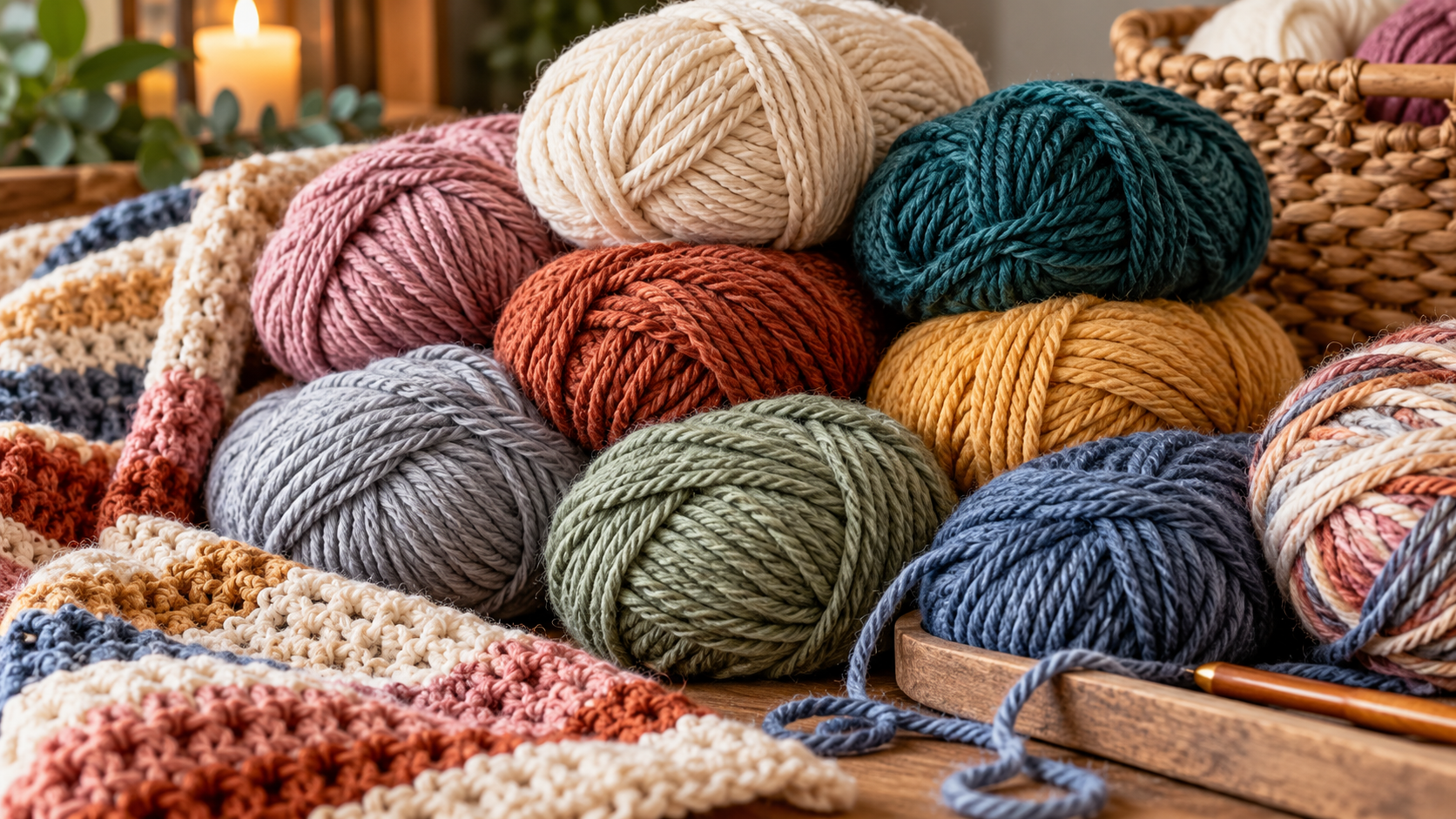
Choosing the right fiber is crucial for yourCrochet Waffle Stitch Pocket Shawl. What characteristics should you look for in a good yarn? Opt for a medium-weight fiber, such as worsted or Aran. This weight creates a substantial yet flexible fabric. Acrylic yarn is a popular choice due to its affordability and durability. It is also easy to care for, making it ideal for everyday wear. Alternatively, consider a wool blend for extra softness and insulation. Merino wool, for example, offers superior comfort without being too bulky. Cotton blends are another excellent option, especially if you prefer a breathable garment. They provide a lovely drape and are comfortable against the skin. Always check the label for care instructions. This ensures your finished item remains beautiful for years to come.
How Much Yarn Do You Need for a Crochet Waffle Stitch Pocket Shawl?
The amount of fiber needed for a pocket wrap varies based on its size and your tension. Generally, you will require a significant quantity due to the dense nature of the fabric. A standard adult-sized garment often needs between 1,500 and 2,000 yards of medium-weight fiber. For a smaller shawl, such as one for a teenager, you might use around 1,200 to 1,500 yards. Always check your chosen design’s specific recommendations. It is always wise to purchase an extra skein. This ensures you do not run out before finishing your project. Consider the fiber content as well. Some materials, like wool, can be heavier than acrylic. This might affect the overall yardage needed for yourcozy accessory. A swatch test can help you estimate more accurately.
Step-by-Step: Crocheting Your Waffle Stitch Pocket Shawl
Creating your cozy pocket wrap involves several distinct stages.
Step 1:Begin by forming your foundation chain. The length of this chain determines the width of your shawl. Ensure it is long enough to drape comfortably over your shoulders.
Step 2:Work the initial rows to establish the fabric. You will typically use a combination of basic techniques to form the characteristic raised surface.
Step 3:Continue working in rows until your main body reaches the desired length. Remember to maintain consistent tension for an even appearance.
Step 4:Next, you will craft the pockets. These are often made separately and then attached. Alternatively, you might incorporate them directly into the main garment as you go.
Step 5:Once the pockets are complete, position them on the main body. Securely attach them using a yarn needle and matching fiber.
Step 6:Finally, finish any edges if desired. Weave in all loose ends for a neat and polished look. Blocking your finished piece can also enhance its shape and drape.
Adjusting the Size of Your Pocket Shawl
Adjusting the Size of Your Pocket Shawl
You can easily modify the dimensions of your pocket wrap to suit your preferences. For a wider garment, simply increase the number of foundation chains you begin with. Remember that more chains mean a broader piece. This will also require additional fiber. To adjust the length, you will work more or fewer vertical lines of fabric. Each line adds to the overall vertical measurement. Consistent tension is crucial for an even appearance. Consider making a gauge swatch first. This helps determine how many vertical lines you need per inch. You can also alter the size of the pouches. Make them larger by adding more starting chains and vertical lines. Conversely, reduce their size by using fewer. This personalizes yourstylish accessoryperfectly.
Adding the Pockets: A Practical Touch
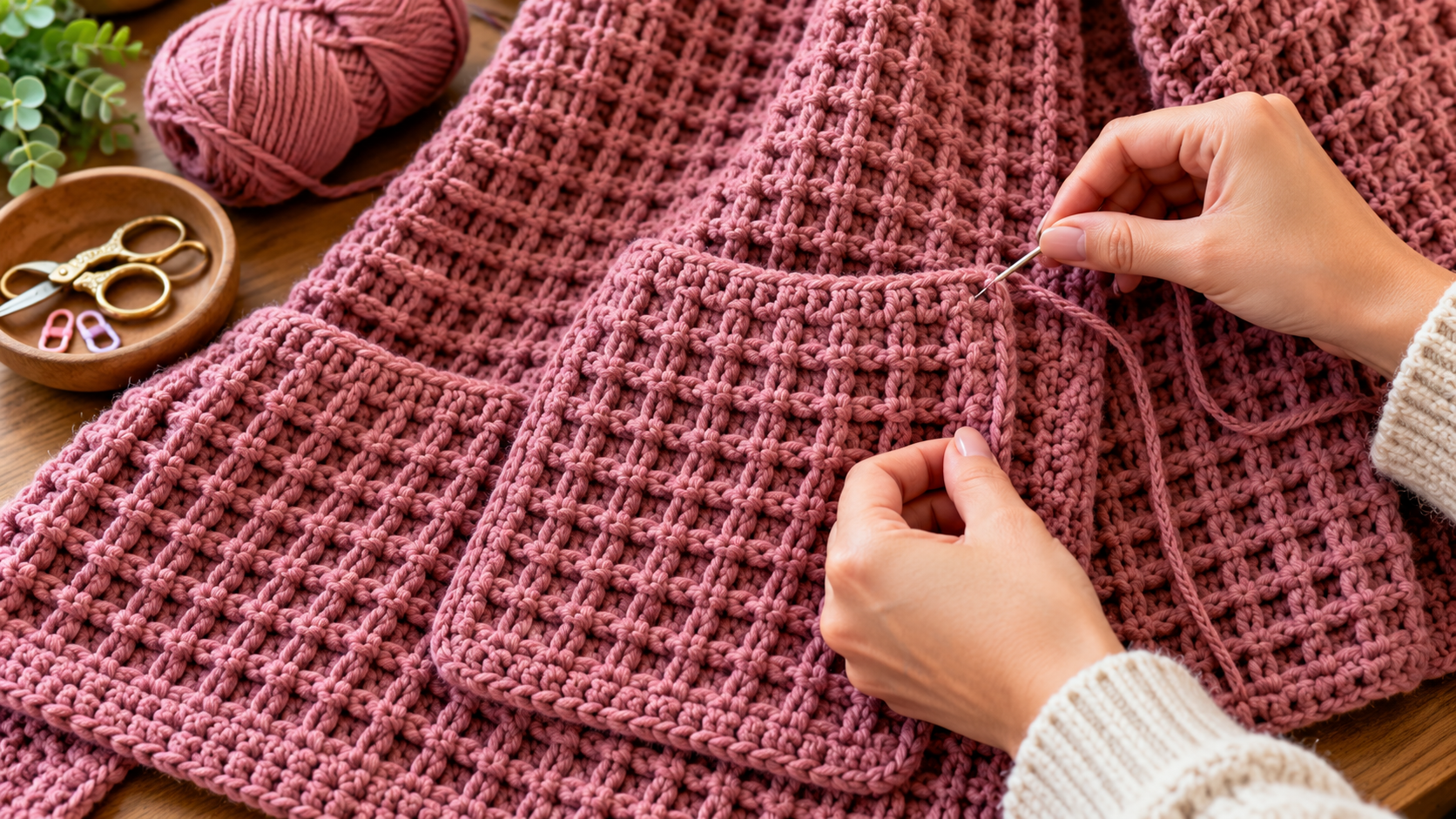
How do you attach the pouches to your cozy wrap? Attaching the pouches transforms your garment into a truly functional item. You can create these storage areas separately and then sew them onto the main body. Alternatively, integrate them directly into the fabric as you craft the piece. If making them separately, begin by forming a rectangular piece of fabric. Use a complementary or matching yarn. Once complete, position these fabric rectangles precisely where you want them on the main wrap. Pin them securely in place to prevent shifting. Next, use a yarn needle and the same fiber to sew the rectangles onto the wrap. Employ a neat, sturdy seam along three sides, leaving the top edge open. This creates a functional pouch. Ensure all ends are woven in for a clean finish.
Waffle Stitch Pocket Shawl vs. Pocket Scarf: What’s the Difference?
Acozy wrapand a pocket neckwear item differ mainly in their dimensions and how they are worn. A pocket wrap is typically a much larger garment. It drapes over the shoulders and back. This provides significant coverage. Conversely, a pocket neckwear item is narrower and shorter. It primarily wraps around the neck. Sometimes, it extends a bit over the upper chest. Both items feature integrated storage areas. However, the larger item offers more substantial coverage and often greater versatility in styling. Think of the wrap as a wearable blanket. The neckwear item acts more like a functional neck warmer.
Tips for Success and Common Waffle Stitch Troubleshooting
To achieve success with your project and troubleshoot common issues, what steps should you take? Maintaining consistent tension is paramount for achieving a uniform appearance. Inconsistent tension can lead to uneven edges or a lopsided fabric. Practice a few simple motifs before starting your main piece. When encountering problems, first check your counting. Miscounts frequently cause irregularities in the fabric. Each line should have the correct number of elements. Furthermore, ensure you are inserting your implement into the correct loops. Incorrect placement can alter the intended design. If your fabric seems too loose or too tight, consider adjusting your implement size. A larger implement creates a looser fabric. A smaller one results in a tighter weave. Don’t be afraid to unravel and restart. This ensures a beautiful final outcome.
Care and Maintenance for Your Handmade Shawl
How do you properly care for your handmade garment? Proper care ensures your woven accessory remains beautiful and lasts for years. Always check the fiber content of your material. This determines the best cleaning method. Most handmade items made from acrylic or cotton blends can be machine washed. Use a gentle cycle with cold water. Place the item in a mesh laundry bag. This protects it from snags. Avoid harsh detergents. For wool or delicate blends, hand washing is often best. Fill a basin with cool water and a mild soap. Submerge the item and gently squeeze the suds through it. Do not wring or twist the fabric. Rinse thoroughly until the water runs clear. To dry, gently press out excess water with a towel. Lay the garment flat on a clean, dry surface. Reshape it as needed. Avoid hanging, as this can stretch the fabric. Keep it away from direct sunlight or heat.
Frequently Asked Questions About Crochet Waffle Stitch Pocket Shawls
How do you create a ridged fabric pocket wrap?
You begin by making a foundation chain. Then, you alternate between front post treble and regular treble techniques. This creates the distinctive raised pattern. You will continue working in this manner to form the main body. Finally, you will add separate sections for the hand warmers and attach them.
What is the best fiber for a ridged fabric pocket wrap?
Medium-weight acrylic or wool fibers are excellent choices. They provide good definition for the raised design. Furthermore, these materials offer comfort and durability. Consider blends for extra softness and drape.
How much fiber do I need for a ridged fabric pocket wrap?
The required amount of fiber depends on the desired size. A typical adult-sized garment often requires about 1,500 to 2,000 yards. Always check your specific pattern for precise measurements. It’s wise to purchase a little extra to ensure consistency.
Is the ridged fabric design good for a blanket or wrap?
Yes, the raised fabric design is ideal for both blankets and wraps. Its unique construction creates a dense, insulating fabric. This provides excellent comfort and coziness. The dimensional quality also adds visual appeal to any finished item. You can find inspiration for various projects, including this design, on platforms likePinterest.
Can novices craft a ridged fabric pocket wrap?
Absolutely, novices can certainly create this type of pocket wrap. While it involves some new techniques, they are straightforward to learn. Many patterns are specifically designed for those new to the craft. Take your time with each step for the best results.


