
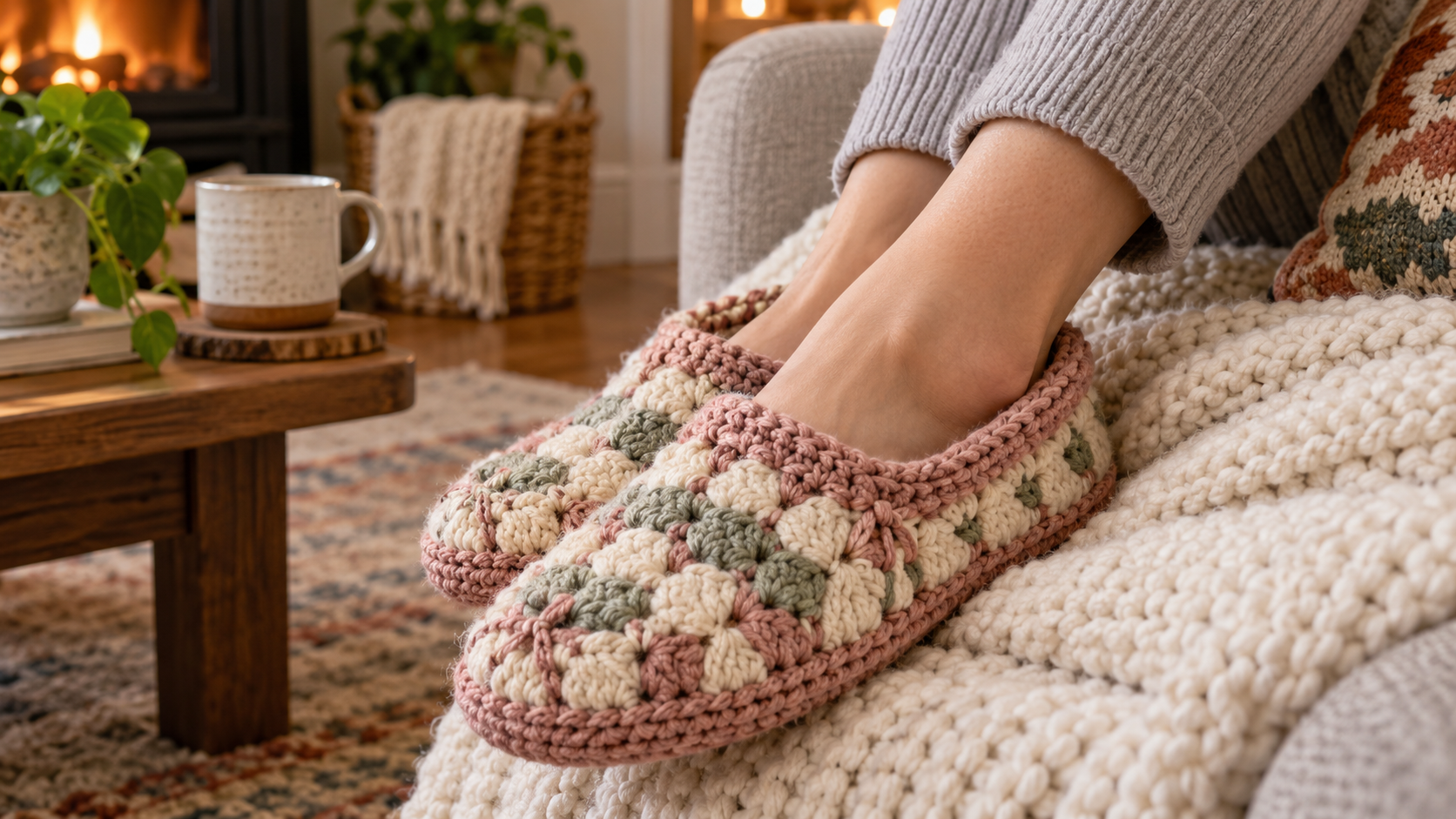
Are you searching for the perfect blend of comfort and warmth for your feet? Look no further than these delightful crochet quilted house moccasins. These cozy creations are soft, durable, and offer a handmade touch to your loungewear. Crafting your own pair of these comfortable slippers is a rewardingDIYproject that results in unique footwear.
This comprehensive guide will walk you through each step of creating your own pair of moccasins. You will learn how to crochet these charming house shoes using variousyarntypes and techniques. Whether you are an experiencedcrochetenthusiast or a beginner eager to learn, this pattern is accessible. Get ready to transform simple materials into stylish and comfortable footwear for around the house.
Why Crochet Quilted House Moccasins Are Your Next Must-Have Project
Crochet quilted house moccasins are your next must-have project because they offer unmatched comfort and a wonderful creative outlet. These delightful slippers provide a plush feel for your feet. They are perfect for relaxing at home after a long day. Making these moccasins is a rewarding experience for anyone who enjoys creating things. You can follow a detailedtutorialor afree patternto guide you. This project allows you to explore various crochetcraftsand techniques. Furthermore, they make an excellent personalized present for anyadult, whether for women’s or men’s feet. Alternatively, you might enjoy making these as a thoughtfulgiftfor friends and family. Imagine the joy of presenting a pair of soft, foot-hugging slippers that you personally knit or crocheted. This project combines practicality with the satisfaction of creating something beautiful.
Understanding the Appeal: Comfort, Style, and Warmth
Do you wonder why these crocheted house shoes are so popular? Their appeal lies in a perfect blend of comfort, style, and insulating properties. You get a custom fit that machine-made footwear cannot offer.
Each stitch contributes to the overall plushness, making these moccasins incredibly soft underfoot. Furthermore, the construction provides excellent insulation, keeping your feet snug during colder months. This combination ensures a luxurious feel every time you wear them.
Beyond comfort, these house shoes offer significant style versatility. You can customize them with various colors and embellishments to match your personal taste. Imagine creating a pair that perfectly complements your loungewear or even your favoritehome decor. The creative possibilities are endless.
The Unique Charm of Quilted Crochet
The Unique Charm of Quilted Crochet
What makes the technique of combining crochet with a padded effect so special? It creates a distinctive texture and enhanced comfort not found in traditional crocheted items. This method elevates simple footwear into something truly luxurious. The layering technique adds a delightful dimension. This fusion results in a more substantial and supportive structure for your feet. It also allows for diverse aesthetic expressions. You can incorporate different fabric types or colors within the padding for visual interest. This makes each pair of crochet quilted moccasins truly one-of-a-kind.
Choosing the Right Materials for Your Moccasins
Choosing the Right Materials for Your Moccasins
What materials should you select for your soft, padded foot coverings? Choosing appropriate components is crucial for durability and comfort. The right fabric and padding will ensure your finished item is both pleasant to wear and long-lasting. Consider the outer fabric first. A soft, yet sturdy material works best. Cotton blends or microfleece are excellent choices for the exterior. For the interior lining, prioritize extreme softness. Materials like flannel or faux shearling provide a delightful feel against the skin. For the inner padding, opt for a resilient batting. This will give your foot coverings their signature plushness and structural integrity. Furthermore, don’t forget a non-slip sole material. This prevents accidents and adds to the longevity of your footwear.
Selecting the Best Yarn for Durability and Softness
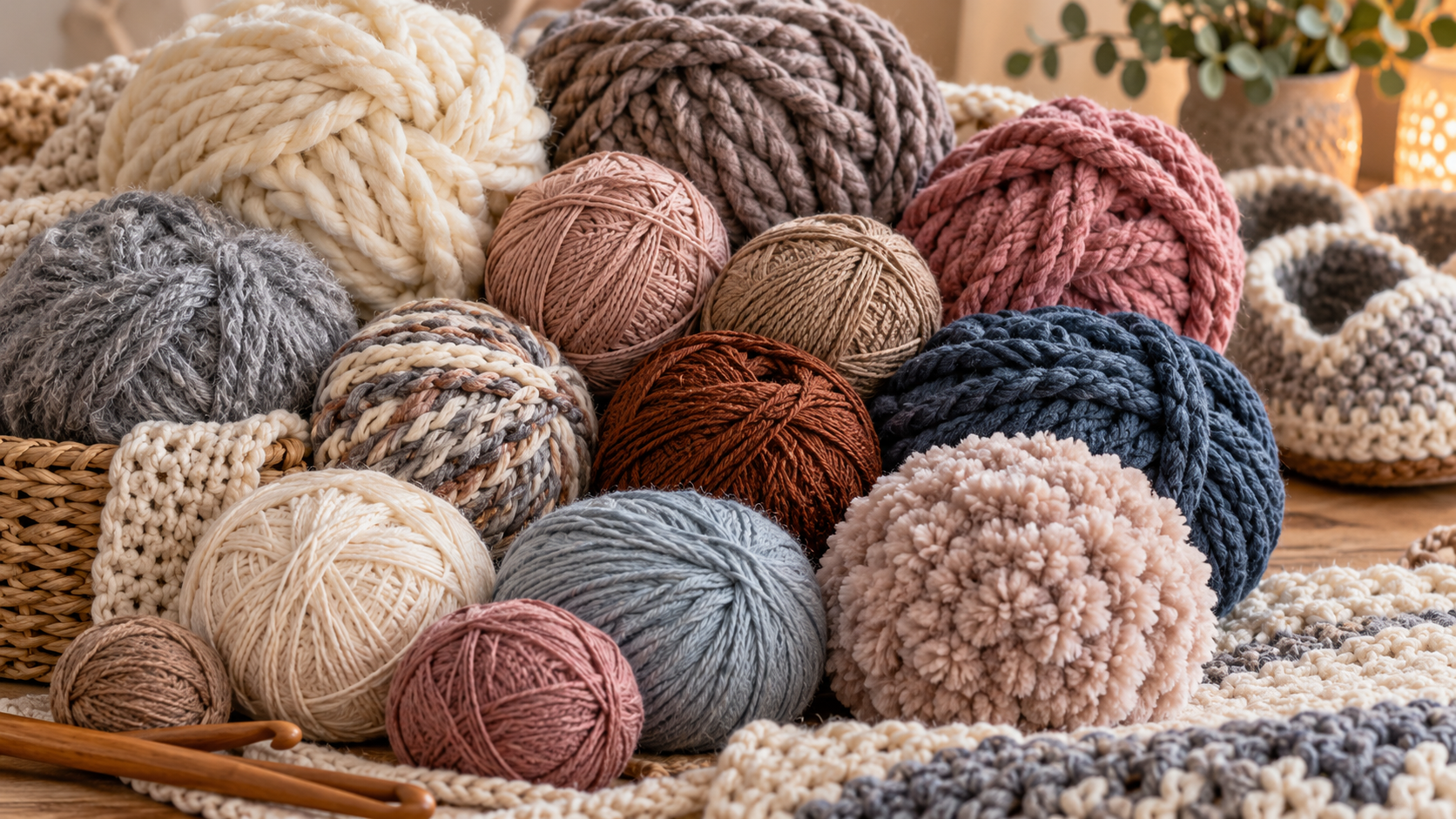
What fiber types offer the best combination of strength and gentle feel for your foot coverings? Choosing wisely ensures your project will be both comfortable and long-lasting. Various fibers provide different benefits for these types of projects. For excellent durability, consider using wool blends or acrylic. These materials withstand regular wear very well. Furthermore, they maintain their shape over time. For a super soft touch, chenille or merino wool are wonderful choices. These fibers feel luxurious against the skin. Alternatively, a blend of these materials can offer both resilience and a pleasant feel.
Essential Crochet Hooks and Notions
What tools do you need to begin creating your padded footwear? Having the correct instruments makes your project smoother and more enjoyable. These items are fundamental for any stitching endeavor. First, select the right hook. A hook size H (5.0 mm) or I (5.5 mm) is generally suitable for most projects involving padded foot coverings. However, always check your specific design’s recommendations. Your tension might also influence your hook choice. Next, gather your notions. You will need a tapestry needle for weaving in ends. Stitch markers are invaluable for keeping track of your rounds. Sharp scissors are also essential for neat cuts. Furthermore, a measuring tape helps ensure accurate sizing for your custom footwear.
Exploring Different Crochet Quilted House Moccasin Patterns
Are you wondering what varieties of soft, padded foot coverings you can create? There are numerous design approaches to explore. Each method offers unique aesthetic and structural qualities for your footwear. One popular style involves a simple, seamless construction. This technique often uses basic stitches to form the main body. Another approach incorporates separate sole and upper components. These pieces are then joined together. For intricate details, consider designs with appliqué or embroidery. This allows for personalized embellishments. Alternatively, explore different stitch patterns for varied textures. For example, thewaffle stitchcan add delightful depth. You might also find inspiration in designs for acrochet sweater keychainfor miniature versions.
Beginner-Friendly Patterns to Get Started
Are you looking for simple designs to begin making your own padded foot coverings? Many accessible options exist for newcomers. These projects typically use fundamental stitches and straightforward construction. They are perfect for building confidence in your stitching abilities. Start with designs that feature basic shapes. Many designs for these soft foot coverings begin with a flat oval or rectangular base. You then work upwards to create the sides. Look for instructions that clearly explain each step. Visual guides, like photos or diagrams, can be very helpful. Some simple designs might resemble acrochet phone bagin their basic construction. Furthermore, consider projects that use chunky threads. Thicker threads work up quickly. This allows you to see progress faster. Alternatively, search for designs specifically labeled for beginners. Many resources offer these easy-to-follow guides.
Advanced Designs for Experienced Crocheters
Do experienced crafters seek more complex projects for their padded foot coverings? Absolutely, many advanced designs offer exciting challenges and intricate details. These projects often incorporate sophisticated techniques and creative stitch combinations. They push the boundaries of traditional foot coverings. Consider exploring colorwork techniques like Fair Isle or intarsia. These methods create stunning visual effects on your footwear. Furthermore, designs featuring elaborate lace patterns or textured cables add elegance. You might also experiment with different shaping methods. This includes short rows or complex increases and decreases. These techniques ensure a perfect, custom fit. For instance, creating acrochet buckle waist beltinvolves similar shaping skills. Alternatively, integrate unique embellishments such as beads or embroidery. This personalizes your soft footwear even further.
Step-by-Step Guide to Crocheting Your Moccasins
Do you want to learn how to create your own comfortable foot coverings? This guide breaks down the process into manageable steps. You will soon be sporting your own custom footwear.
Step 1: Gather Your Supplies.Collect your chosen thread, an appropriate hook, and any desired embellishments. You will also need scissors and a tapestry needle.
Step 2: Create the Sole.Begin by forming the base of the foot covering. This is often an oval shape. Work in continuous rounds or rows as indicated by your chosen design.
Step 3: Build the Sides.Once the sole is complete, start working upwards. This forms the walls of your foot covering. Use stitches that create a sturdy yet flexible fabric.
Step 4: Shape the Toe and Heel.Decrease stitches to shape the toe area. Increase stitches for the heel, if necessary. This ensures a snug fit.
Step 5: Finish the Ankle Cuff.Add a comfortable cuff around the ankle opening. This can be ribbed or a simple border. It helps keep the footwear secure.
Step 6: Add Embellishments (Optional).Personalize your creation with decorative touches. You might add buttons, embroidery, or appliques. Consider acrochet mini teddy bear keychainfor inspiration.
Step 7: Weave in Ends.Securely hide all loose thread ends. This creates a neat and professional finish.
Customizing Your Crochet Quilted House Moccasins
Do you want to make your padded foot coverings truly unique? Personalization allows you to express your individual style. You can transform a basic design into a one-of-a-kind creation. Consider different color combinations for your project. Variegated threads add visual interest effortlessly. Alternatively, create stripes or color blocks for a bolder look. Furthermore, explore various embellishments. Buttons, beads, or embroidered details can elevate your design. For example, a small embroidered motif could add charm. You can also alter the height of the ankle cuff. A taller cuff provides more warmth. A shorter cuff offers a more slipper-like feel. Think about adding non-slip soles for safety. This is especially important on smooth floors. These small changes make a big difference.
Adding Personal Touches: Embellishments and Color Work
Do you want to make your padded foot coverings truly unique? Adding personal touches through embellishments and color work enhances your footwear’s appeal. These details reflect your individual style. Think about incorporating various decorative elements. Buttons, beads, or embroidered motifs can transform simple designs. For instance, you might add a small flower or initial for a personalized touch. You can find inspiration for creative accents onPinterest. Furthermore, explore different color combinations. Use variegated threads for an effortless blend of hues. Alternatively, design stripes or color blocks for a more striking appearance. Consider creating acrochet sweater keychainas a decorative element. This allows you to match your foot coverings with other accessories.
Sizing and Fit: Ensuring the Perfect Moccasin
Ensuring a perfect fit for your padded foot coverings is crucial for comfort and wearability. Proper sizing prevents them from slipping off or feeling too tight. It also enhances the overall enjoyment of your finished project. Measure your foot length and width carefully before starting. Compare these measurements to a sizing chart. Most designs provide specific dimensions for different foot sizes. Adjust your hook size if your gauge swatch is off. This ensures your fabric matches the intended dimensions. Consider adding an extra row or two for wider feet. Conversely, reduce rows for narrower feet. Try on the foot covering as you progress. This allows for real-time adjustments. A well-fitting item will hug your foot gently.
Caring for Your Handmade Crochet Moccasins
Caring for your foot coverings ensures their longevity and maintains their soft appearance. Proper care prevents damage and keeps them looking fresh. This also helps preserve the integrity of the fibers. Always refer to the fiber content of your materials. Most items made with acrylic or cotton blends are machine washable. Use a gentle cycle with cold water. Avoid harsh detergents that could degrade the material. Alternatively, hand wash your foot coverings. Submerge them in cool, soapy water. Gently squeeze to clean, then rinse thoroughly. Reshape them carefully and lay them flat to air dry. Direct heat from dryers can cause shrinkage or damage.
FAQ: Your Questions About Crochet Quilted House Moccasins Answered
How do you make these moccasins?
You create these soft foot coverings by working stitches in rounds. You will typically start with the sole, then build up the sides and top. Finally, you assemble the pieces and add any decorative elements.
What fiber is best for these comfy foot coverings?
Wool blends or acrylic fibers are excellent choices. They offer durability and warmth for your feet. Look for worsted-weight varieties for optimal results.
Are these soft foot coverings comfortable?
Absolutely, they are designed for supreme comfort. The soft construction and customizable fit make them incredibly pleasant to wear around your home. Many find them more comfortable than store-bought alternatives.
Where can I find instructions for these foot coverings?
Many crafting websites and blogs offer complimentary instructions for these projects. A quick online search will reveal numerous options. You can also find them on platforms like Ravelry.
How long does it take to create a pair of these foot coverings?
The time required varies based on your skill level and the complexity of the design. A beginner might spend 6-10 hours. Experienced crafters could complete a pair in 3-5 hours.


