
Are you tired of constantly buyingplastic wrap? Do you want a more sustainable kitchen solution? A crochet elastic-edge reusable bowl cover offers an eco-friendly alternative. These covers are practical and add a charming touch to your kitchen. They help reduce waste while keeping food fresh.
This guide will show you how to create your own fabric bowl covers. You will learn each step, from selecting materials to finishing the edges. We focus on a simple process for beginners. You can easily make these covers even without extensivesewing machineexperience. Get ready to transform your food storage!
Making a reusable bowl cover involves a few key steps. First, you will need to choose yourcotton fabric. Next, you will cut fabric to the correct size and shape. Then, you will sew a channel for the elastic. This channel is often called a casing. Finally, you will insert the elastic using a safety pin to create a snug fit. This ensures your covers stay securely on your bowls.
These covers are not just for your kitchen. They make thoughtful gifts for friends and family. Imagine gifting a beautiful, handmade cover instead of disposable plastic wrap. They are perfect for potlucks, picnics, or everyday use. Let’s start crafting your first reusable bowl cover!
Why Choose Reusable Bowl Covers Over Plastic?
Choosing reusable bowl covers over plastic offers numerous benefits for both your household and the planet. Disposable plastic wraps contribute significantly to landfill waste. Acrochet elastic-edge reusable bowl coverprovides a sustainable alternative. These covers are washable, making them ideal for repeated use. You can easily clean them after storing leftovers. Furthermore, they come in different sizes to fit various containers. This versatility ensures you always have the right cover. Consider the environmental impact of single-use plastics. Reusable covers help reduce your ecological footprint. They are perfect for covering bowls of fruit or fermenting sourdough. Many people prefer natural materials like linen or cotton for their covers. This simple sewing project provides a practical solution. You can easily make a fabric circle and add bias tape for a neat finish. With a quick iron, your covers will look pristine. Thistutorialdemonstrates the process effectively.
Getting Started: Materials You’ll Need
To begin your crochet elastic-edge reusable bowl cover project, gather a few essential items. You will need fabric, elastic, and basic crafting tools. Selecting the right materials ensures a successful and durable outcome. Here is a list of what you will need:
| Material | Description/Notes |
|---|---|
| Fabric | Choosecotton fabricfor easy washing and durability. Quilting cotton works well. |
| Elastic | A 1/4-inch wide elastic cord is ideal for a snug fit. |
| Matching Thread | Select a color that blends with your chosen material. |
| Sewing Machine | This will speed up the process. Alternatively, you can hand stitch. |
| Fabric Scissors | Sharp scissors ensure clean cuts. |
| Measuring Tape or Ruler | Accuracy is key for sizing your covers. |
| Iron and Ironing Board | Pressing seams gives a professional finish. |
| Safety Pin or Bodkin | Useful for threading the elastic. |
Consider using pre-washed material to prevent shrinkage later. This preparation step helps maintain the cover’s shape. Furthermore, a good quality elastic will ensure your covers remain secure over time.
Choosing the Best Yarn for Your Crochet Bowl Cover
Selecting the best fiber for your reusable bowl cover ensures durability and functionality. What types of fibers are most suitable? Natural fibers like cotton or linen are excellent choices. They are breathable and safe for food contact. Consider mercerized cotton for a smoother finish and added strength. This type of cotton also has a slight sheen. Furthermore, organic options provide an eco-friendly advantage. They are free from harsh chemicals. Alternatively, some crafters prefer blends that include a small percentage of synthetic fibers. These blends can offer enhanced resilience. However, prioritize natural materials for direct food contact. Always check fiber content labels carefully.
Essential Crochet Tools and Notions
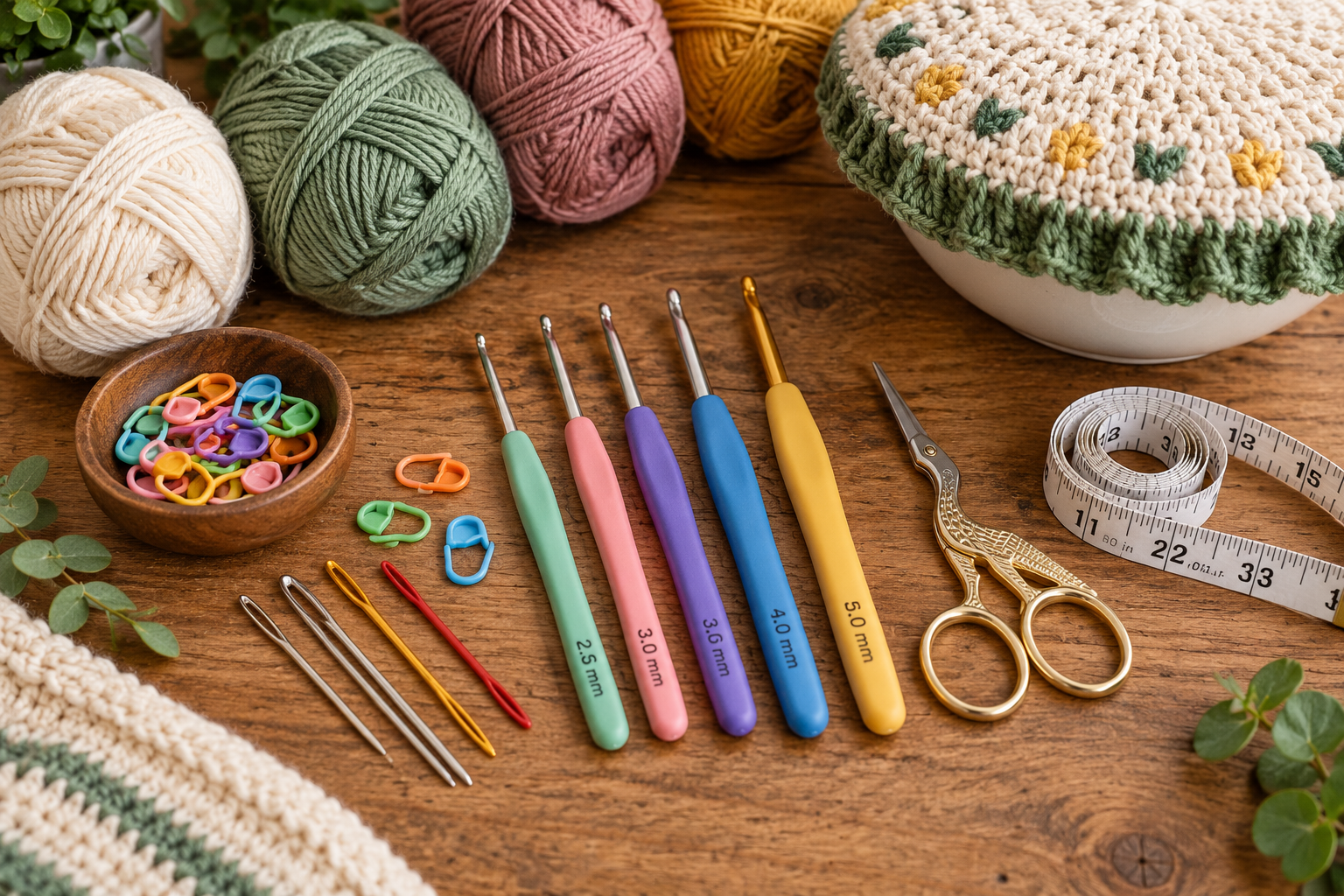
What tools and notions are essential for your project? Gathering the right supplies makes your crafting experience smooth and enjoyable. You will need a few basic items to create yourcrochet elastic-edge reusable bowl cover. These tools ensure precision and ease throughout the process. Here is a list of crucial items:
| Tool/Notion | Purpose/Notes |
|---|---|
| Crochet Hooks | Select a size appropriate for your chosen fiber. A 4.0mm (G-6) hook is a common starting point. |
| Yarn Needles | Also known as tapestry needles, these are for weaving in loose ends. |
| Stitch Markers | Help keep track of rounds and specific stitches, especially for beginners. |
| Scissors | Sharp craft scissors are needed for cutting yarn cleanly. |
| Measuring Tape | Essential for checking the dimensions of your cover and bowl. |
| Pins | Useful for holding the fabric band in place before stitching. |
Consider ergonomic hooks if you plan on extended crafting sessions. They can reduce hand fatigue. Furthermore, good quality tools last longer and perform better.
Understanding Basic Crochet Stitches for Bowl Covers
What basic crochet stitches are essential for crafting bowl covers? Mastering a few fundamental stitches will allow you to create beautiful and functional covers. These stitches form the foundation of most crochet projects. You will use them repeatedly. The single crochet (sc) stitch creates a dense, sturdy fabric. This is perfect for acrochet reusable bowl cover. It offers good coverage and durability. Furthermore, the half double crochet (hdc) stitch provides more height and a slightly looser texture. It works up faster than single crochet. Alternatively, the double crochet (dc) stitch creates an even taller stitch. This results in a more open fabric. It is excellent for quick projects. Practice these stitches to gain confidence. You will soon be crafting many covers.
Step-by-Step Guide to Crocheting Your Bowl Cover
How do you crochet your own bowl cover? Follow these steps to create a functional and attractive fabric lid for your dishes. This guide will walk you through each stage. You will produce a lovely item for your home.
Step 1: Create the Base Circle.Begin by making a magic ring. Work a specified number of single crochet stitches into this ring. This forms the center of your cover.
Step 2: Increase Rounds.Continue crocheting in rounds. Increase your stitches evenly in each round. This will create a flat circle. Ensure it matches the diameter of your bowl.
Step 3: Form the Side Wall.Once the base circle is complete, stop increasing. Crochet several rounds of single crochet stitches without increases. This creates the vertical side of the cover.
Step 4: Prepare the Edge.Turn your work. Crochet a round of half double crochet stitches into the back loops only. This forms a ridge for the fabric band.
Step 5: Attach the Fabric Band.Cut a strip of fabric. It should be wide enough to fold over. Sew this fabric strip around the edge of your crocheted piece. Create a channel for the cord.
Step 6: Insert the Drawstring.Thread a piece of cord or thin elastic through the fabric channel. Use a safety pin to guide it. Tie the ends securely. This allows for a snug fit.
This process results in a versatile and durable bowl topping. It is perfect for food storage.
Creating the Perfect Elastic Edge
How do you create the perfect flexible edge for your bowl topping? A well-made flexible rim ensures your cover fits snugly around various dish sizes. This crucial step provides both functionality and a polished look. It keeps food fresh inside your containers. First, select the right material for the band. A soft, stretchy fabric works best. Cotton jersey or a similar knit fabric offers good stretch. Measure the circumference of your crocheted piece. Cut a fabric strip slightly shorter than this measurement. This creates tension for a secure fit. Next, fold the fabric strip in half lengthwise. Press it firmly. Align the raw edges with the perimeter of your crocheted cover. Stitch the fabric band to the cover using a sewing machine or by hand. Leave a small opening. Thread a cord or thin rubber band through this channel. Overlap the ends and secure them. Finally, close the opening. This creates a neat finish.
Finishing Touches and Customization Tips
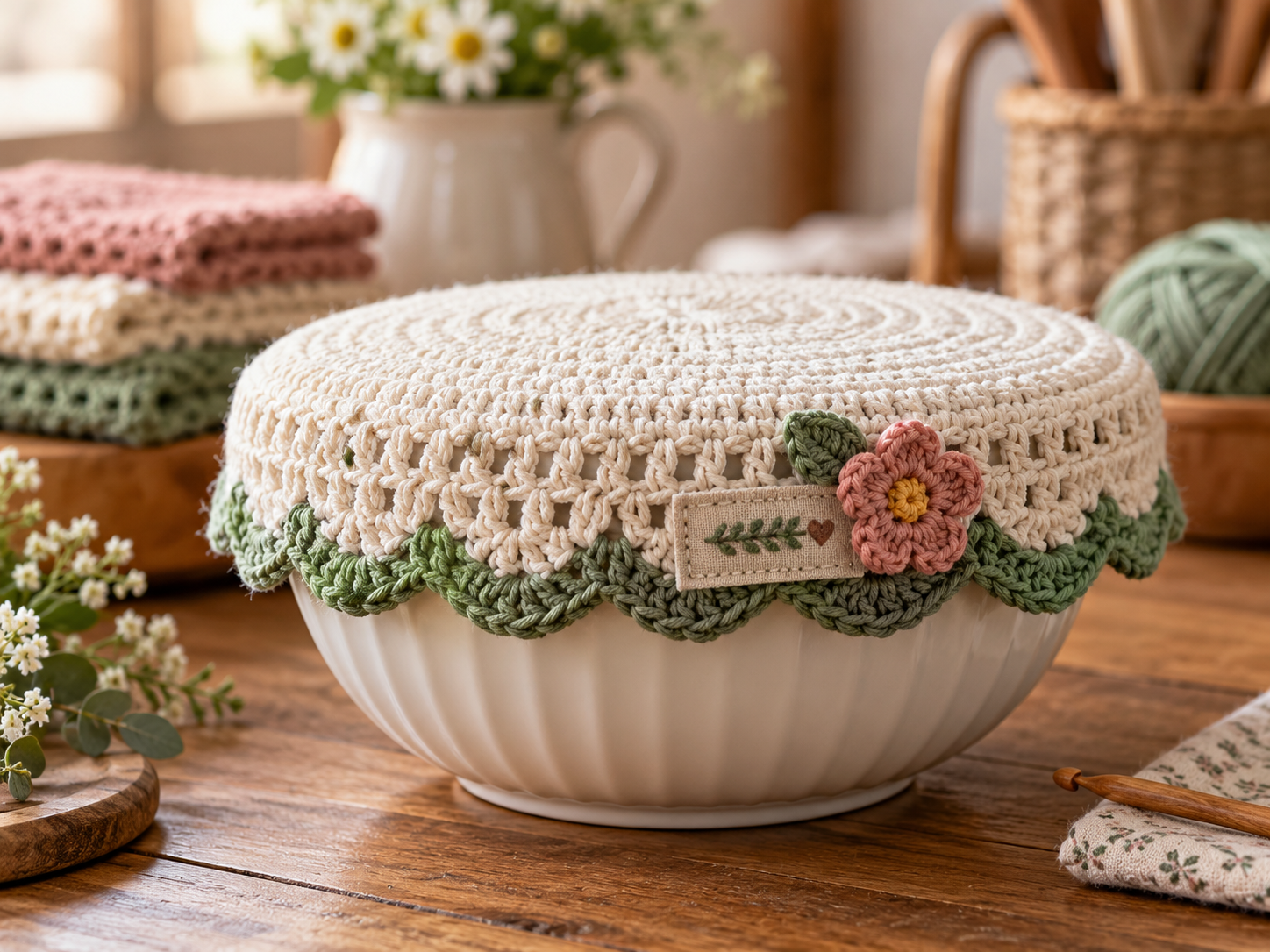
What final adjustments can you make, and how can you personalize your bowl topping? Adding thoughtful details and personal touches elevates your handmade item. These steps ensure your creation is both functional and uniquely yours. Consider adding a small fabric label. You can embroider your initials or a simple design onto it. This makes your cover truly special. Alternatively, you could sew on decorative buttons. Choose ones that complement your yarn color. Ensure they do not interfere with the cover’s function. To enhance durability, reinforce the stitching around the cord channel. This prevents fraying over time. You might also consider using different colored cords for various sizes. For instance, a blue cord for large dishes and a red cord for small ones. This helps with organization. You can even crochet small embellishments, like acrochet pumpkin keychainor a flower. Attach it to the side. This adds a charming decorative element.
Are Crochet Bowl Covers Food Safe? Important Considerations
Are these fabric bowl covers safe for your edible items? It is crucial to consider the materials used when making aCrochet Elastic-Edge Reusable Bowl Cover. The yarn and fabric choices directly impact their suitability for contact with meals. Always prioritize safety and hygiene. Choose yarn made from natural fibers like cotton or linen. These materials are generally safe for items that will be near edibles. Avoid synthetic fibers, as they might not be appropriate for such use. Furthermore, ensure your chosen yarn is undyed or uses non-toxic dyes. Consider adding a lining if you are concerned about direct contact. A thin, breathable fabric liner, like unbleached cotton, can create a barrier. This barrier protects your edibles from direct contact with the yarn. Regularly wash your fabric covers to maintain cleanliness.
Washing and Caring for Your Reusable Bowl Covers
How can you properly clean and maintain your crochet covers? Proper washing and care extend the lifespan of your handmade bowl coverings. This ensures they remain hygienic and beautiful for many years. Most crochet bowl toppers made from cotton are machine washable. Use a gentle cycle with cold water. Harsh detergents can damage the fibers. Instead, opt for a mild, eco-friendly soap. Avoid using bleach, as it can discolor your yarn. Air drying is best for these fabric items. Lay them flat on a clean towel. Reshape them gently while damp. This prevents stretching and maintains their form. Alternatively, you can tumble dry on a very low heat setting. Remove them promptly to prevent excessive wrinkling. For stubborn stains, pre-treat the spot. Use a small amount of stain remover. Always test it on an inconspicuous area first. Regular cleaning keeps your bowl coverings fresh. They will be ready for your next meal or gathering.
Beyond Bowls: Other Uses for Your Crochet Covers
Your handcrafted fabric coverings offer versatility beyond just dishes. What other creative applications can you find for yourCrochet Elastic-Edge Reusable Bowl Cover? These adaptable covers can organize various items around your home. Consider using them to cover small plant pots. This adds a decorative touch. It also helps retain moisture in the soil. Alternatively, they can neatly store craft supplies. Think about buttons, beads, or small skeins of yarn. The snug fit keeps everything contained. Furthermore, these coverings are excellent for travel. Use them to protect delicate items in your luggage. They can also keep snacks fresh in a picnic basket. You might even use a small one as a charmingcrochet phone bag patternalternative for certain accessories. Their soft texture prevents scratches.
FAQ: Crochet Elastic-Edge Reusable Bowl Covers
How do you crochet a bowl cover with an expandable edge?
First, create a flat circle that matches your bowl’s diameter. Next, work a few rounds in a contrasting stitch, like single crochet, without increasing. This forms the side wall. Finally, create a casing for the stretchy band by folding over the edge and stitching it down. Insert the band through this casing.
What yarn is best for crochet bowl covers?
Cotton yarn is ideal for these coverings. It is durable, washable, and breathable. Furthermore, cotton is absorbent, which helps to keep items fresh. Organic cotton options are also excellent for an eco-friendly choice.
Are crochet bowl covers safe for provisions?
Yes, crochet bowl covers are generally safe for provisions when made with appropriate materials. Choose cotton or cotton blend yarns. These fibers are natural and less likely to transfer unwanted chemicals to your stored items. Always wash your finished cover before its first use.
How do you wash and care for crochet bowl covers?
Machine wash your crochet bowl covers in cold water on a gentle cycle. Use a mild detergent. Air dry them flat to help maintain their shape. Alternatively, tumble dry on low heat. Avoid high heat, as it can damage the stretchy component.
Can I use different sizes of stretchy material for various bowl covers?
Absolutely. The size of the stretchy material should correspond to the circumference of your bowl. For smaller bowls, a narrower, less robust material works well. Larger bowls may require a wider, stronger band to ensure a snug fit. You can find many ideas for different sizes onPinterest.


