
Are you looking for an eco-friendly way to keep your floors spotless? Acrochet washable textured wet-and-dry sweeper mop padoffers a sustainable cleaning solution. This innovative pad is designed to fit most standard sweeper mops, providing excellent cleaning power. It effectively tackles both wet spills and dry dust, making it a versatile addition to your cleaning arsenal.
Creating your own reusable sweeper pad is a rewarding project. This crochet pad utilizes a unique textured stitch that enhances its cleaning capabilities. The pattern ensures durability and absorbency, perfect for everyday use. You can easily customize it with your favorite yarn colors and textures. Furthermore, its washable nature means you can reuse it countless times, reducing waste and saving money on disposable alternatives.
This guide will walk you through each step of the crochet process. You will learn the specific stitch techniques required to achieve the desired texture. We will also cover essential tips for choosing the right yarn for optimal performance. Get ready to transform your cleaning routine with this practical and environmentally conscious mop pad. Alternatively, consider making acrochet reusable textured loop stitch dusting mittfor other cleaning tasks.
Why Choose a Crochet Washable Mop Pad?
Choosing a crochet washable mop pad offers numerous benefits for your home and the environment. These handmade pads provide an effective alternative to disposable options. They are incredibly durable, standing up to countless uses and washes. This durability saves you money in the long run. Furthermore, crafting your own pad allows for customization. You can select the perfect yarn and adjust thesizeto fit your specific sweeper device, such as a Swiffer. The textured design, often incorporating a “puff” stitch, enhances its ability to trap dirt and debris. This makes keeping your floors spotless an easy task. Using a crochet pad also significantly reduces waste. You contribute to a greener planet by opting for reusable items. Each pad, made with a simple hook and repeatedrowconstruction, offers superior performance.
Benefits of Textured Crochet for Cleaning
How does textured crochet enhance your tidying efforts? The unique surface of a crochet washable textured wet-and-dry sweeper mop pad significantly boosts its effectiveness. The raised stitches create an ideal surface for grabbing and holding dust, pet hair, and grime. This means fewer passes are needed to achieve sparkling floors. Furthermore, the textured design increases the pad’s absorbency. It can soak up spills more efficiently than flat surfaces. This makes it perfect for both wet mopping and dry dusting tasks. The varied surface also helps to gently scrub away stubborn marks without scratching delicate floor finishes. This enhanced grip and absorption make your tidying routine quicker and more thorough. You will notice a remarkable difference in how easily dirt is picked up. Consider making anelastic-edge reusable bowl coverfor other practical crochet projects.
Eco-Friendly and Cost-Effective Cleaning
You can achieve environmentally sound and economical tidying by choosing a handmade sweeper pad. This approach significantly reduces household waste. Instead of buying disposable refills, you reuse your crafted pad repeatedly. This choice lessens your environmental footprint. Opting for a reusable pad also provides substantial financial advantages. You eliminate the recurring expense of purchasing single-use products. Over time, these savings add up considerably. This makes the initial effort of creating the pad a worthwhile investment. Furthermore, these pads are robust and long-lasting. They withstand frequent laundering without losing their efficacy. This durability ensures a reliable accessory for maintaining spotless floors. You contribute to a healthier planet while also managing your budget wisely.
Selecting the Best Yarn for Your Sweeper Mop Pad
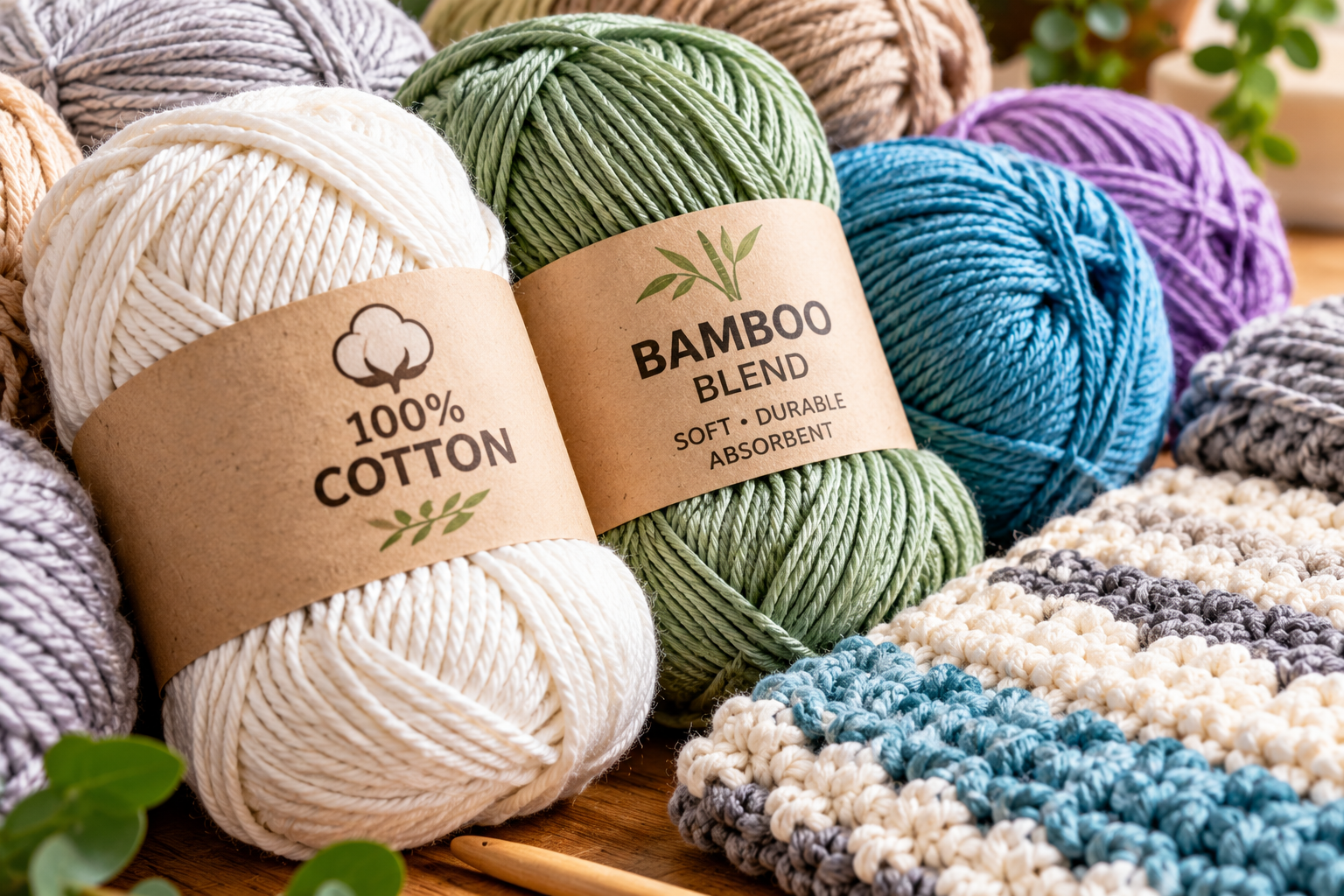
The best fiber for yoursweeper mop accessoryensures durability and absorbency. Opt for natural fibers like cotton or bamboo. These materials are highly absorbent, making them ideal for both wet and dry applications. They also withstand frequent washing without degrading. Consider a blend of cotton and synthetic fibers for added strength. This combination offers the best of both worlds: natural absorbency and enhanced resilience. Avoid delicate fibers that might not stand up to rigorous scrubbing. Your choice directly impacts the item’s effectiveness. Furthermore, select a medium-weight fiber. This weight provides enough bulk for effective dirt collection without being too heavy. A robust fiber ensures your handmade home helper lasts a long time.
Ideal Yarn Fibers for Wet-and-Dry Use
What are the ideal yarn fibers for a wet-and-dry sweeper accessory? Choosing the right fiber is crucial for creating an effective and long-lasting crochet washable wet-and-dry sweeper mop accessory. Cotton is often the top recommendation due to its exceptional absorbency. It readily soaks up liquids and traps dry debris efficiently. Additionally, consider using bamboo fiber. This sustainable option offers similar absorbent qualities to cotton, along with natural antimicrobial properties. Both cotton and bamboo are robust enough to endure repeated washing and vigorous scrubbing. This ensures your item remains effective over time. You might also explore blends that combine natural fibers with a small percentage of synthetics. Such blends can enhance durability and reduce drying time. However, always prioritize natural options for maximum absorbency and environmental friendliness.
Yarn Weight and Durability Considerations
What yarn weight best ensures durability for your crochet washable wet-and-mopping accessory? The weight of your chosen fiber significantly impacts the item’s longevity and performance. Opting for a medium to bulky weight, typically Aran (Worsted) or Chunky (Bulky), provides the necessary substance. This density allows the accessory to withstand vigorous scrubbing and frequent use without quickly wearing out. Thicker fibers also create a more substantial surface. This enhanced bulk improves its ability to capture dirt and dust effectively. A robust construction means yourreusable sweeper itemwill maintain its integrity through countless tidying sessions. Consider the ply of the fiber as well. Tightly plied yarns are generally more durable and less prone to pilling. This characteristic contributes to a longer-lasting and more efficient cleaning tool.
Crochet Stitches for Superior Cleaning Power
Which crochet stitches offer superior tidying capabilities? Selecting the right stitch patterns is crucial for crafting an effective item that tackles messes with ease. Stitches that create a dense, knobby surface are ideal for maximizing friction and capturing particles. This design ensures thorough removal of grime from surfaces. Consider thewaffle stitchfor its excellent scrubbing ability. Its raised pattern creates pockets that trap dirt and absorb liquids efficiently. Similarly, the bobble stitch or puff stitch provides significant surface area and dimension. These stitches are perfect for dislodging stubborn spots. Alternatively, the loop stitch forms soft, absorbent loops. These loops excel at picking up fine debris and polishing surfaces. Combining several of these powerful stitches can create a versatile tool. This combination will handle various tidying tasks effectively.
Textured Stitches for Enhanced Dirt Pickup
What stitches offer enhanced dirt pickup for your crocheted cleaning accessory? Utilizing specific stitch patterns can significantly boost the friction and grabbing power of your item. This improved surface agitation helps lift and secure more debris from surfaces. For example, the popcorn stitch creates distinct bumps. These small protrusions excel at scrubbing away stuck-on grime. Similarly, the berry stitch offers a raised, nubbly surface. This design helps in dislodging particles effectively. You might also consider the crab stitch, also known as reverse single crochet. This stitch creates a firm, rope-like edge that can be excellent for light scrubbing. Furthermore, combining these dimensional stitches with tighter ones, like single crochet, provides a balanced structure. This balance ensures both abrasive power and stability.
Designing Your Crochet Mop Pad: Size and Fit
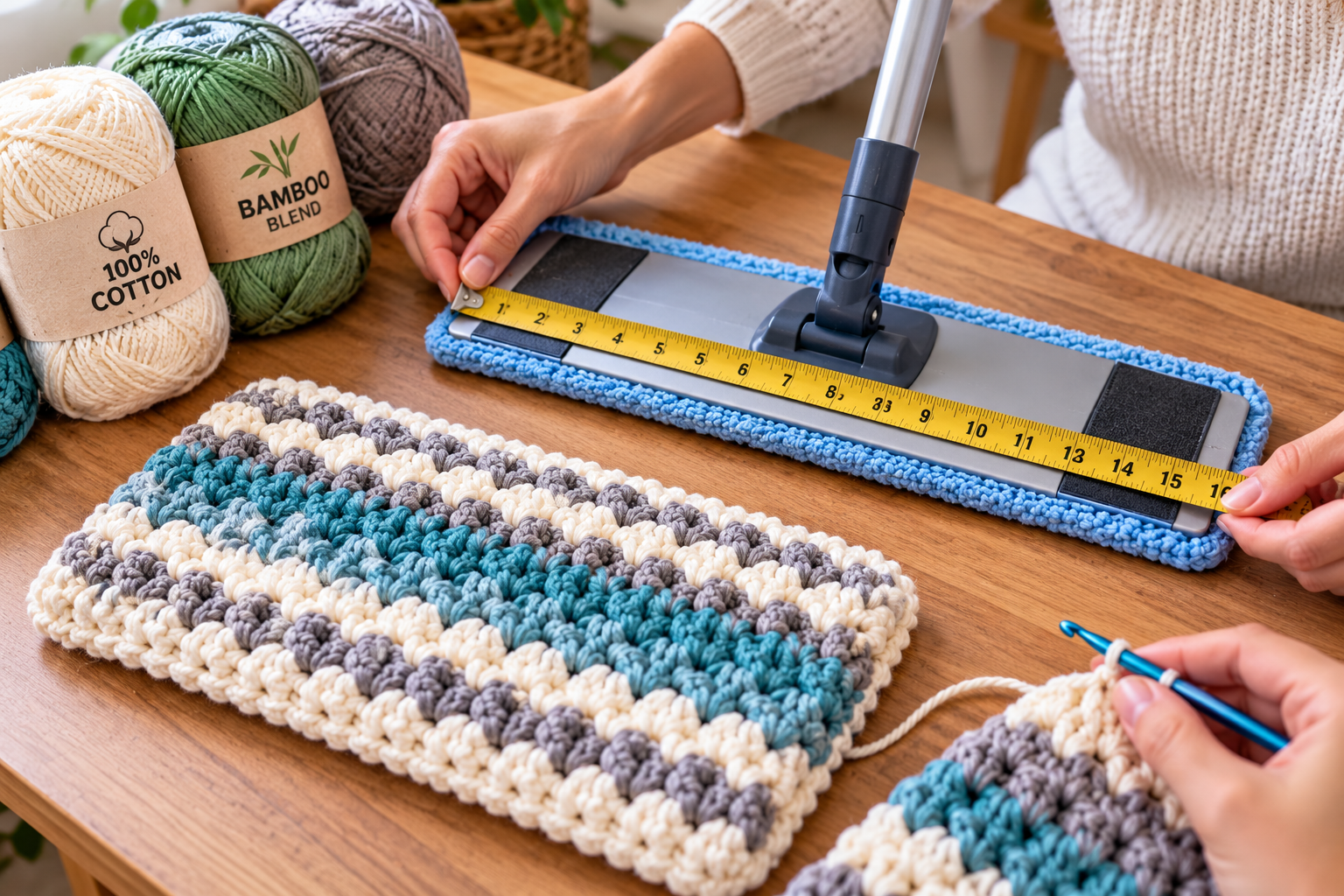
How do you ensure your crocheted mopping accessory fits perfectly and performs effectively? Proper sizing and a secure fit are essential for any homemade tidying tool. A well-designed item will attach easily to your existing mop handle. It will also cover the entire surface for optimal tidying. First, measure your mop head carefully. Note its length and width. This measurement ensures yourcrochet washable wet-and-mopping accessoryis neither too small nor too large. A snug fit prevents the item from slipping off during use. Consider adding elastic or button closures for extra security. These features help the item stay in place. Alternatively, create a sleeve design that slides over the mop head. This design offers a seamless and secure attachment. You can find inspiration for various closure methods on platforms likePinterest.
Step-by-Step Guide to Crocheting Your Mop Pad
Step-by-Step Guide to Crocheting Your Mop Pad
How do you create your own crocheted cleaning item? Crafting this practical accessory involves a few straightforward actions, from selecting your materials to finishing the piece. Follow these instructions carefully for the best outcome.
Step 1: Gather Your Supplies.You will need cotton yarn, a crochet hook appropriate for your yarn weight, scissors, and a tapestry needle. Cotton is ideal for absorbency and durability.
Step 2: Create a Foundation Chain.Begin by making a chain that matches the width of your existing cleaning tool. Ensure it is long enough to cover the surface.
Step 3: Work the Body.Use your chosen pattern, such as the waffle or bobble design, across the foundation chain. Continue working in rows until the piece reaches the desired length.
Step 4: Form the Attachment.If your design includes a sleeve, fold the crocheted fabric and seam the sides. For button closures, create buttonholes on one side and attach buttons to the other.
Step 5: Finishing Touches.Weave in all loose ends with your tapestry needle. This creates a neat and professional appearance. Your new scrubbing accessory is now ready for use.
Caring for Your Washable Crochet Mop Pad
How do you properly maintain your handmade cleaning accessory? Correct care ensures its longevity and continued effectiveness for tidying. Following simple laundering guidelines will keep your item fresh and ready for many uses. Wash your washable item regularly to remove accumulated debris. Machine washing on a gentle cycle with cold water is ideal. Use a mild detergent to protect the fibers. Avoid harsh chemicals or bleach, as these can damage the yarn. Air-drying is best for these fabric tools. Lay the item flat or hang it to retain its shape. High heat from a machine dryer can cause shrinkage or damage. Furthermore, proper drying prevents mildew growth.
Machine Washing and Drying Instructions
How do you correctly machine wash and air-dry your handmade cleaning tool? Proper laundering extends the life of your scrubbing accessory and maintains its efficiency. Following these instructions will keep your item in excellent condition.
Step 1: Prepare for Washing.Shake off any loose dirt or debris from the fabric tool before placing it in the washing machine. This prevents grime from recirculating onto the item.
Step 2: Use Cold Water and Mild Detergent.Wash the item on a gentle cycle using cold water. Add a small amount of mild, eco-friendly detergent. Avoid fabric softeners, as they can reduce absorbency.
Step 3: Avoid Bleach and Harsh Chemicals.Never use bleach or strong chemical cleaners. These substances can weaken the fibers and cause discoloration, shortening the lifespan of your accessory.
Step 4: Air-Dry Thoroughly.After washing, reshape the item gently and lay it flat on a clean surface or hang it to air-dry. Direct sunlight or a clothesline works well. Do not use a machine dryer, as high heat can cause shrinkage or damage to the fabric.
Step 5: Store Properly.Once completely air-dried, store your fabric tool in a well-ventilated area. This prevents mildew and keeps it fresh for its next use.
Troubleshooting Common Mop Pad Issues
Do you encounter problems with your handmade cleaning accessory? Addressing common issues ensures your item remains effective and durable. Understanding how to fix these minor setbacks will enhance your tidying experience. If your fabric tool loses its shape, gently stretch it back while damp. Air-drying it flat can help maintain its original form. Alternatively, if it seems less absorbent, ensure you are not using fabric softener during laundering. Fabric softeners can coat the fibers and reduce their ability to soak up liquids. Sometimes, the fabric might show wear or fraying. Trim any loose threads carefully to prevent further unraveling. For persistent issues, consider reinforcing the edges with an extra row of single fabric work. This simple step can extend the life of your scrubbing accessory significantly.
FAQ About Crochet Washable Textured Wet-and-Dry Sweeper Mop Pads
How do I make a washable item for a cleaning tool?
You can create a washable item for your cleaning tool by following a specific pattern. Start with a foundation chain, then work in rounds or back and forth. You will use various techniques to create an absorbent surface. For a similar project, consider making acrocheted sweeper accessory.
What fiber is best for a handmade absorbent accessory?
Cotton fiber is ideal for a handmade absorbent accessory. It offers excellent absorbency and durability. Furthermore, cotton stands up well to frequent washing. This makes it perfect for a versatile cleaning attachment.
Are handmade fabric attachments effective for tidying surfaces?
Yes, handmade fabric attachments are very effective for tidying surfaces. Their unique construction captures debris and spills efficiently. Many users find them comparable to, or even better than, disposable alternatives for various tasks.
Can I machine launder a crafted fabric attachment?
You can machine launder a crafted fabric attachment. Use cold water and a gentle cycle. Avoid fabric softeners, as these can reduce absorbency. Lay flat to air or tumble on low heat for best results.
How long do crafted fabric attachments typically last?
Crafted fabric attachments typically last for many months, even years, with proper care. Their longevity depends on the fiber quality and frequency of use. You can extend their life by avoiding harsh chemicals and excessive heat when laundering.


