
Are you searching for a practical and attractive kitchen accessory? This guide will show you how tocrocheta double-thick square potholder. A double-thick square potholder is a robust, heat-resistant mat crafted from yarn, designed to protect surfaces and hands from hot dishes. Its construction ensures superior insulation compared to single-layer designs.
Thispatternis perfect for both beginners and experienced crafters. You will create a durable and effective potholder using simple techniques. We focus on achieving a substantial, thick fabric that offers excellent protection.
You will primarily use the single crochet stitch, making this aneasyproject to follow. The resulting item will be incredibly sturdy. This makes it ideal for handling hot pots and pans straight from the oven or stovetop. We will walk you through each step, ensuring your finished potholder is both functional and aesthetically pleasing.
Choosing the rightyarnis crucial for this project. Cotton yarn is highly recommended due to its heat resistance and absorbency. Are you ready to create a reliable kitchen essential? Let’s begin crafting your new favorite square potholder.
Why Choose a Double-Thick Pot Holder?
Adouble-thickpot holder offers superior protection compared to its single-layer counterparts. Its enhanced insulation safeguards your hands and surfaces from extreme heat. This makes it an essential tool for any cook. These hot pads are incredibly sturdy. The extra layers prevent heat transfer effectively. You can confidently handle scorching dishes without worry. Furthermore, they feature a convenientloopfor easy hanging and storage. The construction often involves a special technique like the thermal stitch. This stitch creates a dense, protective fabric. Using a suitablehookwith worsted weight cotton yarn further enhances its protective qualities. Many designs also include a simple row repeat, making them enjoyable to craft. You can find a helpfulvideo tutorialto guide you through the process. These items are also machine washable, ensuring easy care and long-lasting use.
Essential Materials for Your Pot Holder Project
To begin yourcrochet double-thick square pot holderproject, you will need a few key items. Gathering these supplies beforehand ensures a smooth crafting experience. The right materials make a significant difference in the final product’s quality and functionality. You will primarily need cotton fiber and a suitable hook. Cotton is highly recommended for its heat resistance and absorbency. It prevents melting and provides excellent insulation. Consider selecting a vibrant color to add a pop to your culinary space. Here is a list of the essential materials:
| Material | Description |
|---|---|
| Cotton Yarn | Approximately 100-120 yards. Choose a medium-weight (size 4) cotton fiber. |
| Crochet Hook | Size H (5.0 mm) is ideal for achieving a dense fabric. |
| Yarn Needle | For weaving in loose ends neatly. |
| Scissors | For cutting the fiber. |
| Stitch Marker (Optional) | Helpful for marking the beginning of rows, especially for beginners. |
These items are readily available at craft stores. Selecting quality materials will ensure your finished item is both beautiful and long-lasting.
What Yarn Works Best for Crochet Potholders?
For crochet pot holders, plant-based fibers are generally the best choice due to their heat-resistant properties. These fibers will not melt when exposed to high temperatures. This is crucial for safety when handling hot items. Acrylics and other synthetic blends should be avoided. They can melt under intense heat, posing a burn risk. Always check the fiber content of your chosen material. Natural fibers like bamboo or hemp are also excellent alternatives. Consider using adouble thickconstruction for enhanced protection. This adds an extra layer of insulation. Furthermore, a dense stitch pattern contributes to a more effective heat barrier. Ultimately, a natural, resilient fiber ensures your creation is both safe and effective.
Recommended Hook Sizes and Notions
The best hook sizes and notions ensure your project is both functional and aesthetically pleasing. A size H (5.0 mm) hook is typically recommended for creating a dense, protective fabric. This size helps achieve the desired firmness for a reliable heat barrier. Using a smaller hook can result in a stiffer product, while a larger one might yield a looser weave. Other essential tools include a yarn needle for weaving in ends. Sharp scissors are also crucial for clean cuts. A stitch marker can be very helpful, especially if you are new to crafting. It marks the start of each round, preventing errors. These simple items contribute significantly to a successful crafting experience.
| Tool/Notion | Purpose |
|---|---|
| Crochet Hook (H/5.0 mm) | Creates a tight, protective fabric. |
| Yarn Needle | Weaves in loose ends for a neat finish. |
| Scissors | Cuts fiber cleanly. |
| Stitch Marker | Helps keep track of rows/rounds. |
Are Potholders Hard to Crochet?
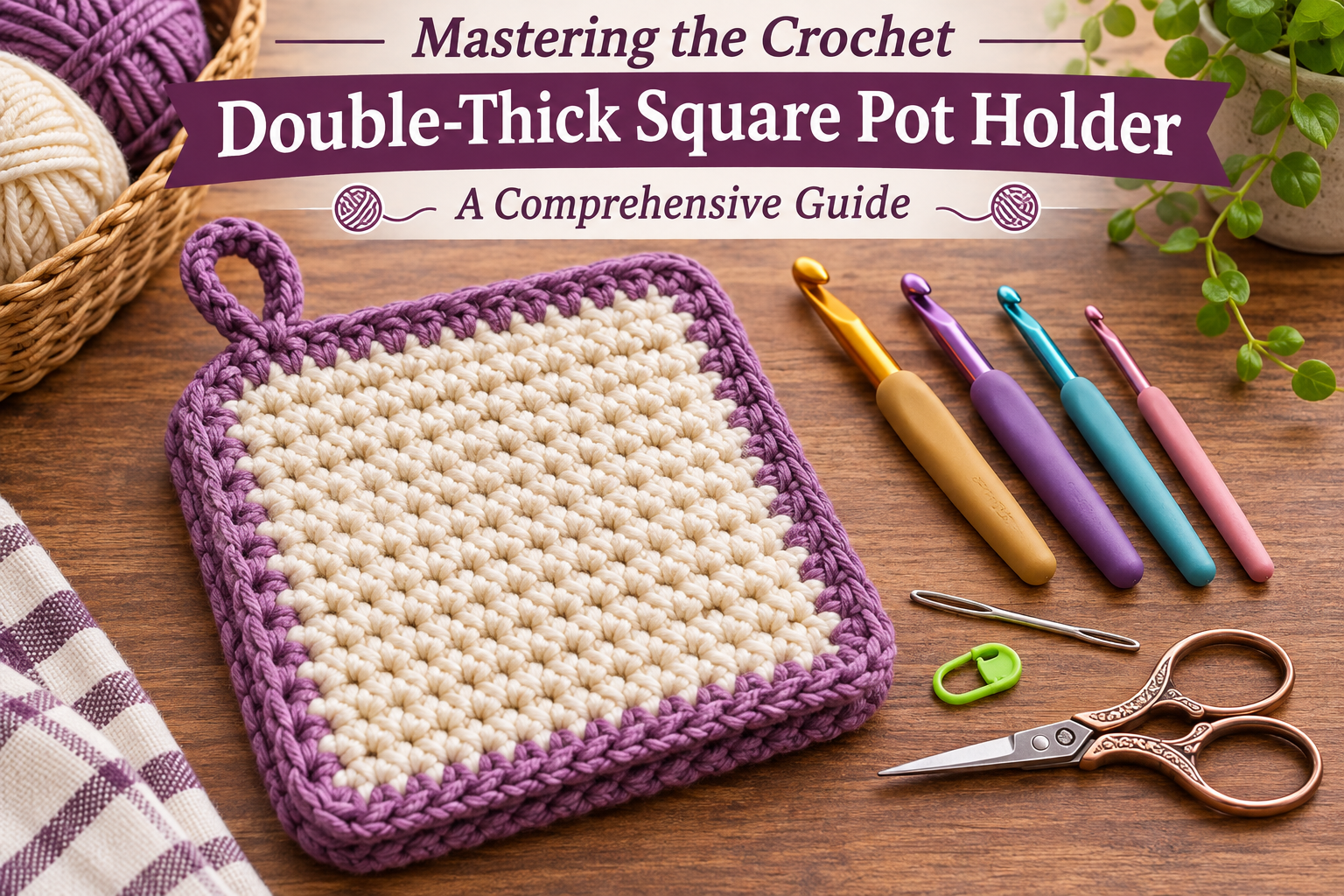
Crafting these items is generally not difficult, even for those new to the art. Many patterns for acrochet double-thick square pot holderutilize basic techniques. You will primarily use fundamental loops and simple repetitions. This makes them an excellent project for practicing your skills. Beginners can easily follow along with clear instructions. Learning to make a square piece helps build confidence. Furthermore, the repetitive nature of the craft can be quite relaxing. You will quickly master the necessary movements.
Understanding the Double-Thick Construction
Double-layer construction provides superior heat resistance and protection for your hands. This method involves creating two separate fabric panels that are then joined together. The dual layers trap air, which acts as an insulating barrier against hot surfaces. This design significantly enhances the item’s functionality. It makes the finished piece much more effective than a single-layer alternative. Consequently, you gain greater confidence when handling hot pots and pans. This construction method also adds to the item’s overall longevity.
What is the Best Stitch for Crochet Potholders?
The best technique for these protective items creates a dense, insulating fabric. Single crochet (SC) is often favored for its tight texture. This density prevents heat from passing through easily. Consequently, your hands remain safe from hot surfaces. Another excellent option is the half double crochet (HDC). It offers slightly more flexibility than SC while maintaining good density. For even greater insulation, consider incorporating awaffle pattern. This creates a beautifully textured and extra protective surface. Ultimately, the ideal method minimizes gaps in the fabric. This ensures maximum heat resistance. Combining these methods with a double-layer design offers optimal safety.
Special Stitches for Extra Loft and Durability
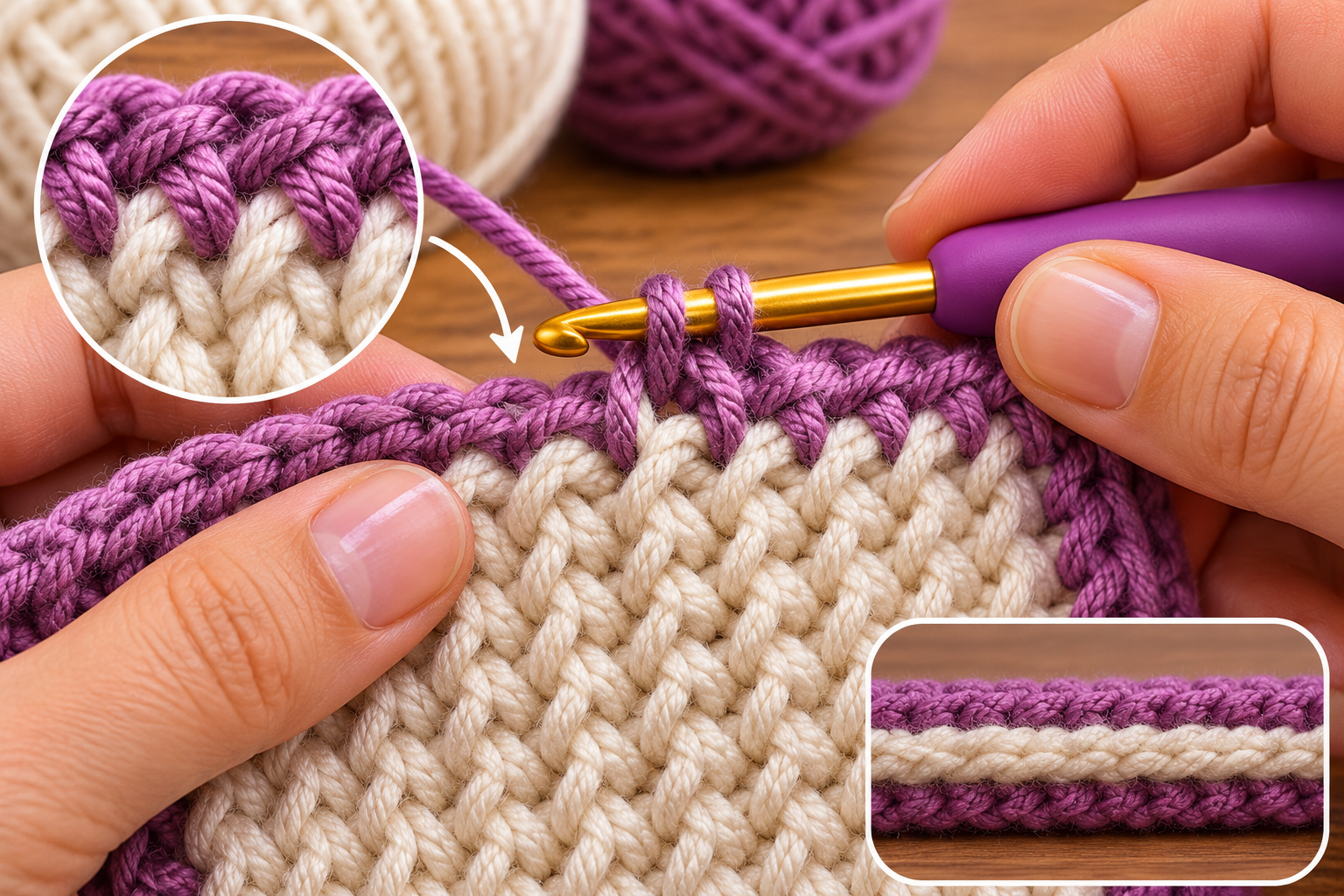
Special interlocking patterns can significantly enhance the insulating properties and lifespan of your crafted items. The thermal single crochet (TSC) is a prime example. It works by inserting the implement into both the current and previous row’s post. This creates a remarkably dense and protective fabric. Alternatively, consider the waistcoat technique. It produces a knit-like appearance and a very firm texture. This method involves inserting the implement into the center of the post, rather than under the top two strands. Both options provide exceptional protection against heat. They also ensure your creation withstands frequent use, making it a reliable tool for any home cook.
Double Thick Crochet Potholder Pattern: Step-by-Step
Crafting a double-layer protective item involves several distinct stages. You will create two identical panels and then join them together. This process ensures maximum insulation and longevity for your finished piece.
Step 1: Gather Your Supplies.Select a sturdy fiber, such as a blend suitable for heat resistance. You will also need an appropriate implement and a pair of scissors.
Step 2: Create the First Panel.Begin by forming a foundation chain. Work your chosen dense pattern, like the half double technique, across each row. Continue until the piece reaches your desired dimensions.
Step 3: Fashion the Second Panel.Repeat Step 2 exactly. Ensure both fabric pieces are identical in size and tension. This consistency is crucial for a neat finish.
Step 4: Join the Panels.Place the two pieces together, aligning all edges. Use a slip method or a tapestry needle to seamlessly connect them. You can also incorporate a decorative border at this stage.
Step 5: Add a Hanging Feature (Optional).If desired, create a small chain and attach it to one corner. This allows for easy storage and accessibility in your cooking area.
Step 6: Finish and Secure.Weave in any loose ends using your tapestry needle. Trim excess material for a clean, professional appearance.
Are Potholders Quick to Crochet?
Crafting protective items can indeed be a relatively quick project, especially for experienced crafters. The actual time depends on several factors. These include your skill level, the intricacy of the chosen pattern, and the size of the final item. Simple designs, like a basiccrochet sweater keychain, can be completed in an hour or two. Larger or more complex patterns, such as aweighted couch armrest organizer, will naturally take longer. However, even adouble-layer dutch oven handle gripcan be finished in a single afternoon. This makes them ideal for quick gifts or adding functional flair to your home.
Tips for Perfecting Your Pot Holders
Achieving flawless protective items involves careful attention to detail and a few clever techniques. Do you want your creations to look polished and perform perfectly? Consider using a slightly smaller implement than suggested for your chosen fiber. This creates a denser fabric, enhancing its heat-resistant properties. Maintain consistent tension throughout your work. Uneven tension can lead to a wavy or distorted shape. Block your finished pieces to achieve a perfectly flat form. Simply wet the fabric, gently reshape it, and let it air dry. Furthermore, exploring different textures can elevate your design. Try awaffle patternfor added visual interest and insulation.
FAQ: Crochet Double-Thick Square Pot Holder
How do you make a double-layer hot pad?
You create a double-layer hot pad by working two identical panels. You then join these panels together using a border technique. This method enhances insulation and heat resistance, making the item more functional. Furthermore, it creates a neat, finished edge.
What is the best fiber for a double-layer hot pad?
The optimal fiber for a double-layer hot pad is natural, unmercerized plant fiber. This material offers excellent heat resistance and absorbency. Avoid synthetic fibers, as they can melt when exposed to high temperatures. A good choice ensures safety and longevity.
How do you make a handmade hot pad more substantial?
To make a handmade hot pad more substantial, consider using a smaller implement size than suggested for your chosen fiber. Alternatively, you can incorporate dense techniques like the waistcoat technique or the half-double technique worked in the third horizontal bar. Doubling the fabric by creating two panels and joining them also adds considerable bulk.
What technique creates a substantial handmade hot pad?
The waistcoat technique is excellent for creating a substantial handmade hot pad. This method involves inserting your implement into the center of the post of the previous row’s creation, rather than under the top two strands. This creates a dense, interlocked fabric. Consequently, it offers superior heat protection.
Can I clean my double-layer hot pad in a washing machine?
Yes, you can clean your double-layer hot pad in a washing machine. For best results, wash it with similar colors on a gentle cycle using cold water. You can tumble dry it on a low setting or lay it flat to air dry. For more general care tips, you can refer to external resources likecleaning guides for handmade items.


