
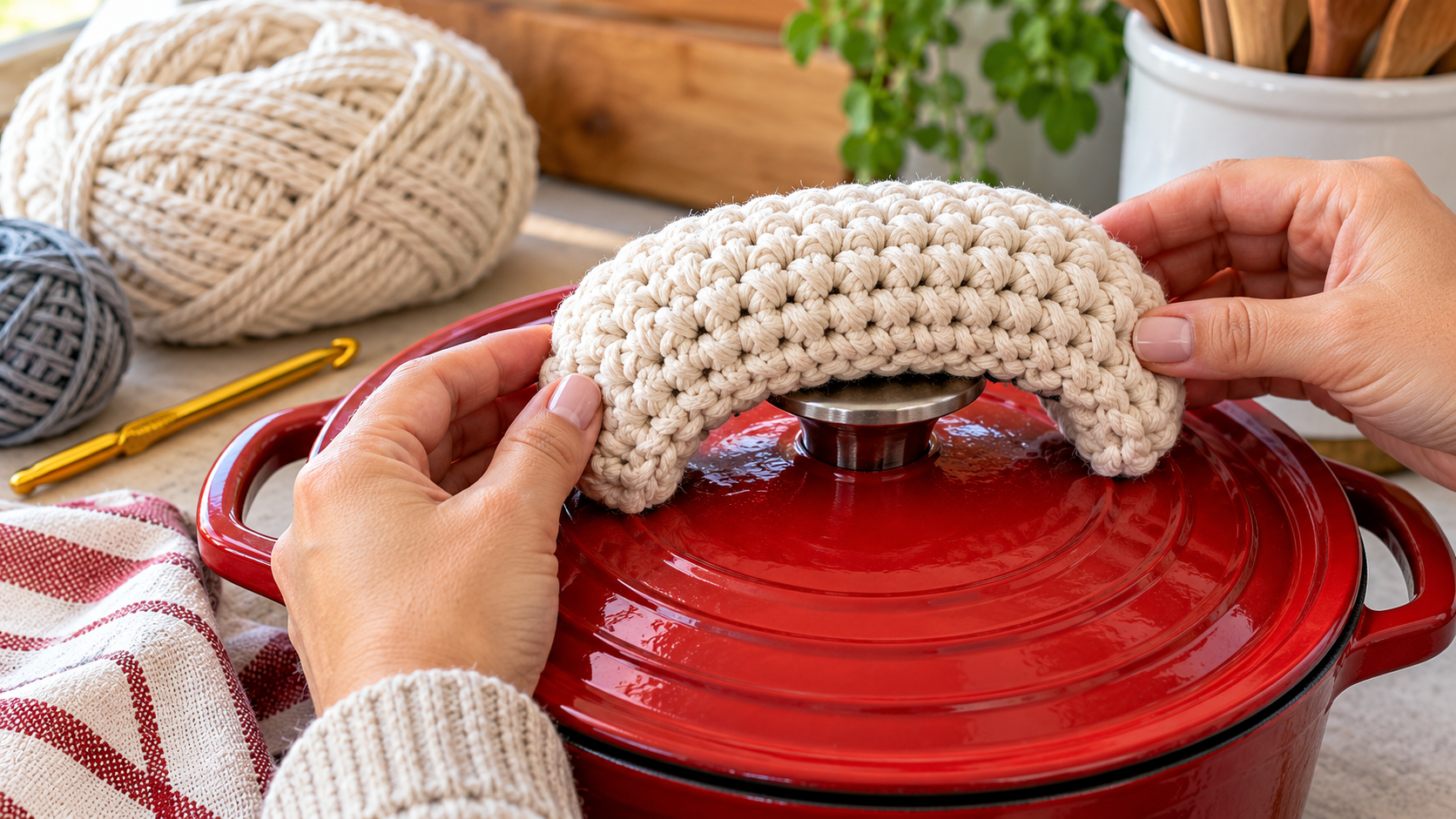
Do you love cooking with yourdutch ovenbut hate the burning hot handle? ACrochet Double-Thick Cotton Dutch Oven Lid Handle Gripis the perfect solution. This clever accessory provides a protective, insulated covering for your dutch oven’s lid handle. It ensures you can safely lift the lid without discomfort.
Thiscrochetpatternusescottonyarnto create adouble thickfabric. This robust construction offers superior heat resistance compared to thinner alternatives. You can confidently transfer your pot from the stove to the oven, or even to the table. The secure grip prevents slips and spills.
Forget fumbling with oven mitts or towels that can easily slide off. This custom-fit handle grip stays firmly in place. It makes handling your hot dutch oven a breeze. Furthermore, it adds a charming, handmade touch to your kitchen decor. Are you ready to enhance your cooking experience?
Why a Double-Thick Cotton Grip is Essential for Your Dutch Oven
A double-thick cotton grip is essential for your dutch oven because it provides unmatched safety and comfort when handling hot cookware. The unique construction of thiscrochetaccessory offers superior insulation. This protects your hands from intense heat. Using adouble thickdesign ensures maximum heat resistance. This is crucial when lifting a hot lid from yourpotorskillet. This particularpatternuses sturdy cottonyarn, known for its heat-resistant properties. The densestitchwork creates a protective barrier. This handlecozyis more reliable than standard oven mitts. It stays securely on the handle, preventing slips. You can find afree patternto make thiseasyand practical grip. Follow thetutorialfor a perfect fit.
Choosing the Best Yarn for Heat Resistance and Durability
Choosing the best yarn for heat resistance and durability involves selecting fibers that can withstand high temperatures without melting or scorching. Cotton yarn is an excellent choice for aCrochet Double-Thick Cotton Dutch Oven Lid Handle Grip. It naturally resists heat and is highly durable. Look for 100% cotton yarn when making yourcozy. Synthetic fibers like acrylic can melt when exposed to the heat of apot. Thepatternoften specifies a worsted weight cotton. This provides the necessary bulk for adouble thickdesign. A tightstitch, such as half double crochet (hdc), enhances the grip’s protective qualities. This dense fabric creates a strong barrier against heat from yourcast ironcookware. Ensure your chosenyarnis machine washable. This allows for easy cleaning of yourcrochethandle accessory.
Understanding the Double-Thick Crochet Technique
The double-thick crochet technique creates a dense, protective fabric, ideal for items like aCrochet Double-Thick Cotton Dutch Oven Lid Handle Grip. This method essentially involves working two layers of fabric simultaneously or joining them together. This ensures superior insulation against heat. It makes the grip much safer to use. You often achieve this by working in continuousroundsor by folding a single piece of fabric. The specificpatternwill guide you. Eachstitchcontributes to the overall thickness. For example, some designs involve crocheting two identical pieces and then joining them with aslip stitch(sl st) around the edges. Alternatively, you might work the initialloopsof aroundand then immediately work anotherroundinto those sameloops. This builds up the double layer. This technique significantly enhances the heat resistance needed for a hotpothandle.
Step-by-Step Guide to Crocheting Your Dutch Oven Lid Handle Grip
Are you ready to create your own protective handle cover? Follow these steps to crochet a durableCrochet Double-Thick Cotton Dutch Oven Lid Handle Grip. This guide ensures your finished piece will be both functional and attractive. It will protect your hands from a hot pot.
Step 1: Gather Your Materials.You will need cotton yarn, a crochet hook (typically H/5.0mm), scissors, and a yarn needle. Confirm your yarn is 100% cotton for heat resistance.
Step 2: Create the Base Chain.Start with a slip knot and chain the required number of stitches. This will form the length of your handle grip. Consult your chosen pattern for the exact count.
Step 3: Work the First Layer.Begin crocheting in rows or rounds, depending on the pattern. Use stitches like half double crochet (hdc) to create a dense fabric. This forms the initial protective layer.
Step 4: Form the Second Layer.Many patterns instruct you to fold the work or crochet two identical pieces. Then, you will join them together. This creates the essential double thickness.
Step 5: Add Finishing Touches.Weave in any loose ends with your yarn needle. Some designs include a loop or button for securing the grip to the lid handle. Ensure all edges are neatly finished for durability.
Getting Started: Materials and Tools You’ll Need
To begin yourCrochet Double-Thick Cotton Dutch Oven Lid Handle Gripproject, you need specific items. Selecting the correct materials is crucial for both safety and durability. Furthermore, having the right tools on hand will make your crafting process smoother. This ensures your handle cover effectively protects against heat. Here are the essential materials and tools for this project:
| Item | Description/Purpose |
|---|---|
| 100% Cotton Yarn | Choose a worsted weight (medium #4) for optimal heat resistance and sturdiness. Avoid synthetic fibers. |
| Crochet Hook | A size H/5.0mm hook is commonly recommended, but check your pattern for specific sizing. |
| Scissors | Sharp scissors are necessary for cutting yarn tails and finishing your work neatly. |
| Yarn Needle (Tapestry Needle) | Used for weaving in loose ends, creating a clean and professional finish. |
| Stitch Markers (Optional) | Helpful for marking the beginning of rows or specific stitches, especially for beginners. |
These items will provide a strong foundation for your handmade handle protector.
The Crochet Pattern: Stitches and Rows Explained
Understanding the stitches and how to form rows is essential for creating yourCrochet Double-Thick Cotton Dutch Oven Lid Handle Grip. This pattern primarily uses basic techniques, making it accessible for many crafters. You will build a sturdy fabric that offers excellent heat protection. The foundation of this project often involves a chain stitch (cs). You will create a series of interconnected loops. This forms the starting edge of your handle cover. Next, you will typically work into these chains using single crochet (sc) or half double crochet (hdc). These stitches create a dense and compact fabric. You will work the design in straight rows, turning your work at the end of each line. This technique builds up the length of the handle cover. The double thickness comes from either folding a single piece or joining two identical pieces together. This ensures maximum insulation.
Finishing Touches: Securing and Personalizing Your Grip
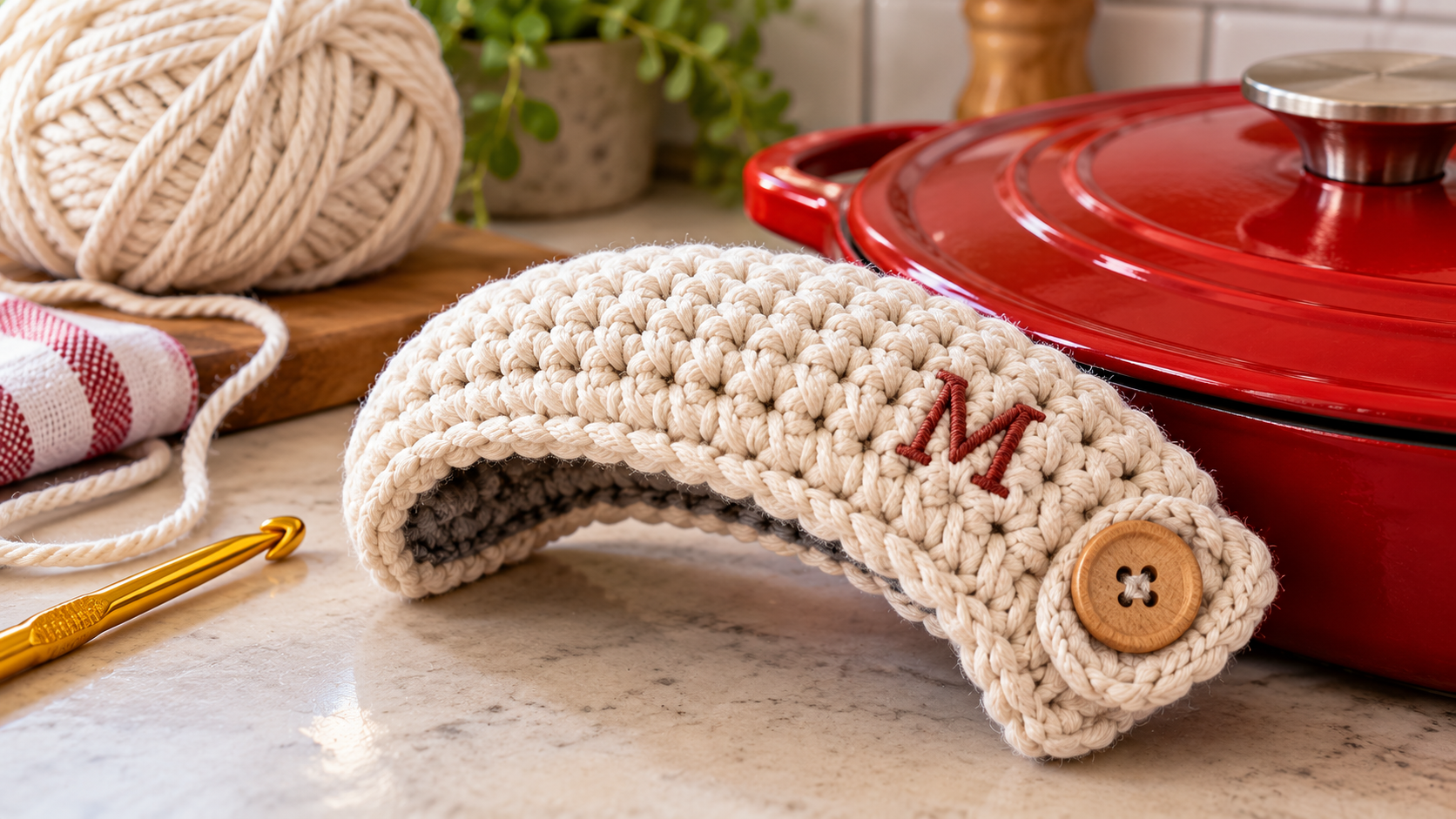
Securing and personalizing your handle protector ensures it is both functional and uniquely yours. These final steps are important for durability and aesthetic appeal. You can add special elements to make your kitchen accessory stand out. First, weave in all remaining yarn tails using your yarn needle. This creates a clean finish and prevents unraveling. A well-secured handle cover will last longer. Consider adding a button or a small tie to keep the protector firmly in place on the utensil’s handle. This prevents it from slipping during use. Furthermore, personalize your creation. You can embroider initials or a small design onto the fabric. Alternatively, choose a vibrant yarn color that complements your kitchen decor. These small details transform a simple accessory into a cherished item.
Beyond the Basics: Customizing Your Handle Grip Design
You can customize your handle protector design in many ways, moving beyond standard patterns to create truly unique kitchen accessories. Consider altering the basic construction to suit different utensil handles or personal tastes. This allows for greater creativity and functionality. For instance, experiment with different stitch patterns to add texture. Awaffle stitchcreates a thick, cushioned fabric. Alternatively, a ribbed pattern offers extra flexibility and a snug fit. You might also vary the width and length to accommodate larger or smaller handles. Furthermore, integrate decorative elements. Adding stripes or color blocks can make the item more visually appealing. Small appliques, like a crocheted flower or a star, can also personalize your creation. These modifications transform a practical item into a stylish statement piece for your culinary space.
Care and Maintenance for Your Cotton Dutch Oven Handle Grip
Maintaining your double-thick utensil handle protector involves simple steps to ensure its longevity and cleanliness. Proper care helps preserve the integrity of the fibers and keeps your kitchen accessory looking fresh. Following these guidelines will extend the life of your handmade item. Most handmade handle covers can be machine washed. Use a gentle cycle with cold water and a mild detergent. Avoid harsh chemicals or bleach, as these can damage the yarn. For best results, place the protector in a mesh laundry bag. This prevents snagging or stretching during the wash. After washing, reshape the item and lay it flat to air dry. Direct sunlight can cause colors to fade, so dry it indoors or in a shaded area. Alternatively, you can tumble dry on a low heat setting. However, air drying is generally preferred to maintain the fabric’s shape and texture.
FAQs About Crochet Double-Thick Cotton Dutch Oven Lid Handle Grips
How to crochet a double-thick dutch utensil handle holder?
To craft a double-thick utensil handle holder, begin by creating two identical panels using single crochet or half double crochet techniques. Next, place these panels together, wrong sides facing. Finally, single crochet around the edges, joining them to form a sturdy, insulated accessory. This method ensures maximum protection.
What yarn is best for a crochet dutch utensil handle holder?
For a reliable dutch utensil handle holder, mercerized fiber is ideal. This material offers excellent heat resistance and durability. It also withstands frequent washing, maintaining its integrity over time. Avoid synthetic fibers, as they can melt when exposed to high temperatures.
Is plant-based yarn heat resistant for pot handles?
Yes, plant-based yarn, especially varieties like mercerized fiber, offers good heat resistance for pot handles. It can endure high temperatures without melting, unlike acrylics or other synthetic options. This makes it a safe choice for kitchen accessories. However, always exercise caution with extreme heat.
How do I make a crochet handle cover for a hot top?
To make a crochet handle cover for a hot top, select a heat-resistant fiber. Work in a dense pattern, such as single crochet, to create a thick fabric. Consider making two layers and joining them for extra insulation. This ensures your hands remain protected from the heat.
What are the benefits of a double-thick design for a handle accessory?
A double-thick design for a handle accessory provides superior insulation. It offers enhanced protection against heat, making it safer to handle hot kitchenware. Furthermore, the added thickness contributes to increased durability and a more comfortable hold. This design also helps the accessory maintain its shape longer.


