
Are you looking for an eco-friendly way to tackle kitchen chores? Acrochettextured reusable kitchen dishcloth is your perfect solution. This versatile item replaces disposable sponges and paper towels. It is both durable and effective for everyday cleaning tasks.
Our easy-to-follow pattern guides you through creating your ownreusabledishcloth. You will use soft yet sturdy cotton yarn. This particular yarn choice ensures maximum absorbency and longevity. The textured design offers extra scrubbing power, making it an excellent kitchen scrubber.
Why choose a handmade washcloth? Crafting your own allows for customization in color and size. Furthermore, it reduces waste in your home. These crochet kitchen essentials are not just practical; they also add a touch of handmade charm. Imagine a vibrant, effective dishcloth ready for any spill or mess.
Thispatternis suitable for crocheters of all skill levels. Even beginners can achieve great results. You will learn fundamental stitches while creating a useful item. Get ready to transform your cleaning routine with a beautiful, functional crochettextureddishcloth.
Why Choose a Crochet Textured Reusable Kitchen Dish Cloth?
Choosing a crochet textured reusable kitchen dish cloth offers numerous benefits for your household and the environment. These handmade items provide superior absorbency compared to traditional sponges. They are also incredibly durable. Each cloth is crafted from high-quality cotton, making it soft yet strong. This ensures it can withstand countless washes and rigorous everyday use. You can find afree patternto create your own, transforming your approach to household tasks. Furthermore, making these cloths yourself reduces waste. These cloths are not just practical; they also make a thoughtful gift. Consider making a set for friends or family. Following a simple crochet tutorial allows you to customize colors and textures. This adds a unique touch to your home decor.
Benefits of Textured Dishcloths Over Smooth Ones
Textured dishcloths offer superior scrubbing power compared to their smooth counterparts. The raised patterns create more surface area. This allows them to lift grime and food particles more effectively. Consequently, you spend less effort tackling tough messes. Furthermore, acrochet textured reusable kitchen dish clothprovides better grip. This makes handling slippery dishes safer and easier. The varied surface also helps in distributing soap and water evenly. This ensures a thorough wash every time. Are they more absorbent? Yes, the unique structure of textured cloths traps more liquid. This makes them highly absorbent for spills and drying tasks. Consider making atextured clothfor your kitchen.
Eco-Friendly and Economical Advantages
Choosing acrochet textured reusable kitchen dish clothprovides significant environmental and financial benefits. These cloths reduce your carbon footprint by minimizing reliance on disposable products. You will save money over time by avoiding repeated purchases of paper towels and sponges. These handmade items are washable and long-lasting. This cuts down on household waste dramatically. Imagine how many paper towels you can replace with just one of these cloths. They are a smart investment for any home. Furthermore, crafting your own cloths uses sustainable materials like cotton yarn. This natural fiber is biodegradable. It also offers excellent utility. Embrace a greener lifestyle with these practical and pretty kitchen essentials.
Selecting the Best Yarn for Your Crochet Dishcloth
Selecting the best yarn for your crochet dishcloth is crucial for its performance and longevity. Cotton yarn stands out as the top choice. It offers excellent properties for kitchen utility items. Consider mercerized cotton for an even better option. This type of cotton is stronger and has a slight sheen. It also accepts dye well. Furthermore, it resists shrinking and linting. When choosing your yarn, think about its weight. A worsted weight cotton is ideal for these projects. It creates a sturdy fabric. This weight also works up quickly. Here are some popular cotton yarn types:
100% Cotton:This is the most common and versatile choice. It handles heat well and is machine washable.
Organic Cotton:A great option for an eco-conscious approach. It is grown without harmful pesticides.
Blended Cotton:Some blends include a small percentage of synthetic fibers. These can enhance strength and quick-drying properties.
Always check the yarn label for care instructions. This ensures your handmade cloth remains in excellent condition. Opt for lighter colors if you plan to bleach your cloths.
Cotton vs. Blends: Absorbency and Durability
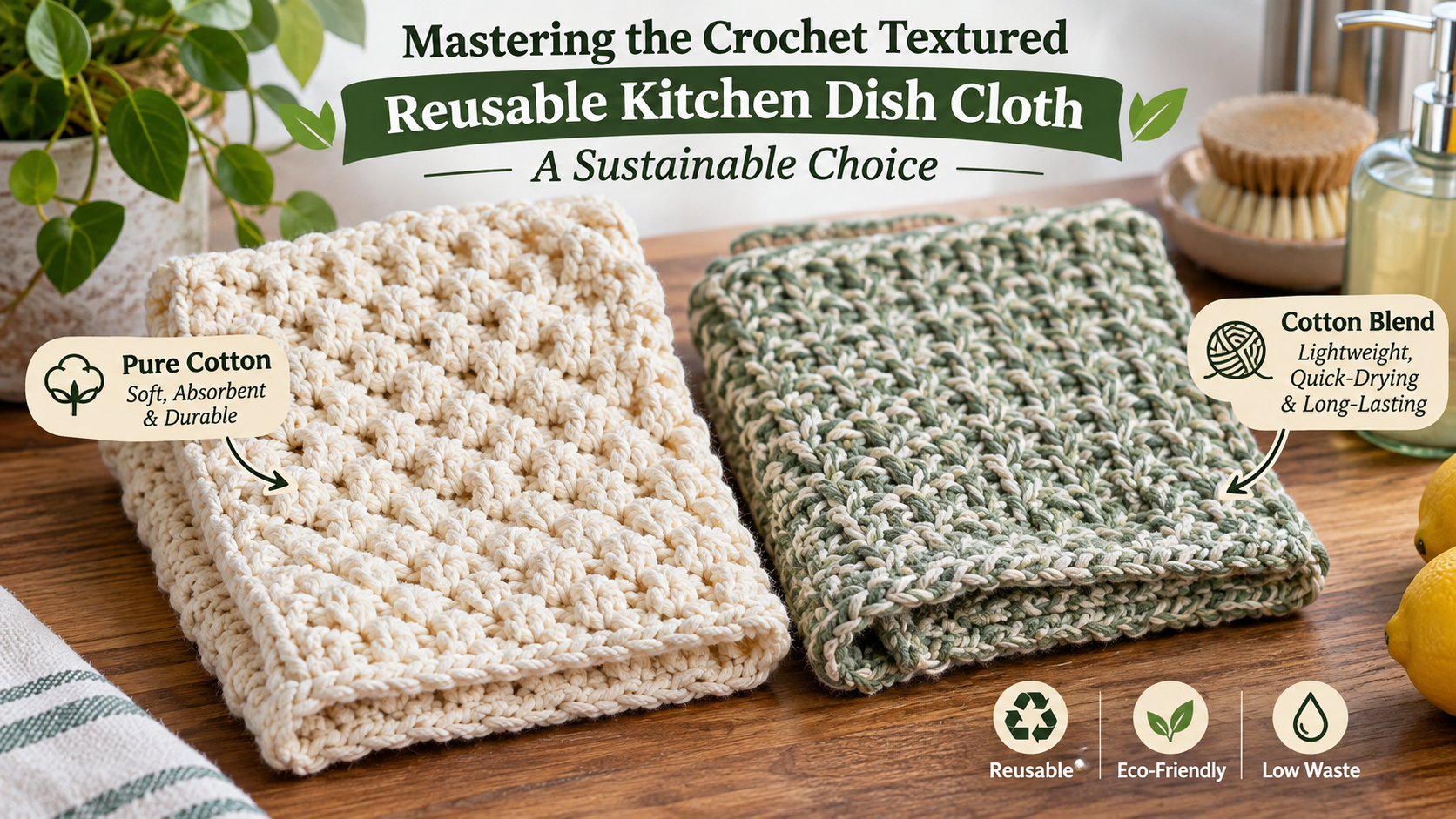
Should you choose pure natural fiber or a mixed material for your kitchen cloths? Pure natural fiber excels in soaking up liquids. It can hold a large amount of moisture. This makes it perfect for spills and drying dishes. Conversely, blended materials, often incorporating synthetics, may offer quicker drying times. However, mixed materials might not soak up as much liquid initially. They can also feel different to the touch. For longevity, both options perform well. Pure natural fiber items become softer with each wash. They maintain their integrity over many uses. Blends can resist wear and tear effectively. They often feature enhanced strength. The choice depends on your priorities. Do you value maximum liquid uptake or quicker drying? Consider how you will use yourreusable kitchen clothsmost often.
Yarn Weight and Texture Considerations
What factors should you consider regarding the thickness and feel of your material? The thickness of your chosen thread significantly impacts the final fabric. A medium-weight thread, often labeled as worsted or Aran, creates a robust and effective fabric. This density is ideal for scrubbing and wiping. Thinner threads result in a delicate cloth, less suitable for heavy-duty tasks. Consider the surface quality of the thread as well. A slightly rougher surface helps with scrubbing. Smooth threads are better for polishing. Furthermore, different ply constructions offer varied feels. A multi-ply strand can feel softer and more pliable. Alternatively, a single-ply strand might offer more stiffness. The right combination ensures yourkitchen dish clothperforms exactly as needed.
Popular Crochet Stitches for Textured Dishcloths
What are some common crochet stitches to create a pleasing surface for your kitchen cloths? Various stitches add depth and scrubbing power to yourreusable sweeper padprojects. These techniques enhance the functionality of your fabric. They also make your finished item visually appealing. Here are some excellent choices:
Single Crochet (SC):This stitch creates a dense, sturdy fabric. It is perfect for everyday wiping tasks.
Half Double Crochet (HDC):Slightly taller than single crochet, HDC offers a bit more drape. It still provides good substance.
Double Crochet (DC):This stitch works up quickly. It yields a looser fabric, good for lighter wiping.
Waffle Stitch:This stitch creates a deep, grid-like pattern. It is excellent for scrubbing. You can explore it further with ourWaffle Stitch Pocket Shawl guide.
Puff Stitch:The puff stitch adds significant bumps to the surface. This makes it ideal for scrubbing stubborn messes.
Bobble Stitch:Similar to the puff stitch, bobbles create prominent raised elements. They provide extra scrubbing efficacy.
Experiment with different combinations. This will help you find your favorite design for yourmicrowave bowl huggeror other kitchen accessories.
Achieving Optimal Scrubbing Power
How can you maximize the scrubbing efficiency of yourcrochet pot holderor cloth? Achieving superior scrubbing power involves a blend of specific techniques and material choices. The goal is to create a surface that effectively tackles grime without being overly abrasive. This balance ensures your fabric is both functional and gentle on surfaces. Consider integrating various stitch patterns within a single cloth. This creates different levels of friction. For example, a section of bobble stitches can handle tough spots. A flatter section can then wipe away residue. Here are key strategies for optimal scrubbing:
Alternating Stitches:Combine dense stitches with raised stitches. This creates a versatile surface.
Tight Tension:Maintain consistent, tight tension while crafting. This results in a firm fabric that holds its shape.
Looped or Brushed Surfaces:Experiment with techniques that create small loops or a slightly brushed finish. These features grab debris more effectively.
These methods will enhance the utility of yourreusable bowl coveror any other scrub item.
Simple Patterns for Beginners
Beginners can indeed create effective reusable dish cloths with straightforward patterns. These designs focus on fundamental techniques. They allow new crafters to build confidence. You will learn essential skills while making a practical item. Start with basic shapes like squares or rectangles. These are easy to manage. Use simple, repetitive motions. This helps you get comfortable with your hook and fiber. Here are some excellent choices for your first project:
Single Crochet Square:This pattern uses only one type of motion. It creates a solid, robust fabric. This is ideal for wiping down surfaces.
Half Double Crochet Rectangle:Slightly taller than single crochet, this option works up faster. It still provides good coverage for spills.
Alternating Single and Chain Stitches:This creates a slightly open, yet effective, fabric. It is a good way to practice different movements.
These simple patterns are perfect for mastering your craft. You will soon have a functional item.
Care and Maintenance of Your Reusable Dishcloths
Proper care ensures your reusable cloths last a long time. How can you keep yourdish drying mator other fabric items hygienic and effective? Regular laundering is key to maintaining their performance. This also prevents the buildup of germs and odors. Always rinse your fabric thoroughly after each use. This removes food particles. You can machine wash them with your regular laundry. Use warm or hot water for best results. Here are some essential maintenance tips:
Wash Regularly:Launder your cloths every few days. This prevents bacterial growth.
Avoid Fabric Softeners:Softeners can reduce the material’s ability to soak up liquids.
Air Dry or Tumble Dry Low:High heat can damage the fibers over time.
Sanitize Periodically:Boil them for a few minutes or soak in a diluted vinegar solution. This offers a deeper purification.
Following these steps will extend the life of yourreusable sweeper padand other fabric creations. You can find more tips on eco-friendly home care atthis external resource.
Washing and Drying Best Practices
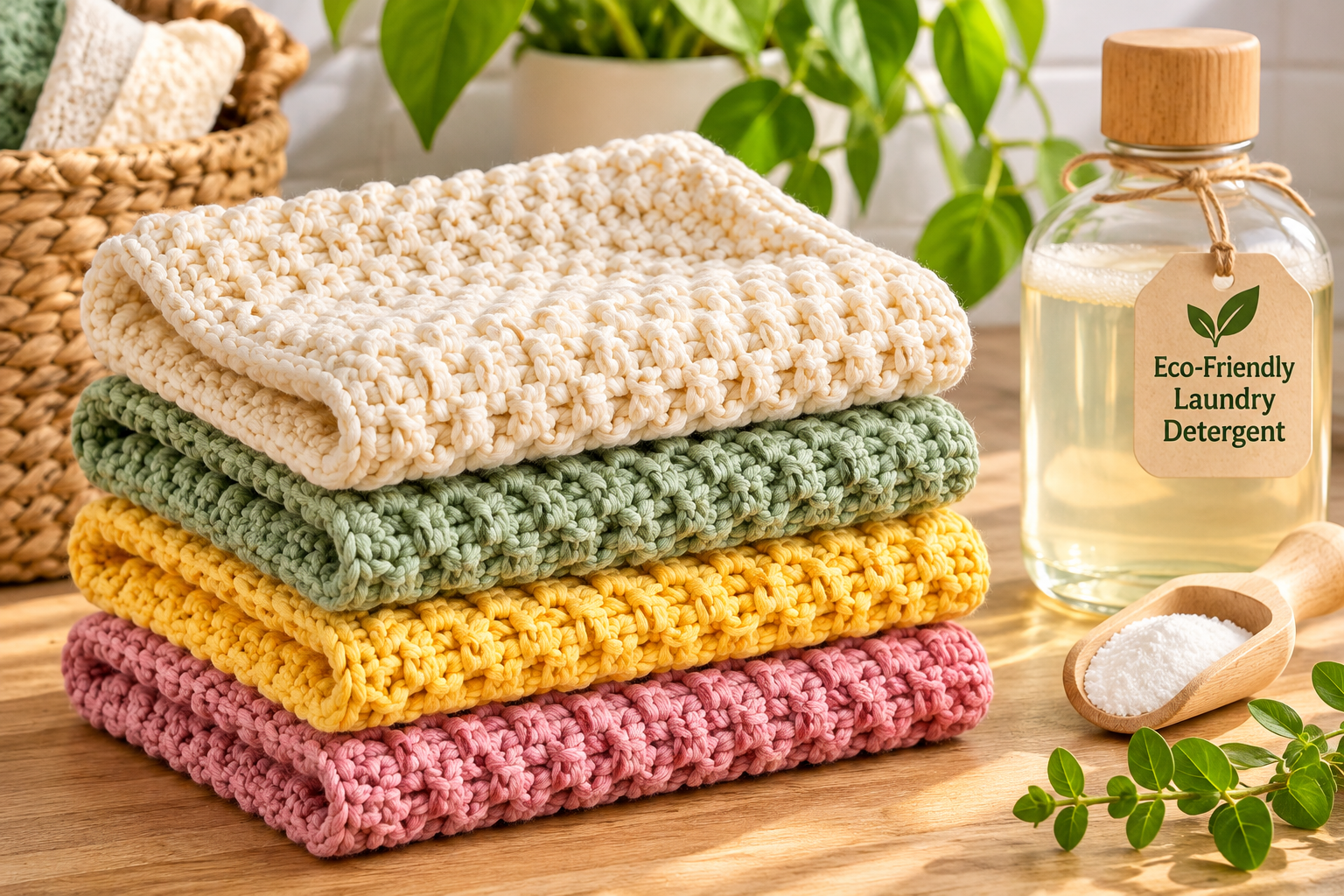
To ensure your fabric cloths remain effective and hygienic, follow specific washing and drying practices. Proper care extends their lifespan significantly. It also keeps them fresh for daily tasks. Always pre-rinse your cloths to remove food debris. This prevents stains from setting. You can machine wash them with similar items. Use a gentle cycle with warm water. Use a mild detergent, preferably an eco-friendly option. Avoid bleach, as it can weaken fibers over time. Fabric softeners are also not recommended. They can reduce the material’s ability to soak up liquids. For drying, air-dry your cloths whenever possible. Hang them in a well-ventilated area. Alternatively, tumble dry on a low heat setting. High heat can cause shrinkage and damage.
Ensuring Longevity and Hygiene
Ensuring your dish cloths last and stay germ-free requires consistent attention. Regular washing and proper storage are crucial for these items. This keeps them effective for all your household needs. Consider rotating several cloths throughout the week. This allows each item to dry completely between uses. Consequently, it prevents mildew and unpleasant smells. Furthermore, a dry cloth is less likely to harbor microbes. Periodically, deep sanitize your cloths. Soaking them in a diluted solution of white vinegar for 30 minutes works well. Alternatively, you can boil them in water for 10 minutes. This eliminates stubborn microbes and refreshes the fibers. For more insights on sustainable home practices, visitthis resource.
Comparing Handmade vs. Store-Bought Dishcloths
Comparing fabric cloths you make yourself with those bought in stores reveals several differences. Items crafted at home often offer superior quality and customization. Conversely, mass-produced options prioritize convenience and low cost. Homemade dish cloths, like acrochet pot holder, provide a personalized touch. You choose the materials and design. This ensures they meet your specific needs for scrubbing or wiping. They also tend to be more robust, lasting longer than many commercial alternatives. Store-bought cloths are readily available. They often come in multi-packs, offering immediate utility. However, their material quality can vary significantly. Some may degrade quickly with frequent use. Ultimately, the choice depends on your priorities. Do you value bespoke quality and longevity? Or do you prefer instant availability and affordability?
Where to Buy High-Quality Crochet Textured Dishcloths
You can buy high-quality crocheted fabric cloths from various sources. These options range from independent artisans to larger online marketplaces. Finding the perfect cloth depends on your preference for unique designs or readily available stock. Etsy is an excellent platform for unique, artisan-made cloths. Many crafters offer custom orders, allowing you to select specific colors and patterns. You support small businesses directly when you purchase here. Furthermore, these items often feature superior craftsmanship. Alternatively, consider local craft fairs and farmers’ markets. These venues provide an opportunity to see the items firsthand. You can also discuss the materials and construction with the makers. For those seeking a wider selection, larger online retailers like Amazon also carry a variety of crocheted cloths. Look for products with high ratings and positive reviews to ensure quality. You might even find patterns to make your own, similar to acrochet sweeper pad. You can also explore specialized craft supply stores; they sometimes stock finished items alongside materials.This siteoffers further shopping insights.
FAQ: Crochet Textured Reusable Kitchen Dish Cloths
How do you make a washing cloth with a raised pattern?
You can create a washing cloth with a raised pattern by using various stitch combinations. Popular choices include the waffle stitch, moss stitch, or even simple post stitches. These techniques add dimension and scrubbing power. Furthermore, they help to create a lovely surface for effective dishwashing.
What is the best fiber for dish cloths?
The best fiber for dish cloths is typically a natural material. For instance, a high-quality plant-based fiber is excellent. These materials are known for their strength and ability to soak up liquids. You can find many options from suppliers likeLoveCraftsorWe Are Knitters. They also become softer with each wash.
Are homemade dishcloths hygienic?
Yes, homemade dishcloths are hygienic when cared for properly. You should wash them frequently, just like commercial cloths. They can be laundered in hot water and dried thoroughly to eliminate germs. This practice ensures they remain clean and effective for daily tasks.
How do you make a dishcloth more effective at soaking up liquids?
To make a dishcloth more effective at soaking up liquids, select appropriate fiber types. Natural fibers like plant-based ones are excellent choices. Furthermore, using specific pattern work can increase the surface area, thus enhancing its liquid-holding capacity. Consider exploring patterns on sites likeYarnspirationsfor ideas.
How often should I get a new dishcloth?
You should get a new dishcloth when it shows signs of wear or no longer cleans effectively. For optimal hygiene, rotate and wash your cloths every few days. You can find more patterns for home items, such as adouble-thick square pot holderor aheavy-duty dish drying mat, to complement your cleaning routine. Replacing them regularly ensures your cleaning tools remain efficient and sanitary.Lion Brand Yarnalso offers great resources.


