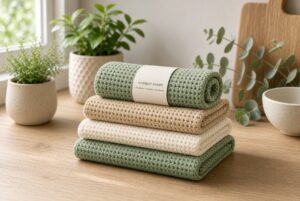
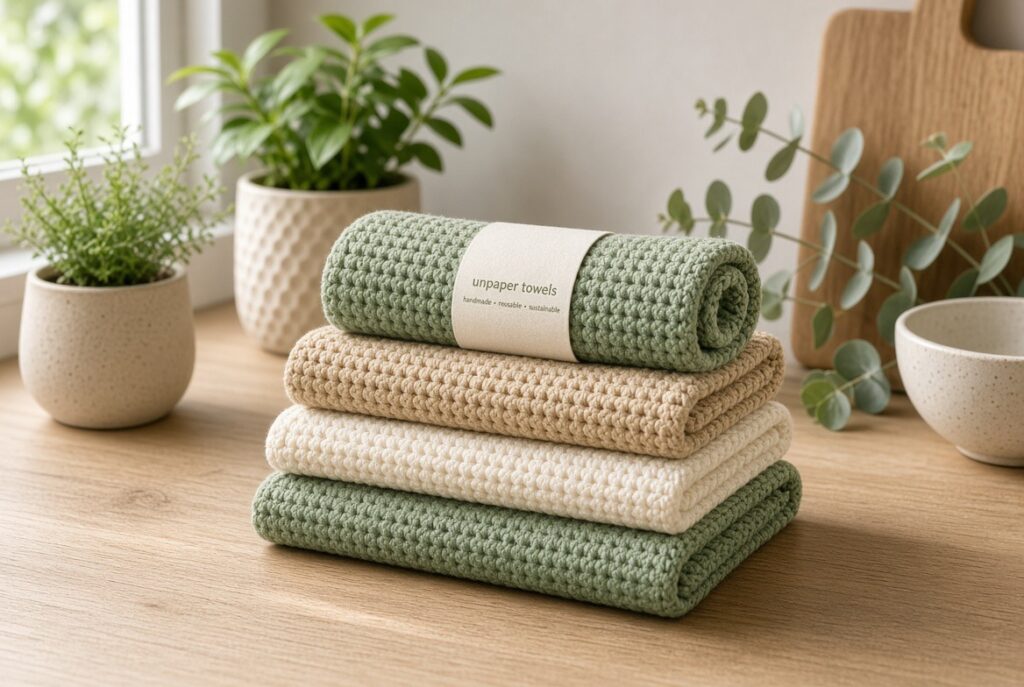
Are you looking for an eco-friendly way to tackle everyday messes in your home? Reusable unpaper towels offer a fantastic alternative to traditional paper products. These innovative fabric sheets are designed to be washed and reused countless times. This makes them a sustainable choice for any kitchen.
Making your own unpaper towels is a rewarding DIY project. It helps reduce waste and saves money in the long run. Many people wonder if they need advanced sewing skills for this task. The good news is, you don’t! You can easily transform an old towel into highly absorbent, reusable cleaning cloths. This guide will walk you through the simple steps.
This eco swap is not only beneficial for the planet but also incredibly practical for handling spills and general cleaning. We will explore how to select the best cotton materials for maximum absorbency and durability. Furthermore, we will provide clear instructions, ensuring your handmade unpaper towels are both functional and long-lasting.
Why Choose Crochet Reusable Unpaper Towels?
Choosing crochet reusable unpaper towels offers numerous advantages over disposable options. These durable squares significantly reduce household waste. You simply wash and reuse them, unlike single-use products. Furthermore, they save money over time. You avoid constantly buying paper towels, which adds up. Many people enjoy the creative process of making them. You can personalize your cleaning supplies. The absorbency of these cloths is impressive. Many crafters use a soft material like flannel for one side. This makes them perfect for spills and everyday cleaning tasks. You can easily cut fabric into the desired size. You can also customize how they store. Some people add snaps or velcro to connect the squares. Alternatively, you might roll them onto a holder. A simple thread or fabric tape can secure them.
Essential Materials for Your Unpaper Towels
create your own crochet reusable unpaper towels, you will need a few key items. The primary material is absorbent fabric. Consider using cotton flannel, terry cloth, or even repurposed cotton shirts. These materials offer excellent liquid retention. You will also need sharp fabric scissors or a rotary cutter. A cutting mat is helpful for precise measurements. Furthermore, a sewing machine is essential for durability. It helps create strong seams that withstand repeated use. Alternatively, you could hand stitch if you prefer. However, a machine provides a quicker and more robust finish. Gather coordinating cotton fabric for backing, if desired. This adds an extra layer of absorbency and aesthetic appeal to your unpaper towels.
Choosing the Best Yarn for Absorbency and Durability
Selecting the ideal fiber is crucial for effective crochet reusable unpaper towels. You want materials that soak up liquids well and withstand frequent laundering. Natural fibers are generally the best choice for this purpose. They offer superior performance compared to synthetics. Consider using a high-quality natural fiber for your project. This ensures your cloths are both functional and long-lasting. For instance, some crafters prefer a blend that includes bamboo. Bamboo fibers are known for their excellent liquid-holding properties. They also feel soft to the touch. Alternatively, hemp is another robust option. It becomes softer with each laundering cycle. Furthermore, hemp is incredibly durable. This makes it perfect for items intended for repeated use. Always check the fiber content when choosing your materials.
Recommended Crochet Hook Sizes and Notions
What crochet hook sizes and notions are recommended for crafting your own kitchen cloths? Selecting the correct hook size is crucial for achieving the desired fabric density. For most kitchen cloths, a G/6 (4.0 mm) or H/8 (5.0 mm) hook works well. A smaller hook creates a tighter stitch, which is excellent for scrubbing. Conversely, a larger hook yields a looser fabric, ideal for quick drying. Beyond the hook, you will need a few other essential items. A yarn needle is necessary for weaving in ends neatly. This gives your finished items a polished look. Furthermore, a pair of sharp scissors is indispensable for cutting yarn. Consider using stitch markers to keep track of your rounds or rows. This is especially helpful for beginners. These simple tools will ensure a smooth crafting experience for your reusable cleaning cloths.
Step-by-Step Guide: How to Crochet Reusable Unpaper Towels
Crafting your own cloths involves a straightforward process that yields practical results. You can easily create these items with basic crafting skills. This guide walks you through each stage.
-
Step 1: Begin by gathering your chosen fabric. Lay it flat and smooth out any wrinkles.
-
Step 2: Measure and mark your fabric into 10×10 inch squares. Use a ruler and fabric marker for accuracy.
-
Step 3: Carefully divide the fabric along your marked lines. Ensure straight edges for neat finishing.
-
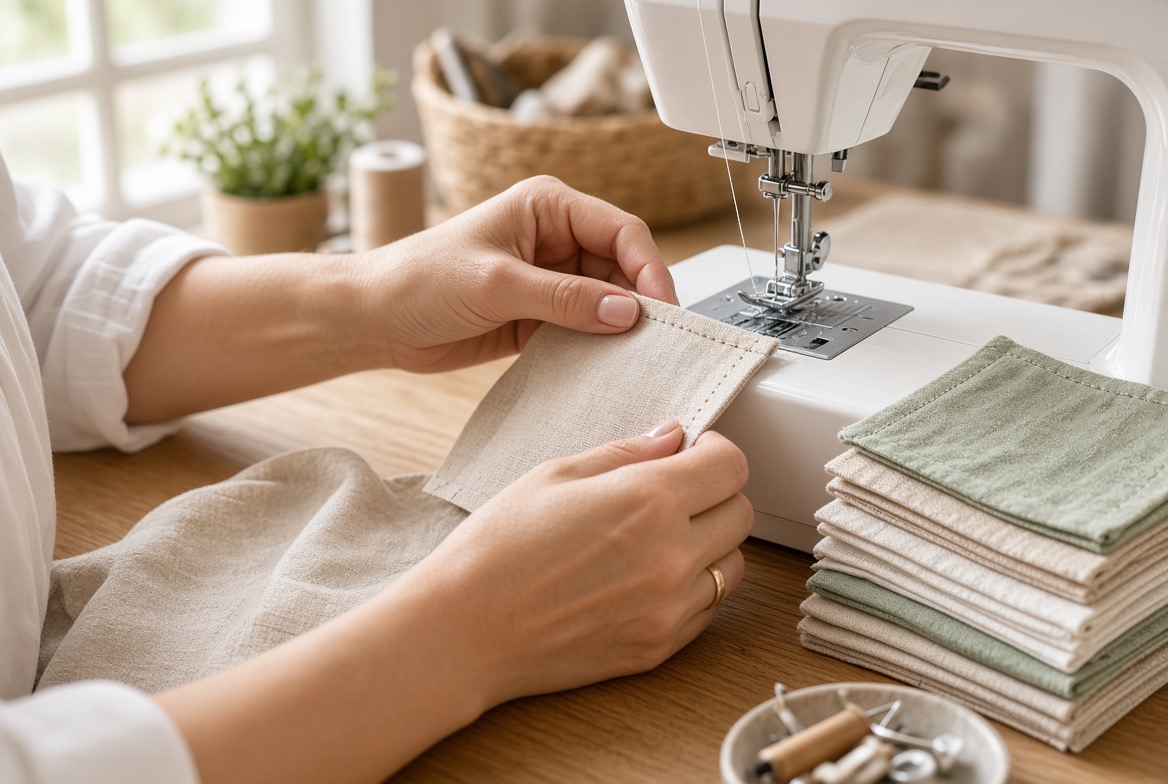
Step 4: Take two squares of fabric. Place them right sides together. Pin along the edges, leaving a small opening.
-
Step 5: Stitch around the perimeter, leaving a 1/4 inch seam allowance. Remember to backstitch at the start and end.
-
Step 6: Trim the corners to reduce bulk. Turn the fabric right side out through the opening.
-
Step 7: Press the edges flat, ensuring the opening seam is tucked in. Topstitch around the entire perimeter. This closes the opening and adds durability.
-
Step 8: Repeat these steps for all your squares. You will soon have a stack of ready-to-use cloths.
Basic Crochet Stitches for Beginners
What fundamental crochet stitches are best for beginners creating reusable cloths? Learning a few core techniques will set you up for success. The single crochet stitch is a perfect starting point. It creates a dense, sturdy textile ideal for wiping surfaces. You insert your hook, yarn over, and pull through two loops. Furthermore, the half double crochet stitch offers a slightly taller and looser texture. This makes it excellent for general cleaning items. It involves yarning over before inserting your hook. The double crochet stitch provides an even airier result. This can be beneficial for quicker drying items. Mastering these simple stitches allows you to craft many useful household items.
Creating the Perfect Size and Shape
Achieving the ideal dimensions and form for your reusable cloths is crucial for their functionality. Consider how you will use these items. Will they be for general cleaning or specific tasks? The size should suit their intended purpose. For instance, a standard wipe size works well for everyday messes. You might prefer larger cloths for bigger clean-ups. Alternatively, smaller ones are great for quick tasks. Rectangular shapes are versatile. However, circular or oval designs can add a decorative touch. Always ensure consistent shaping for a uniform set of cloths.
Tips for a Professional Finish
How can you ensure your handmade cloths look professionally crafted? Attention to detail transforms a simple project into a polished item. Always block your finished pieces. This process shapes your crocheted items, giving them a neat, even appearance. Furthermore, weave in all loose ends securely. This prevents unraveling and creates a clean look. Consider adding a decorative border. A simple shell stitch or picot edge can elevate the aesthetic. Finally, use a consistent tension throughout your work. Uniform stitches are a hallmark of quality craftsmanship.
Caring for Your Crochet Unpaper Towels
How do you properly care for your crocheted cloths to ensure their longevity? Proper maintenance is essential for these sustainable alternatives. Begin by rinsing them immediately after use. This helps prevent stains from setting. You can clean them with your regular laundry. Use a gentle detergent and cool or warm water. Avoid harsh bleaches, as these can damage the fibers. For stubborn marks, presoak the items in a stain remover. Dry your reusable cloths thoroughly. Air drying is best for preserving their texture and shape. Alternatively, use a low heat setting in your dryer. Avoid high heat, which can cause shrinkage. With good care, your handmade wipes will serve you for years.
Washing and Drying Best Practices
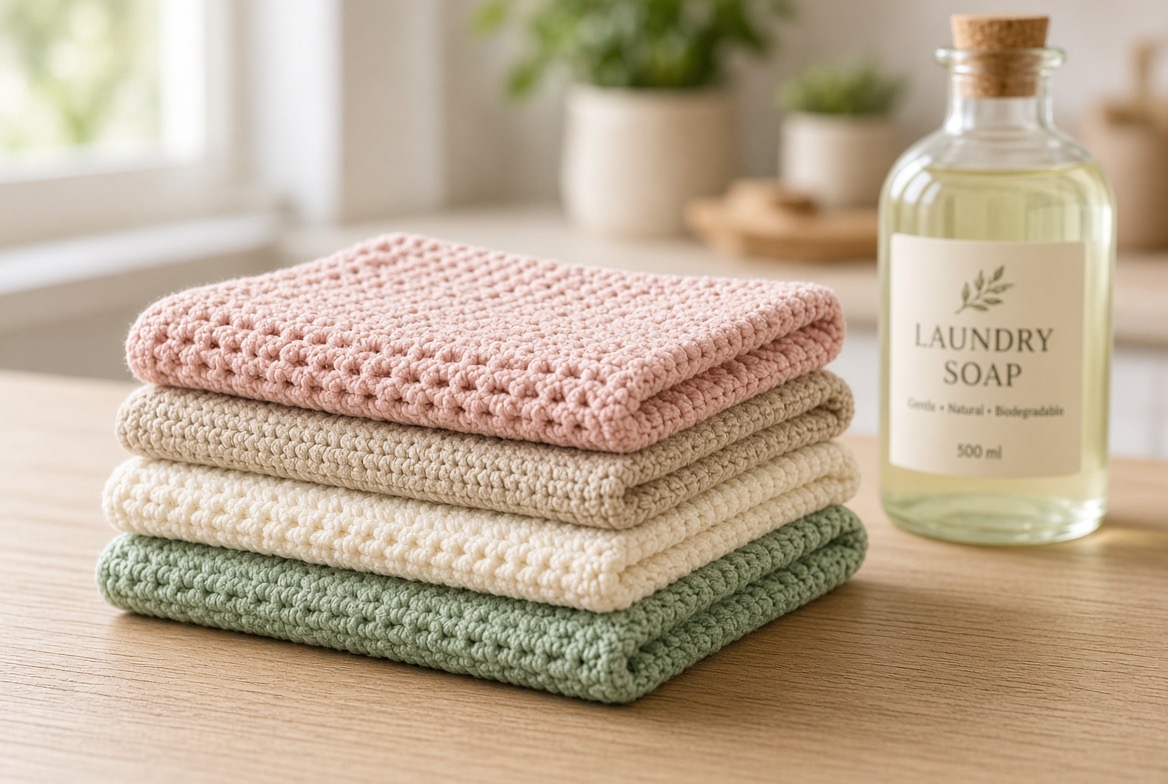
To ensure your crocheted wipes remain in excellent condition, follow specific washing and drying guidelines. Always rinse your cloths promptly after use. This action helps remove food particles and prevents stains from becoming permanent. You can then add them to your regular laundry cycle. It is best to use a mild cleansing agent with cool or warm water. Harsh chemicals, such as bleach, can degrade the fibers over time. For tough stains, consider a short presoak in a natural stain treatment. Air drying is ideal for maintaining the shape and integrity of your crocheted items. Alternatively, a tumble dryer on a low heat setting works well. High heat can lead to unwanted shrinking.
Troubleshooting Common Issues
Do you encounter problems while crafting or using your crochet cloths? Addressing common issues can improve your experience. If your items appear stiff, try soaking them in a vinegar solution before the first laundering. This helps soften the fibers. Uneven edges often result from inconsistent tension. Practice maintaining a steady grip on your yarn. Furthermore, if your creations are not as thirsty as you’d like, consider a different fiber blend. Some yarns are naturally more effective at liquid uptake. For unraveling stitches, ensure you weave in all ends securely. A dab of clear craft glue on the hidden ends can also prevent fraying.
Creative Ideas for Storing and Displaying Your Unpaper Towels
How can you creatively store and display your handmade wipes? Thoughtful storage solutions can enhance your home’s aesthetic and keep your cloths readily accessible. Consider rolling them neatly and placing them in a decorative basket. This method works well on a countertop or open shelving. Alternatively, stack them in a drawer for a tidy, out-of-sight option. You might also hang your cloths using small clips on a tension rod under a cabinet. This frees up counter space. For a charming touch, try a wall-mounted dispenser designed for paper rolls. Your crocheted items can fit perfectly inside, offering both convenience and style. Furthermore, color-coordinate your cloths to match your decor. This transforms practical items into decorative accents.
Beyond the Kitchen: Other Uses for Crochet Towels
Crochet towels offer versatility beyond just the culinary space. You can use these handy items in various areas of your home. For instance, they serve as excellent reusable sweeper pads for dusting surfaces. They effectively pick up dust and small debris. Consider using them in the bathroom as gentle face cloths. Their soft texture is perfect for sensitive skin. Furthermore, they can replace disposable baby wipes during diaper changes. This provides a soft and chemical-free option for your little ones. Keep a few in your car for quick clean-ups or as hand wipes. These handmade cloths also work well as pet clean-up rags. They are durable and can handle muddy paws or minor mishaps.
FAQ About Crochet Reusable Unpaper Towels
How do you crochet paperless wipes?
You begin by creating a slip knot and chaining stitches to your desired width. Next, you work in rows using basic crochet stitches like single crochet or half double crochet. You continue until the piece reaches your preferred length. Finally, you fasten off and weave in any loose ends. This simple process creates a durable, wipe-like item.
What material is best for crochet paperless wipes?
Mercerized fibers are ideal for these handy items. This type of fiber provides strength and a smooth finish, enhancing durability. Furthermore, it helps the finished product maintain its shape and texture even after repeated use. Consider a sturdy yarn for best results.
Do crochet paperless wipes soak up liquids well?
Yes, these crocheted items are quite effective at soaking up liquids. The textured surface and fiber composition allow them to hold a significant amount of moisture. Consequently, they perform admirably for everyday tidying tasks around the house.
How do you clean crochet paperless wipes?
Cleaning these items is straightforward. You can simply place them in your regular laundry cycle with similar items. Use your usual detergent and warm water. For best results, air dry them or tumble dry on a low setting. This keeps them fresh and ready for continuous application.
How many paperless wipes do I need?
The quantity you require depends on your household’s daily consumption of disposable alternatives. A good starting point is usually 10-15 wipes. This amount allows for regular usage while others are being laundered. You can always craft more as needed.