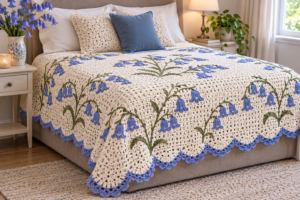
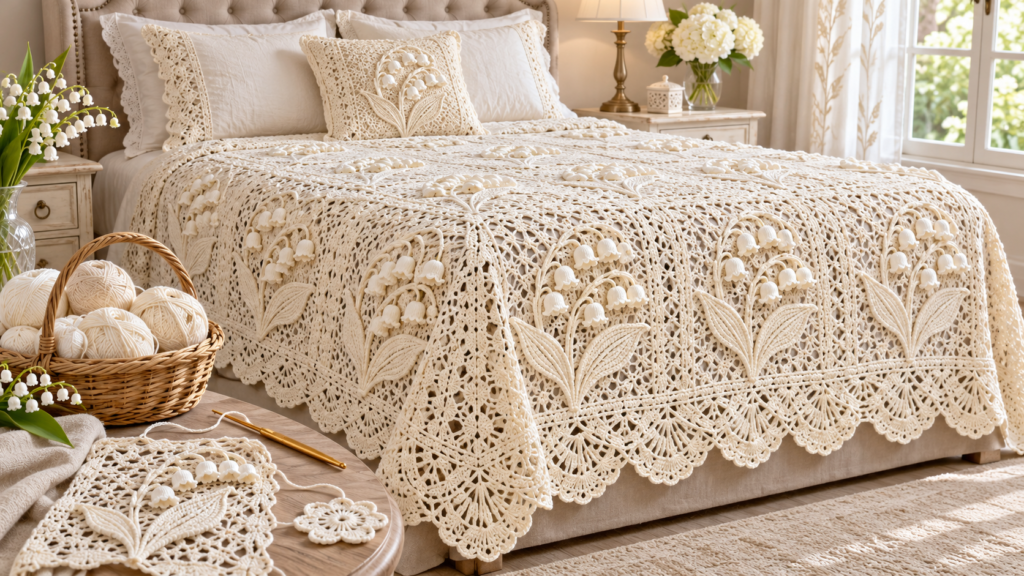
Are you looking to add a touch of timeless elegance to your bedroom? A crochet bedspread can transform any space. This guide focuses on creating a stunning lily of the valley crochet bedspread. This particular design captures the delicate beauty of the lily of the valley flower, bringing a fresh, natural feel to your home. It’s a rewarding project for any crafter.
The lily of the valley crochet bedspread is a beautiful blanket featuring intricate floral motifs. Each flower is carefully crafted using various crochet stitches, resulting in a textured and visually appealing design. This pattern is perfect for those who appreciate detailed work and classic aesthetics. You will use specific techniques to form the tiny, bell-shaped blooms that characterize this beloved flower. The finished bedspread serves as a cozy blanket and a magnificent decorative piece.
Creating this bedspread allows you to express your creativity through yarn. The design often incorporates subtle color variations to enhance the realistic appearance of the lily of the valley. Consequently, your finished piece will be unique. Furthermore, the process of crocheting can be a relaxing and meditative craft. You will enjoy watching the beautiful flower design emerge with each stitch. Prepare your hooks and your favorite yarn, as we embark on this exciting crochet journey together.
Why Choose a Lily of the Valley Crochet Bedspread?
Choosing a Lily of the Valley Crochet Bedspread offers numerous benefits for your home decor. This exquisite afghan brings a touch of vintage charm to any bedroom. It serves as more than just a cover; it is a statement piece. The intricate floral motifs add elegance and a unique handmade touch. This particular style is perfect for those who appreciate classic beauty. A comprehensive tutorial can guide even a beginner through the steps. You can find a free pattern that includes detailed instructions for each square. These patterns often provide clear guidelines on gauge and sizing, ensuring your finished piece is perfect. Furthermore, selecting the right materials is crucial. High-quality yarn enhances the texture and durability of your afghan. Consequently, your finished blanket will last for years. The satisfaction of creating something so beautiful and handmade is truly rewarding.
The Allure of Floral Crochet Designs
What makes floral crochet patterns so captivating? They bring the beauty of nature indoors, offering a timeless and elegant aesthetic. These intricate creations add a delicate touch to any setting. Imagine your space adorned with blossoming yarn. Consequently, floral patterns allow for immense creativity. You can experiment with different stitches and yarn colors. This versatility lets you create truly unique pieces. For example, a lily of the valley crochet item offers a subtle yet sophisticated charm. Such artistry is not limited to large items. Smaller floral accents like a crochet pumpkin keychain or a crochet sweater keychain can also enhance your decor. They provide a cohesive theme throughout your home. Floral crochet truly transforms a simple piece into a work of art.
Adding Timeless Beauty to Your Bedroom
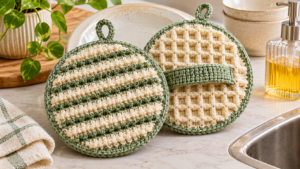
Adding timeless beauty to your bedroom is effortlessly achieved with a Lily of the Valley lavender bedspread pattern. This exquisite cover elevates your personal sanctuary with its delicate floral pattern. It transforms an ordinary sleeping space into a serene retreat. The intricate details evoke a sense of calm and classic elegance. This elegant cover provides a focal point for your room. Its subtle charm complements various interior styles, from rustic to modern. The serene aesthetic of the lily of the valley brings a touch of nature indoors. Consequently, your bedroom feels more inviting and peaceful. Consider pairing this lovely item with other complementary accessories. A textured pot holder in a coordinating shade could enhance the overall theme. Alternatively, a reusable bowl cover on your nightstand can add a thoughtful touch. These small additions create a cohesive and beautifully adorned space.
Understanding the Lily of the Valley Stitch
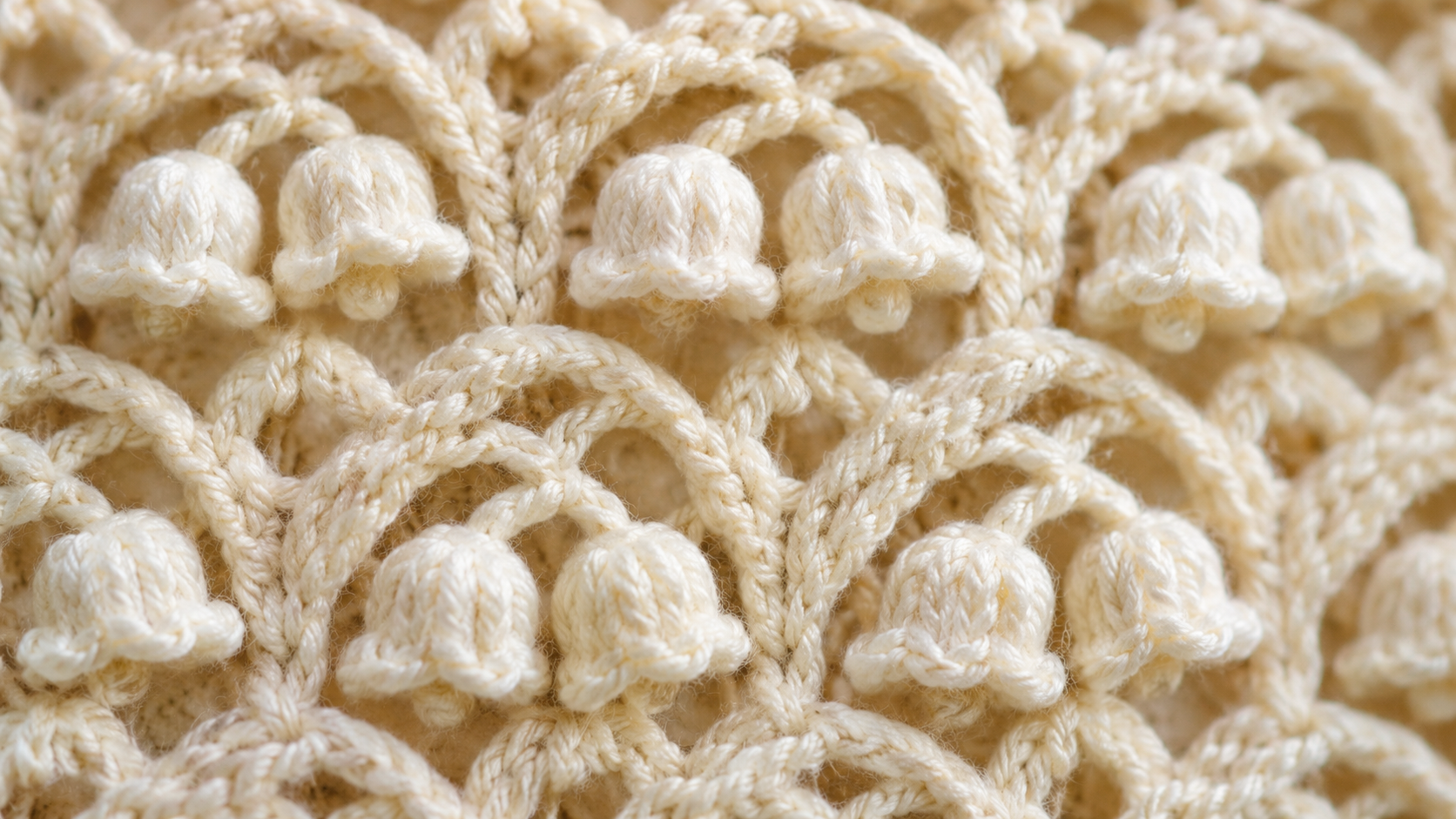
Understanding the Lily of the Valley stitch involves recognizing its unique texture and visual appeal. This elegant technique mimics the delicate bells of the flower. It creates a raised, bobble-like effect on your fabric. Consequently, it adds beautiful dimension to any item. This particular stitch is often achieved using a combination of basic stitches. These typically include single and double stitches. The specific arrangement forms the characteristic floral clusters. Furthermore, careful tension control is essential for uniform results. You will find this method creates a dense yet soft fabric. It is ideal for items requiring warmth and a luxurious feel. The visual impact is one of subtle sophistication. This makes it perfect for heirloom pieces.
Key Characteristics of the Stitch
The key characteristics of the stitch involve its distinct texture and appearance. This technique produces small, clustered bumps on the fabric surface. These clusters resemble tiny bells or petals. Consequently, the resulting textile feels rich and visually engaging. This particular method typically uses a combination of simple looping techniques. These might include single and double loops. The careful placement of these loops forms the signature raised pattern. Achieving consistent tension is crucial for a neat, uniform look. The final fabric is often thick and soft. This makes it excellent for items needing warmth. The aesthetic is one of understated elegance. It is perfectly suited for creating a special Lily of the Valley item.
Variations and Adaptations
You can easily customize your elegant cover through various modifications. Consider altering the colors to match your existing room decor. A monochromatic scheme offers a modern touch, while pastel shades enhance a romantic feel. These changes personalize the item beautifully. Alternatively, adapt the overall dimensions to suit your needs. A smaller throw works well for a sofa accent. A larger piece can become a stunning wall hanging. Explore different edging patterns, like a delicate picot or a sturdy shell border. Furthermore, you might integrate other textures, such as a chunky textured tree skirt, for added visual interest.
Selecting the Perfect Yarn for Your Bedspread
Selecting the perfect fiber is crucial for your elegant cover. The right choice ensures durability, comfort, and a beautiful drape. Think about both the aesthetic and practical aspects before deciding. For a luxurious feel, consider high-quality cotton or a cotton blend. These fibers offer excellent breathability and softness. They also hold their shape well over time. Alternatively, a merino wool blend provides warmth and a delicate sheen. Consider the weight and ply of your chosen thread. A medium-weight, worsted ply often works best for intricate patterns. It provides good definition for the raised elements. Always check the label for washing care. This ensures your finished item remains beautiful for years.
Choosing the Right Hook Size
Choosing the right hook size is essential for achieving the desired look and feel of your elegant cover. The appropriate tool ensures your fabric has the correct drape and density. It also impacts how clearly the textured elements stand out. Always refer to the recommended hook size on your fiber label. This provides a good starting point. However, your personal tension may require adjustments. A tighter tension might call for a larger instrument. Conversely, a looser touch might need a smaller one. Creating a small swatch is highly recommended. This allows you to test the fabric’s appearance and texture. Does it feel too stiff or too loose? Adjust your tool accordingly until you achieve the perfect result.
Essential Tools and Materials
What essential items do you need for this elegant cover? Gathering the correct supplies is key to a successful creation. Proper preparation ensures a smooth and enjoyable experience. This elegant item requires a few fundamental tools. Beyond your chosen fiber and instrument, you will need a few other items. These help with finishing and accuracy. Consequently, your finished piece will look polished and professional. Always have these handy before you begin.
| Item | Purpose/Notes |
|---|---|
| Fiber | Select high-quality cotton or a blend for durability and softness. |
| Instrument | Match the size to your chosen fiber and desired fabric density. |
| Scissors | Sharp pair for cleanly cutting strands. |
| Tapestry Needle | For weaving in loose ends and joining pieces seamlessly. |
| Measuring Tape | To check dimensions and ensure consistent progress. |
| Stitch Markers | Help keep track of important places or repeat sections. |
Consider a sturdy carrying bag for your work. This keeps everything organized, especially if you work on the go. You can find excellent options like an easy tote bag that provides ample space. Additionally, a comfortable chair and good lighting prevent strain. This makes your crafting time more enjoyable.
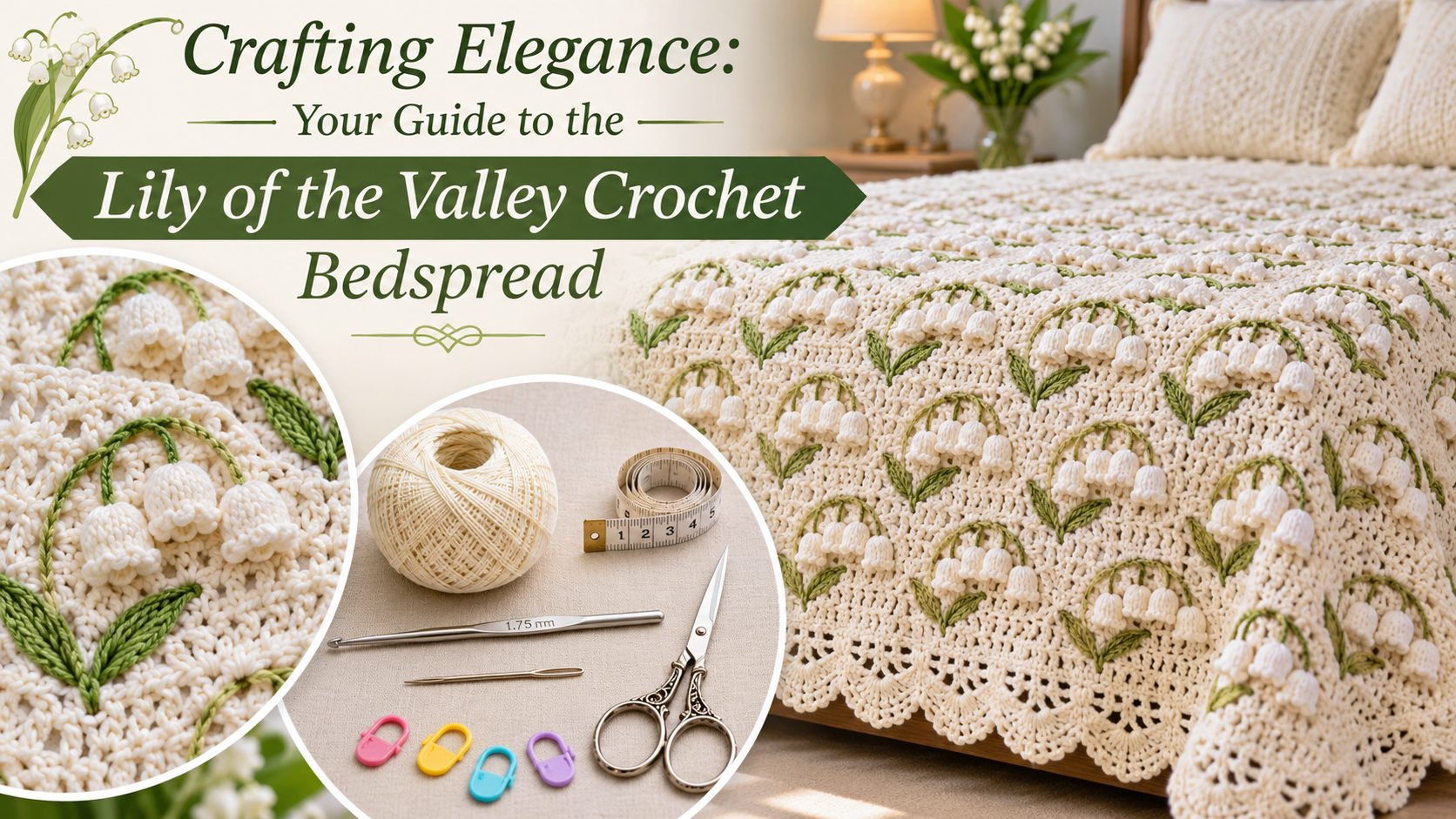
Step-by-Step Guide to Crocheting Your Bedspread
Creating your elegant cover involves several distinct stages. Following these steps ensures a beautiful and consistent outcome. Each stage builds upon the last, leading to a stunning finished piece.
-
Step 1: Create Individual Elements. Begin by fashioning the individual floral elements. These small pieces form the core of your botanical textile. Each element should be consistent in size and tension.
-
Step 2: Join the Elements. Once you have a sufficient number of individual pieces, join them together. You can use a slip-join technique or sew them with a tapestry needle. Ensure the connections are secure and nearly invisible.
-
Step 3: Form Larger Panels. Continue joining the connected elements into larger panels. These panels will eventually make up the bulk of your cover. Maintain an even tension throughout this process.
-
Step 4: Add Bordering. When all panels are assembled, add a decorative edging. This frames your botanical textile beautifully and provides a finished look. Choose a complementary edging that enhances the overall aesthetic.
-
Step 5: Finishing Touches. Weave in any remaining loose strands using your tapestry needle. Block the finished item gently to shape and set the dimensions. This final step gives your botanical textile a professional appearance. For a visual guide, consider watching this video on joining techniques.
Remember, patience is key when working on such an elaborate item. Take breaks as needed and enjoy the process. You can explore more advanced techniques for different textile creations, such as those found in a lavender bedspread guide.
Finishing Touches and Care Instructions
Finalizing your intricate cover and ensuring its longevity involves specific steps. These actions will preserve the beauty of your botanical textile for years to come. Proper care maintains its shape and vibrant appearance.
Finishing Touches and Care Instructions
-
Step 1: Weave in Ends. Carefully hide all loose thread ends using a tapestry needle. This creates a clean and professional look. Ensure no stray threads are visible.
-
Step 2: Block the Fabric. Gently wet your finished item and pin it to its desired dimensions on a blocking mat. Allow it to dry completely. This process evens out the tension and sets the shape of your botanical textile.
-
Step 3: Gentle Washing. Hand wash your exquisite item in cool water with a mild detergent. Avoid harsh chemicals or excessive scrubbing. This protects the delicate fibers.
-
Step 4: Air Dry Flat. Lay the washed item flat on a clean towel or drying rack. Reshape it as needed while it dries. Do not hang it, as this can distort its shape.
-
Step 5: Storage. Store your botanical textile folded flat in a breathable bag. Keep it away from direct sunlight to prevent fading. This ensures its beauty lasts.
Where to Find Patterns and Inspiration
Finding reliable guides and creative ideas for your botanical textile is essential. Many resources offer detailed tutorials and visual aids. These can help you achieve stunning results. You can explore various online platforms for unique templates. Websites like Ravelry are excellent starting points for discovering intricate arrangements. Alternatively, local fiber art groups often share their favorite resources. They might even offer workshops for complex creations. Consider visiting Pinterest for a wealth of visual inspiration. Look for publications specializing in textile arts. These often feature advanced techniques and unique interpretations of botanical themes. Do you want to try other creative endeavors? You might enjoy making a sweater keychain or an eco-friendly bowl cover.
FAQ About Lily of the Valley Crochet Bedspreads
How do you create a Lily of the Valley bedspread?
You construct this beautiful covering by working individual floral elements. First, you create small bell-shaped blossoms. Next, you join these delicate components together with green leafy sections. This method builds a continuous fabric, forming the complete elegant covering. You can find detailed lavender bedspread instructions to guide your process.
What fiber is best for a Lily of the Valley crochet bedspread?
Cotton or a cotton blend is ideal for this type of covering. These fibers offer excellent drape and breathability. They also hold their shape well, which is crucial for intricate three-dimensional elements. Furthermore, cotton is durable and easy to care for, ensuring your finished item lasts for years.
How much fiber do I need for a Lily of the Valley crochet bedspread?
The quantity of fiber required depends on your chosen dimensions and the weight of your thread. A twin-size covering might need around 3,000-4,000 yards. For a larger queen or king size, expect to use 5,000-7,000 yards or more. Always check your specific guide for precise recommendations.
Where can I find a free guide for a Lily of the Valley crochet bedspread?
Many online resources offer complimentary guides for this intricate item. Websites like Ravelry or smaller independent blogs frequently share detailed directions. Additionally, searching reputable crafting forums often yields valuable free resources. You can also explore Pinterest for visual guides and links to free written guides.
How long does it take to create a Lily of the Valley crochet bedspread?
The time commitment varies significantly based on your skill level and the item’s dimensions. A detailed piece like this can take anywhere from a few weeks to several months. Dedicating consistent time each day will help you complete your elegant covering more quickly. Enjoy the rewarding process.