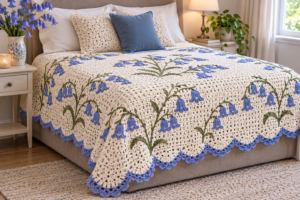
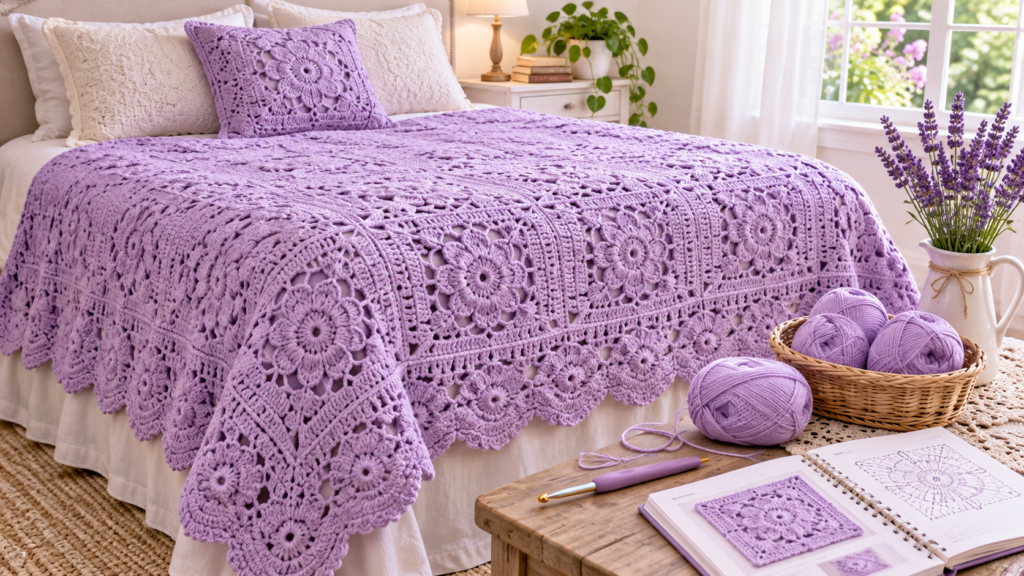
Are you searching for a relaxing and rewarding project? A stunning lavender crochet bedspread pattern might be exactly what you need. This beautiful project combines the calming hues of lavender with the intricate art of crochet, creating a cozy and elegant addition to any bedroom. Imagine wrapping yourself in a blanket you crafted with your own hands. This guide provides a comprehensive crochet pattern to help you create a gorgeous bedspread.
Our goal is to make this project accessible for everyone. This free pattern details each step clearly. You will learn various stitches, including the fundamental single crochet and the versatile double crochet. Furthermore, the pattern incorporates the elegant front post double crochet, adding beautiful texture and depth to your work. All instructions use standard US crochet terms, ensuring clarity and ease of understanding. This digital pattern allows you to begin your crafting journey immediately.
Creating a crochet bedspread is more than just a craft; it is a journey of creativity and mindfulness. The rhythmic motion of the hook and yarn can be incredibly therapeutic. This pattern offers a wonderful opportunity to enhance your skills. You will produce a timeless piece for your home. Are you ready to transform your living space with a touch of handmade charm? Let’s begin crocheting your serene lavender bedspread today!
Why a Lavender Crochet Bedspread is Your Next Project
A lavender crochet bedspread is your next project because it offers a perfect blend of aesthetic appeal and crafting satisfaction. This project allows you to create a beautiful piece of home decor that adds a calming touch to any room. Imagine a soft, purple blanket gracing your bed. This project is ideal for both experienced crafters and a beginner looking to expand their skills. The pattern often uses a non-yarn eater crochet stitch, meaning you can achieve a substantial item without excessive material. You can choose from various sizes, from a cozy throw to a full-sized afghan. You can even adapt it into a charming baby blanket. The design frequently incorporates delicate flower motifs or a classic granny square. Furthermore, many patterns come with a convenient PDF download. Some even include a helpful video tutorial to guide you through trickier steps. This ensures a smooth and enjoyable crafting experience from start to finish.
Choosing the Perfect Lavender Crochet Bedspread Pattern
Choosing the perfect lavender bedspread guide involves considering several factors. Do you prefer a detailed written pattern or a visual guide? Many options offer an instant download feature. This allows you to start your project without delay. Consider the aesthetic you want to achieve. A “cottagecore” design often features delicate floral elements. Alternatively, a “boho vintage style” might incorporate more intricate geometric shapes. Some patterns are perfect for a lap afghan, providing comfort without overwhelming your space. Look for guides that clearly explain fundamental stitches like the chain and slip stitch. Furthermore, review the pattern’s details. Does it mention affiliate links or a disclosure policy? This information can be helpful. A “mini cable stitch” can add beautiful texture to your creation. This makes it an ideal “textured baby blanket” for a thoughtful “baby shower gift.”
Essential Materials for Your Lavender Crochet Bedspread
begin your beautiful lavender bedspread, you will need specific materials. These items ensure your project flows smoothly. They also help you achieve a professional finish for your home decoration. First, select your yarn. Consider a soft, durable fiber in various shades of purple. You will also need the appropriate crafting tool for your chosen yarn weight. Furthermore, gather a tapestry needle for weaving in ends. A good pair of scissors is also essential for neat finishing. Don’t forget stitch markers to keep track of your progress. This is especially helpful when working a complex design like a cluster v-stitch. Additionally, some guides offer a “ribblr epattern” which might include a materials list. This is useful for those making a “springtime throw” or even a large “king size bed cover.” Such creations can serve as unique “birthday gifts” or even elements for “wedding bouquets” or “graduation flower bouquets.” Ensure your chosen guide specifies “us & uk terms” for clarity.
Selecting the Best Yarn for Your Bedspread
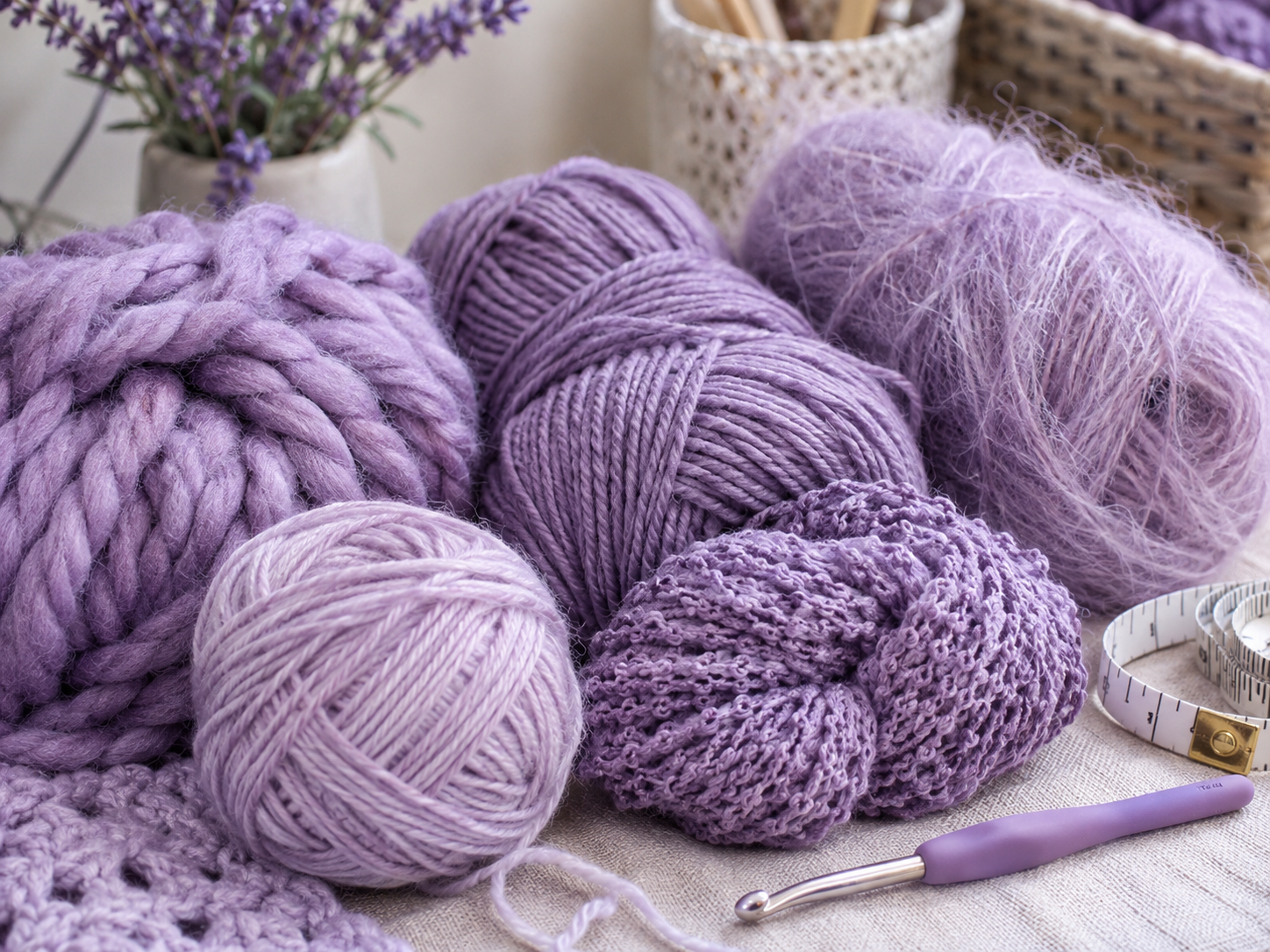
Choosing the right fiber is crucial for your bedspread project. What qualities are most important to you? Consider softness, durability, and how well it drapes. Different fibers offer distinct advantages for your project. Cotton is a popular choice for its breathability and strength. It creates a beautiful, defined fabric. Alternatively, acrylic fibers provide excellent softness and are often more budget-friendly. Blends can combine the best features of both, offering a balance of comfort and resilience. Think about the weight of the strand. A lighter weight creates a delicate, airy fabric. A heavier weight results in a cozier, more substantial covering. Always check the project’s recommended gauge to ensure a consistent finish. This helps achieve the desired look and feel for your creation.
| Fiber Type | Key Characteristics | Best For |
|---|---|---|
| Cotton | Breathable, durable, good drape | Structured designs, year-round use |
| Acrylic | Soft, affordable, wide color range | Cozy items, easy care |
| Blends | Combines benefits, versatile | Balanced projects, varied textures |
Crochet Hooks and Notions You’ll Need
What tools are essential for your lavender bedspread project? You will need specific implements and accessories to ensure a smooth crafting experience. These items help you create a beautiful and professional finish. The primary implement is crucial. Choose one that matches your selected fiber weight. This ensures your fabric has the correct density and drape. Furthermore, gather a blunt-tipped needle for weaving in any loose ends. A sharp cutting tool is also necessary for neat finishing. Do not forget small clips or pins to mark your progress. This is especially helpful for intricate designs or large sections. Consider a small gauge for delicate work. Alternatively, a larger gauge suits a chunky design.
Mastering the Stitches: Techniques for Your Lavender Design
What methods will help you create your lavender crochet bedspread design? Mastering fundamental techniques is key to a stunning finished piece. Focus on consistent tension and accurate counting. These elements are vital for any successful large-scale project. Start by practicing basic movements until they feel natural. The single formation and the double formation are foundational. Furthermore, explore variations like the half-double or treble formations. These add different heights and textures. Consider incorporating decorative elements. Shell formations or popcorn formations can introduce beautiful accents. For a truly unique touch, try a ripple or wave effect. This creates visual interest across your expansive fabric. Consistent repetition leads to a polished, professional outcome.
Basic Stitches: SC, DC, and Beyond
What are the fundamental movements for your lavender bedspread? You will primarily use the single craft and the double craft. The single craft creates a dense, firm fabric. It is ideal for a sturdy foundation. The double craft produces a taller, more open fabric. This adds drape and softness. Beyond these, explore the half-double craft. This technique sits between the single and double in height. It offers a nice balance of density and flexibility. The treble craft is even taller, yielding a very open and airy result. Incorporating these varied formations will add depth and visual interest to your design. Practice each one until your tension is even. This consistency ensures a beautiful, uniform finish for your lavender piece.
Specialty Stitches for Lavender Motifs
Do you want to add unique visual elements to your floral-themed bedspread? Specialty movements can transform your project into a work of art. These techniques create intricate details that mimic the natural beauty of flowering plants. Consider the shell formation for a delicate, petal-like effect. This technique uses multiple tall formations into one base space, fanning out gracefully. The popcorn formation adds a raised, spherical texture. It creates small, distinct bumps that resemble flower buds. Furthermore, the picot edge provides a decorative border. This tiny loop adds a refined finish to your expansive fabric. Explore tutorials for these advanced movements. You can find many helpful guides, such as this floral square bedspread video. These special additions make your piece truly unique.
Step-by-Step Guide to Crocheting Your Lavender Bedspread
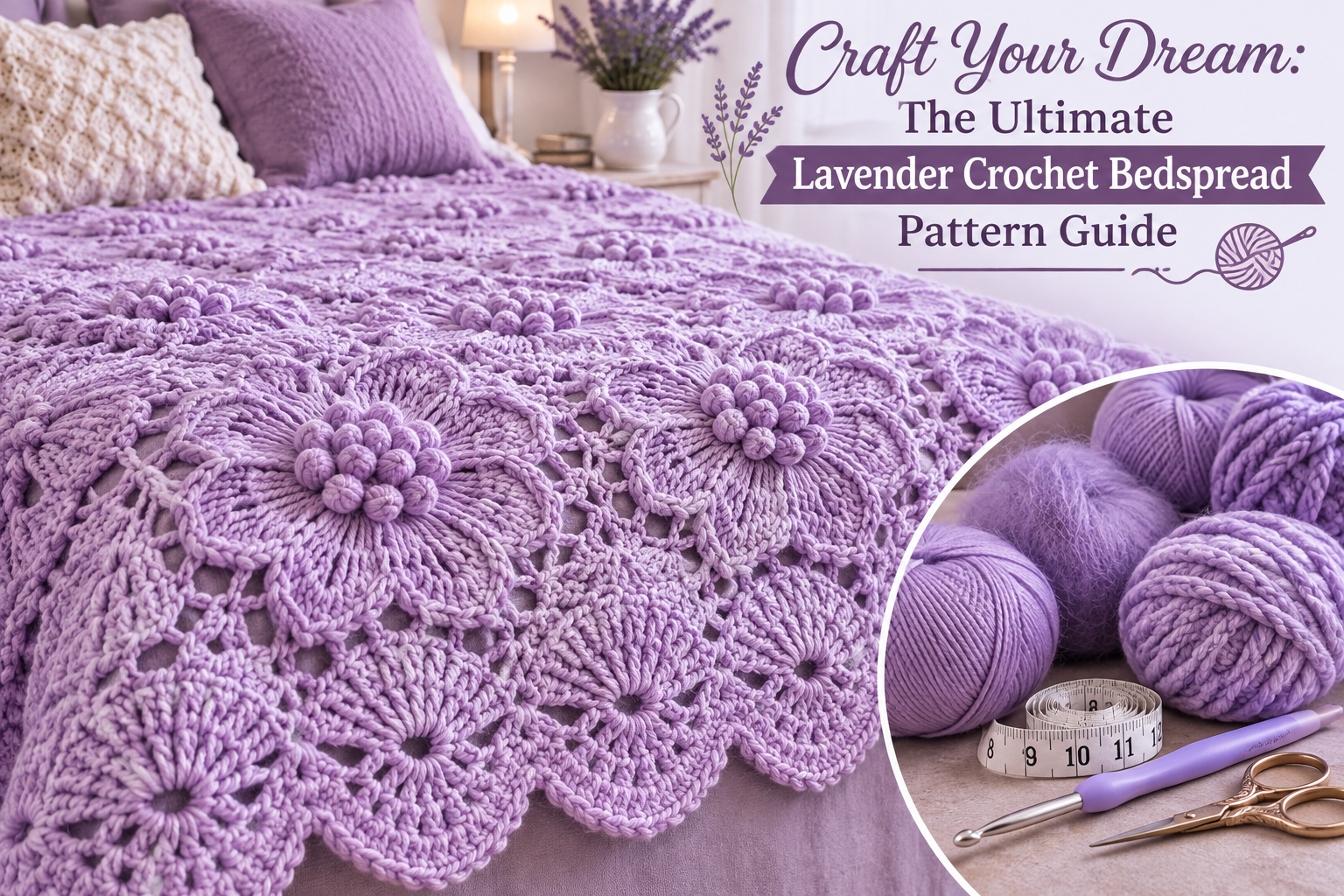
Creating your beautiful floral bed covering involves several key stages, from gathering supplies to the final touches. Each step builds upon the last, ensuring a cohesive and stunning finished item. Following these instructions carefully will help you achieve a professional-looking result. This guide simplifies the process for crafters of all skill levels.
-
Step 1: Gather Your Materials. Select a soft, high-quality fiber in your preferred shade of violet. Ensure you have the appropriate crafting tool for your chosen fiber weight. You will also need a measuring tape and a pair of shears.
-
Step 2: Create a Gauge Swatch. Before beginning, work a small square (e.g., 4×4 inches) using your selected formation. Measure this swatch accurately. This step confirms your tension matches the design’s requirements, preventing size discrepancies.
-
Step 3: Begin the Foundation. Initiate your project with the required number of foundation loops. This forms the base width of your bed covering. Count carefully to avoid errors early on.
-
Step 4: Work the Body of the Piece. Follow the design’s specific instructions for the main body. This will likely involve repeating rows or rounds of various formations. Maintain consistent tension throughout. Consider adding a personal touch with a crochet sweater keychain to your crafting bag.
-
Step 5: Incorporate Motifs (Optional). If your design includes floral elements or other embellishments, integrate them as specified. This might involve changing colors or using specialty movements. You can find inspiration for intricate designs from resources like online crafting communities.
-
Step 6: Add the Border. Once the main body is complete, work a decorative edge around the perimeter. This provides a neat, finished appearance. A simple single formation border or a more elaborate shell formation works well.
-
Step 7: Finish and Block. Secure all loose ends by weaving them into the fabric. Finally, block your bed covering. This process shapes and sets the fibers, enhancing the overall drape and appearance.
Assembly and Finishing Touches
Assembling and adding the final details ensures your floral bed covering is beautiful and durable. This stage brings together all your hard work into a cohesive piece. You will connect any separate sections and refine the edges for a polished look. First, join individual squares or panels if your design uses them. Use an invisible seam technique for a seamless appearance. Weave in all remaining loose fiber ends securely. This prevents unraveling and maintains the item’s neatness. Next, consider adding an elegant border around the entire piece. This frames the bedspread beautifully. For inspiration on various edging styles, explore resources like this video on a floral square bedspread. Lastly, block your finished item. This process helps to even out the dimensions and enhances the drape of the fabric. It is a crucial step for a professional finish.
Care and Maintenance for Your Handmade Bedspread
Proper care ensures your handmade bedspread remains beautiful and lasts for years. Following simple guidelines will preserve its color and structure. This prevents damage and keeps your creation looking fresh. Always check the fiber content of your material first. This dictates the best cleaning method. Generally, handwashing is safest for delicate items. Alternatively, use a gentle cycle with cold water in a machine. Place the item in a mesh laundry bag for added protection. Use a mild cleaning agent, avoiding harsh chemicals. Rinse thoroughly until the water runs clear. Gently squeeze out excess moisture. Do not wring or twist the fabric, as this can distort its shape. Lay the item flat on a clean towel or drying rack to air dry. Avoid direct sunlight, which can fade colors. When storing, fold neatly and keep in a cool, dry place. This prevents dust and damage.
FAQs About Lavender Crochet Bedspread Patterns
How do I make a floral bed covering?
You can create a beautiful floral bed covering by following a detailed guide. Start by selecting your preferred design and gathering materials like fiber and a suitable tool. The process typically involves making individual motifs or working in rows, then joining the pieces together. Many tutorials offer step-by-step instructions to help you through the process.
What fiber is best for a floral bed covering?
For a floral bed covering, natural fibers like cotton or a cotton blend are often the best choice. They are breathable, soft, and durable. Furthermore, these materials hold their shape well and are easy to care for. Consider organic cotton for an even softer feel and eco-friendly option.
Where can I find a free floral bed covering design?
Many online resources offer complimentary designs for floral bed coverings. Websites like Ravelry and Pinterest are excellent starting points. You might also find free video tutorials on YouTube, such as this purple floral square bedspread tutorial. Alternatively, some crafting blogs provide free downloadable instructions for various projects.
How much fiber do I need for a queen size floral bed covering?
The amount of fiber needed for a queen-size floral bed covering varies significantly. It depends on the specific design and the type of fiber used. Generally, you will need between 3,000 and 5,000 yards of medium-weight fiber. Always check the specific design instructions for an accurate estimate. For example, a square motif design might require less fiber than a dense shell design. You can find more information on calculating fiber needs through resources like Google’s crafting guides.
Can I adapt a floral baby covering design for a bed covering?
Yes, you can adapt a floral baby covering design for a larger bed covering. You will need to increase the number of motifs or expand the overall dimensions of the design. This often involves repeating sections or adding extra border rows. Resources like Google Search or various crafting forums can provide guidance on scaling up designs. Consider practicing with a smaller swatch first.